Short answer
Published figures put rodent proofing in San Jose at roughly $300 to $800 or more depending on how many entry points need closing. The number moves with the count of openings, roof access and whether chewed material needs rebuilding before mesh can be anchored, and it is quoted after a documented inspection.
This is one of the few pest services where a published local range exists, so it is worth stating plainly and then explaining what sits inside it.
Published San Jose planning figures
- Rodent proofing and exclusion: roughly $300 to $800 or more, by entry point count
- That is a market range from public sources, not a quote
- Trapping programs are priced separately, since they are a different scope
- Attic cleanup after an established infestation is separate again
What actually moves the number
- Number of openings. The inspection count is the single biggest factor. Four penetrations and a door sweep is a different job from a full roofline.
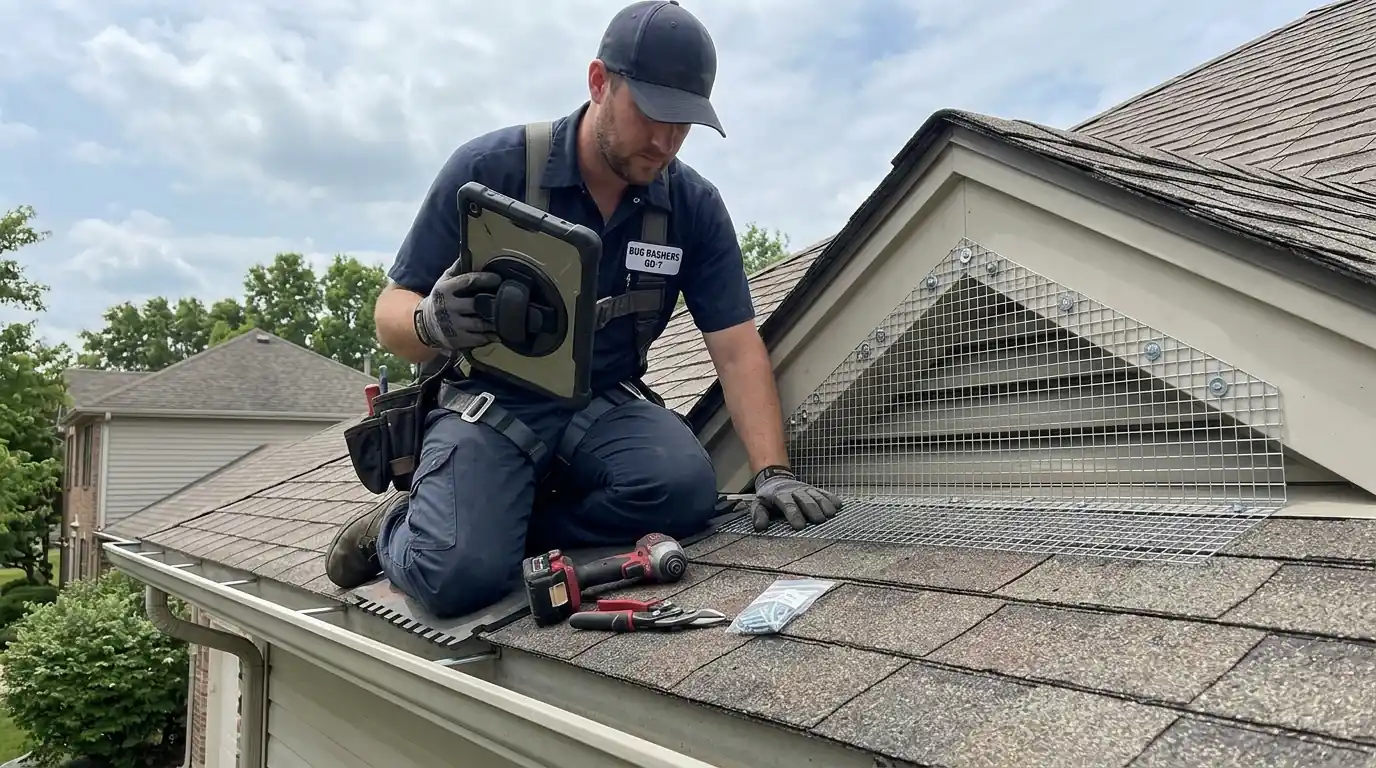
- Roof access. Two stories, steep pitches and tile roofs slow every part of the work.
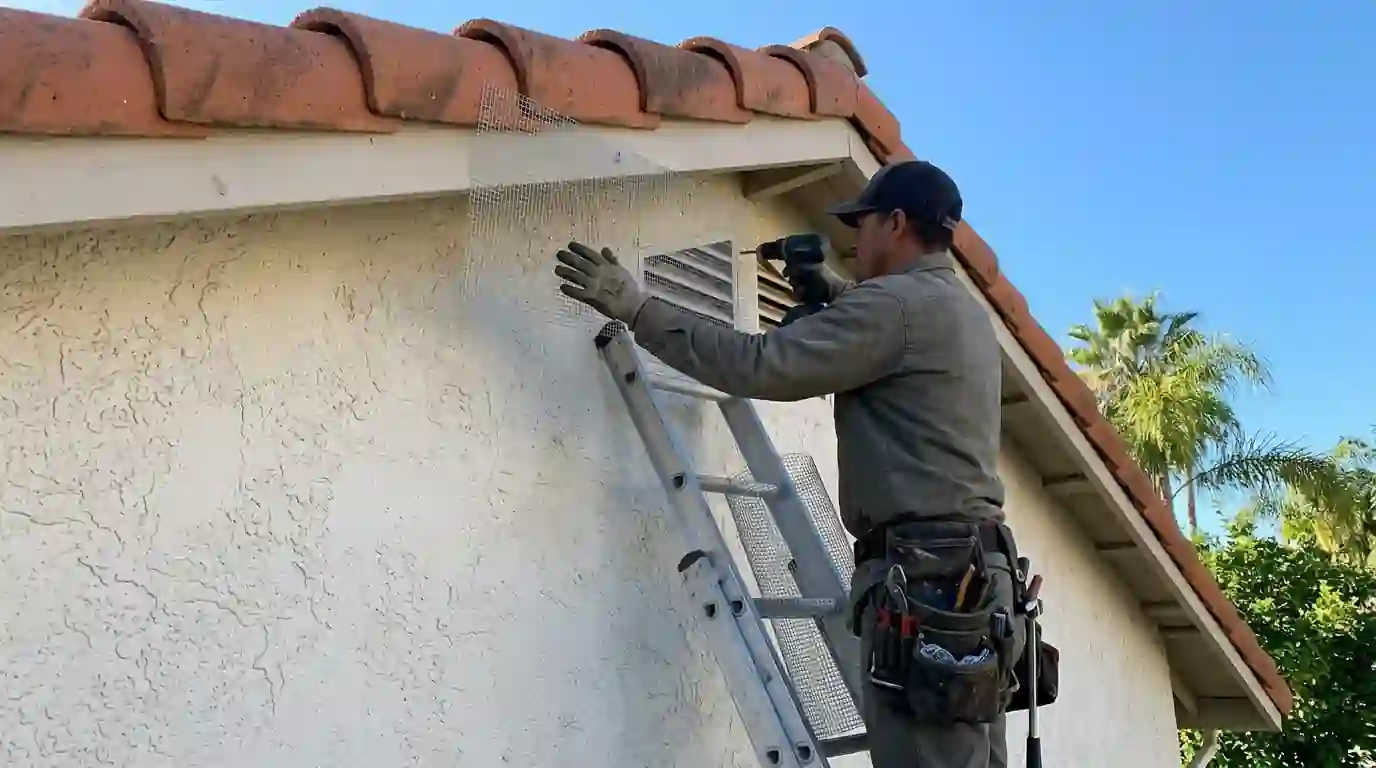
- Vent condition. Replacing rusted or chewed screens costs more than screening sound ones.
- Construction type. Raised foundations add crawl space vents and skirting that slab homes do not have.
- Damage repair. Chewed fascia or soffit sometimes has to be rebuilt before mesh can be anchored to anything.
- Garage work. Sweeps, thresholds and jamb gaps are separate items from the structure.
Why the inspection comes first
Nobody can price this from a phone call, because the whole job is the openings and you cannot count them from a description. A proper quote follows a walk of the roofline, eaves, vents, penetrations, foundation and garage, with each opening logged and photographed.
That photo record is worth asking for. It tells you what was found, what got closed and where, which matters a year later when a roof repair or a remodel opens something new.
Trapping and sealing are two purchases
It helps to see them as separate line items with separate jobs. Trapping removes the population that is already inside and produces a count, which is how you know when it is actually over. Sealing closes the building so the yard cannot refill it.
Buying only the first is the common mistake, and it is the reason people describe rodent problems as recurring. The yard always holds more rats than the attic does, so trapping alone is a maintenance subscription rather than a solution.
The arithmetic against not doing it
Compare the exclusion number against what follows an unsealed winter. Trapping repeated each season, attic insulation soiled and compressed enough to need replacing, chewed wiring, and the cleanup that goes with an established infestation. Any one of those typically costs more than the sealing would have.
The local conditions make it worse here than in colder regions. The roof rat is by far the most abundant rodent pest in Santa Clara County, and mild winters mean no seasonal die-back, so an open eave gap is a standing invitation rather than a seasonal risk.
Where the money usually goes
On a typical single-family home, the bulk of the labor is at the roofline and in the crawl space, not at the obvious hole somebody noticed. Eave and fascia junctions, vent screens that failed years ago and the gap where two roof planes meet all take time to reach and fasten properly, and those are the entries that actually carry traffic.
The cheap items are the ones homeowners can see: a garage door sweep, a pipe penetration under the sink, a threshold. They are worth doing and they rarely explain the whole problem, which is why a quote built only from what you pointed at tends to be the one that does not hold.
What a fair quote looks like
- A written count of openings with locations, not a lump sum with no detail
- Materials named: galvanized mesh, hardware cloth, sheet metal, rodent-rated sealant, never foam alone
- Ventilation preserved rather than blocked, stated explicitly
- Photos of each closure on completion
- Trapping, cleanup and repairs itemized separately rather than bundled into one vague figure
If a quote has none of that, the price is hard to judge against anything. If it has all of it, you can compare it properly, including against another company.