Roof rats
Dense blocks and shared fence lines let them work whole streets at a time.
Coverage
East Bay work has its own character: denser housing, a lot of pre-war stock, and rodent pressure that moves between attached and near-attached buildings.
Local focus
Short answer
Pest control in Alameda County runs on the same catalog we use across the Bay Area, with the emphasis set by what this area actually produces: roof rats, German cockroaches and the conditions behind them. Phones are answered around the clock and crews route out from the San Jose service office.
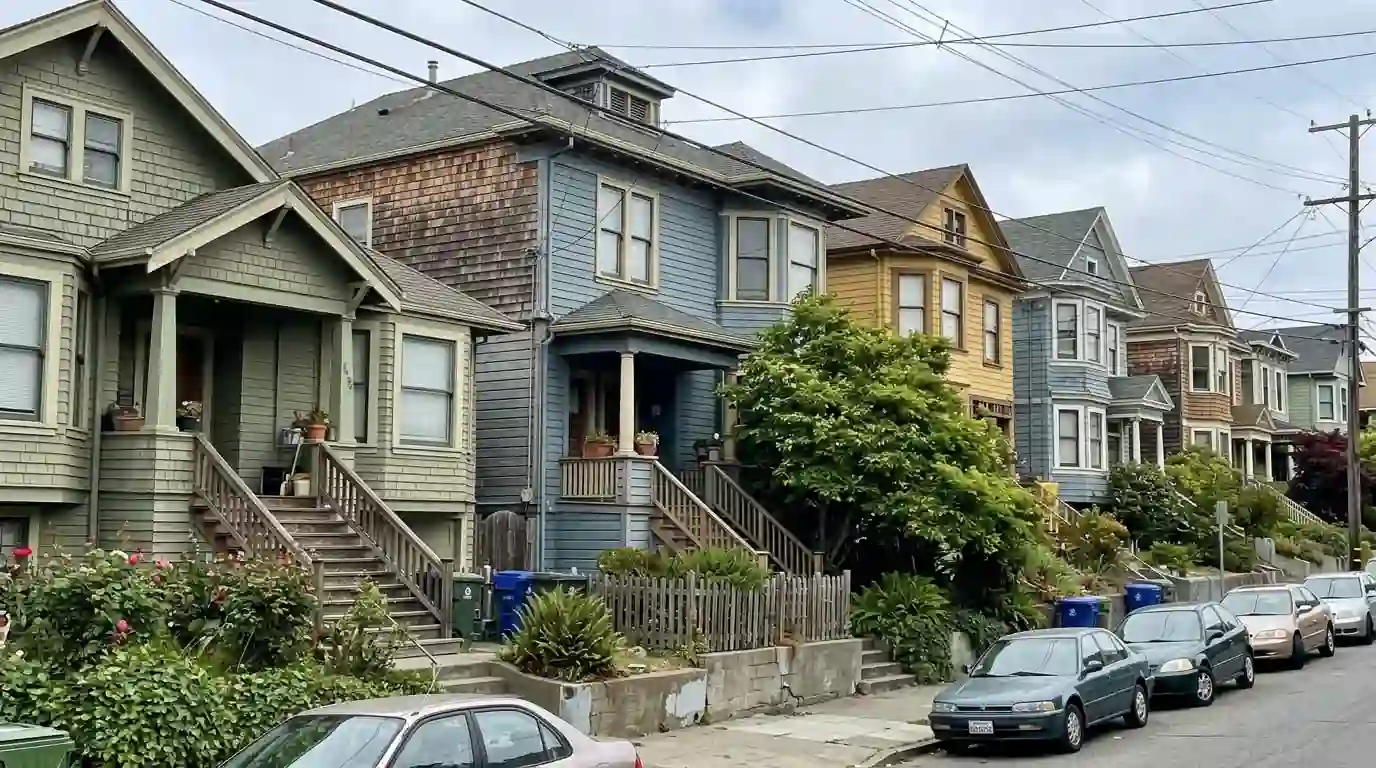
Alameda County's older neighborhoods are rodent country. Closely spaced homes, shared fence lines, mature street trees and a lot of original framing mean roof rats can work an entire block without crossing open ground, and a sealed house next to an open one stays sealed only if the sealing is thorough.
The multi-unit share here is also higher than in the South Bay suburbs, which changes how roach and bed bug work has to run. Treating one unit while neighbors stay untreated resets the clock, so building-level coordination matters more here than almost anywhere else we work.
What we see here
Dense blocks and shared fence lines let them work whole streets at a time.
Multi-unit housing keeps reseeding pressure between units.
Apartment and rental density makes coordinated treatment the only version that holds.
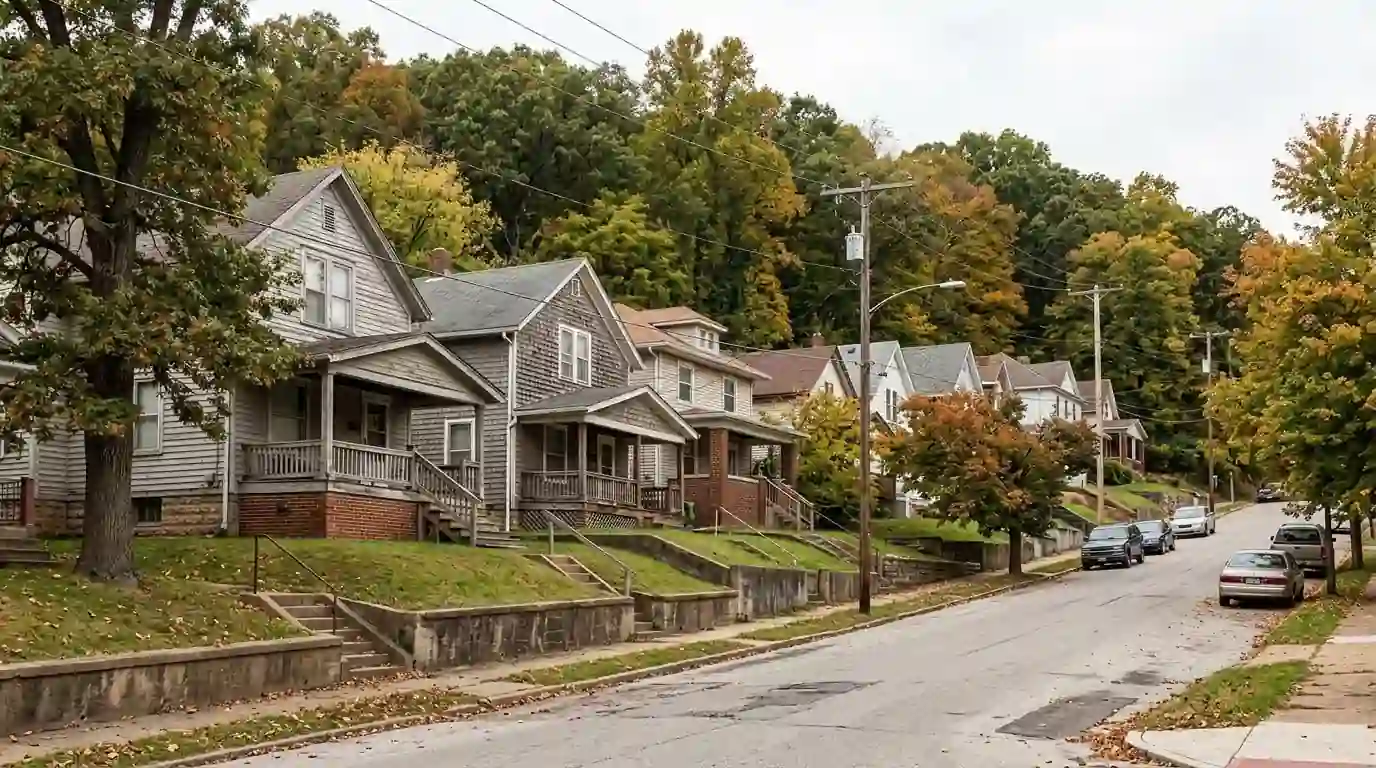
Pre-war framing sitting close to soil in the older neighborhoods.
On the ground
Crews run out of the San Jose service office, and routing is built around the day rather than a fixed territory, so a wasp nest or a biting-pest call gets moved up regardless of which part of the coverage area it sits in. Inspections and scheduled service book within a few days.
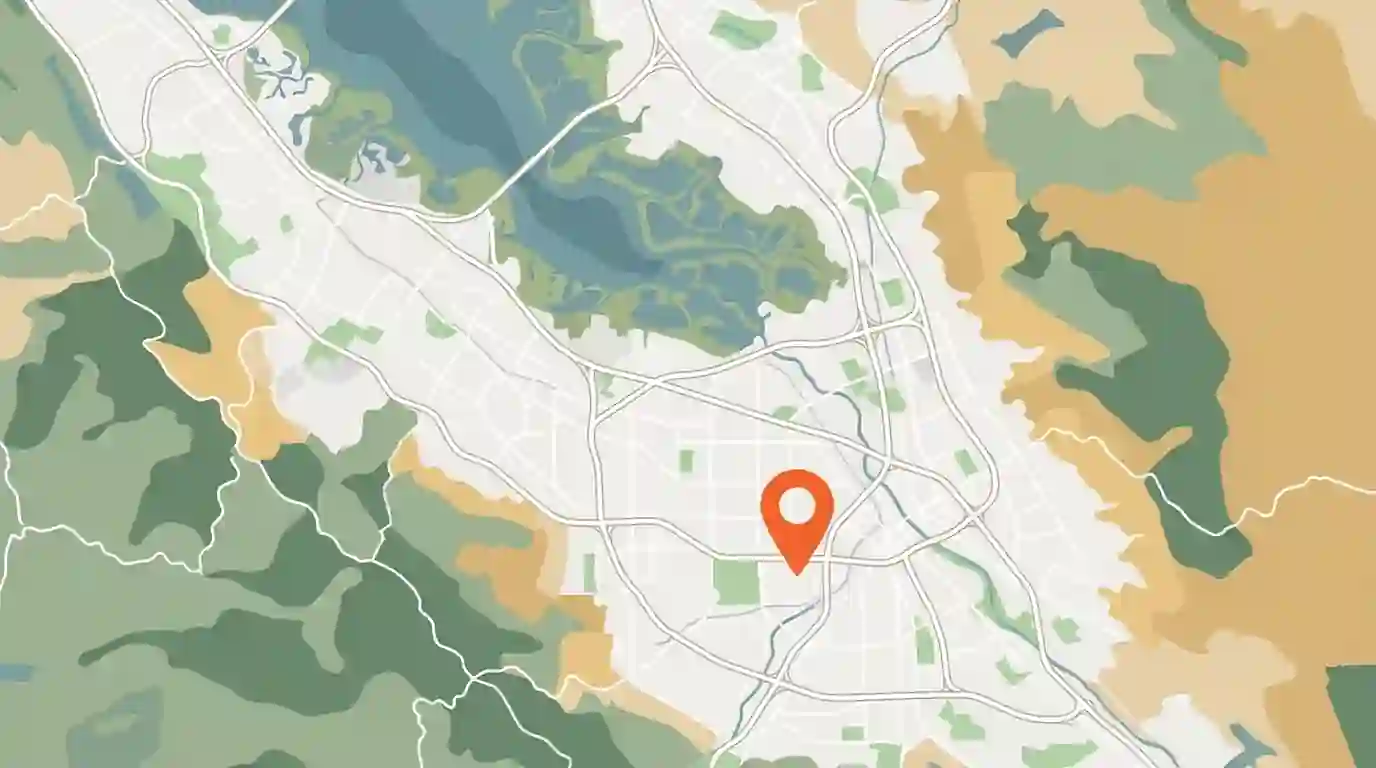
Coverage here takes in Fremont, Union City, Newark, Hayward, Castro Valley and the older neighborhoods north of them. If you are just outside what is listed, call anyway and we will tell you plainly whether we can route to you rather than taking a booking we cannot keep.
Local detail
In dense East Bay neighborhoods, the boundary of a pest problem rarely matches the boundary of a property. Roof rats travel shared fence lines, roaches move through party walls and plumbing chases, and a cleared attic next to an untreated one simply gets reoccupied.
We handle that by inspecting wider than the complaint on multi-unit and closely spaced work, and by telling you plainly when the honest fix involves a conversation with a neighbor or a property manager rather than another treatment on your side of the wall.
The East Bay's density is the local variable that matters. Closely spaced older homes let roof rats work a block without crossing open ground, and multi-unit buildings move roaches and bed bugs between units through shared walls and plumbing chases. Both mean the honest fix is often wider than the one address that called, which is why inspections here routinely take in the neighbors before anyone quotes a treatment plan for your unit alone.
Straight answers
Yes, and in this county that is a large share of the work. Adjoining unit inspection is standard rather than an upsell, because that is where the source usually sits.
Yes. Scheduling around notice periods and access windows, with per-unit documentation, is how portfolio work runs.
Dense blocks and shared fence lines let roof rats work whole streets. Sealing your house still helps, but the pressure outside it does not drop just because your attic is clear.
Almost always. On closely spaced housing the exterior perimeter and the roofline are where the recurring problem actually lives.
One number, answered around the clock, and a written note on what was found.
Call (669) 369-0489 any hourWhere to find us