Short answer
Bat exclusion in San Jose means fitting one-way devices at the exit points so bats can leave and cannot get back in, then sealing every remaining gap. Bats are protected and the timing must avoid the maternity season, when flightless pups would be trapped inside. No trapping, no poison, no sealing a roost shut with animals in it.
A bat colony in a roof space is a construction problem and a wildlife problem at once. The animals get in through gaps most people would not call openings: a half-inch gap at a ridge, a lifted tile, a gable vent screen that failed, the junction where two roof planes meet. They do no chewing or gnawing, so the way in was already there.
Everything about the method follows from the protections. Bats are beneficial and legally protected, so exclusion is the only approach: one-way devices let the colony leave on its normal evening flight and prevent re-entry, and once the roost is empty the gaps get sealed. Timing is the part people get wrong, because excluding during pup season traps flightless young inside a wall where they die.
What bat work costs depends on
Exclusion is priced by the roofline, not by the number of bats, because sealing the structure is where the labor sits.
| What moves the price | How it moves it |
|---|---|
| Number of exit points | Each active exit needs its own device, monitoring and later sealing. |
| Roofline complexity | Multiple planes, dormers, tile roofs and tall elevations all add access time. |
| Sealing scope | Every gap gets closed, not just the used ones, which is most of the work. |
| Access equipment | Two-story and steep roofs need ladders, staging or lift access. |
| Timing constraints | Work scheduled around the maternity season affects when it can start. |
| Guano cleanup | Accumulated guano in an attic is scoped and quoted as separate remediation. |
The quote follows the dusk survey, because until the exits are counted nobody can price the job honestly.
One-way valve evictions
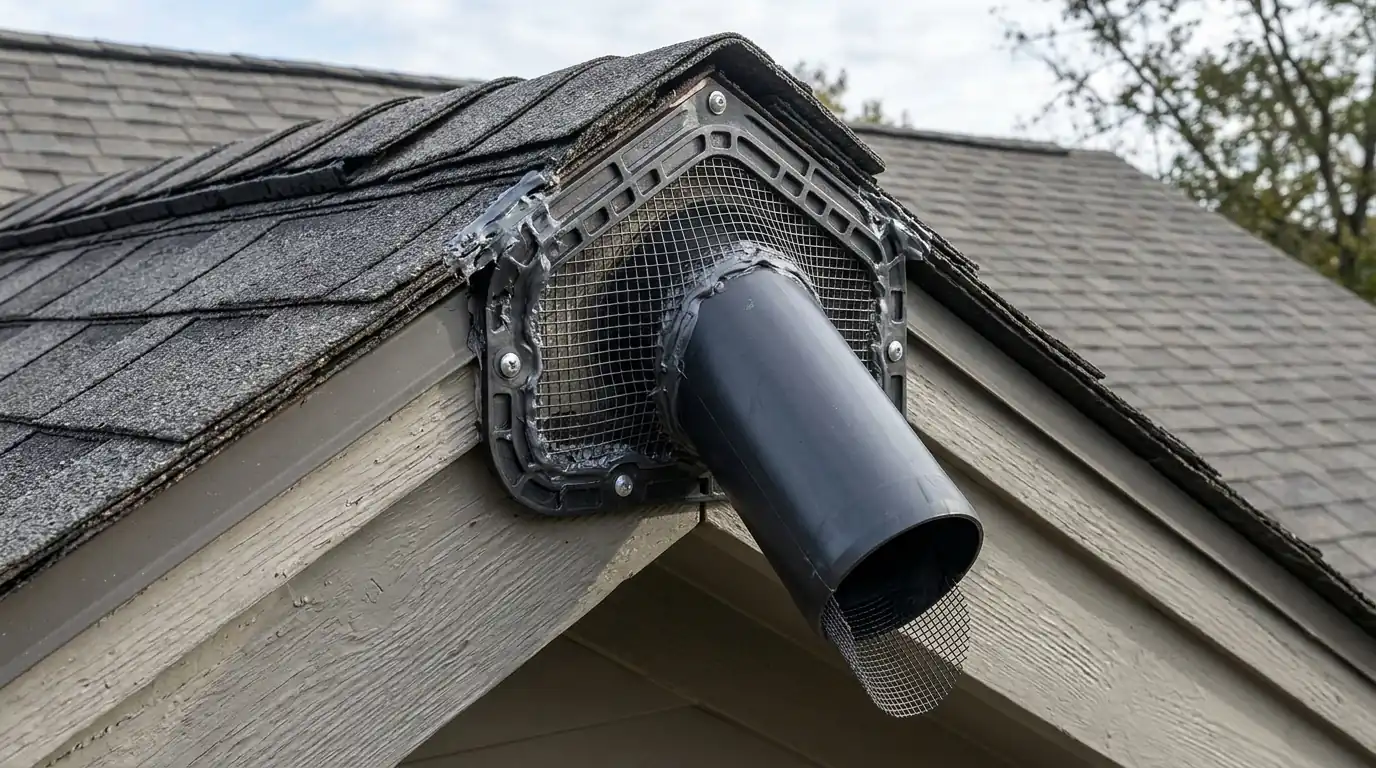
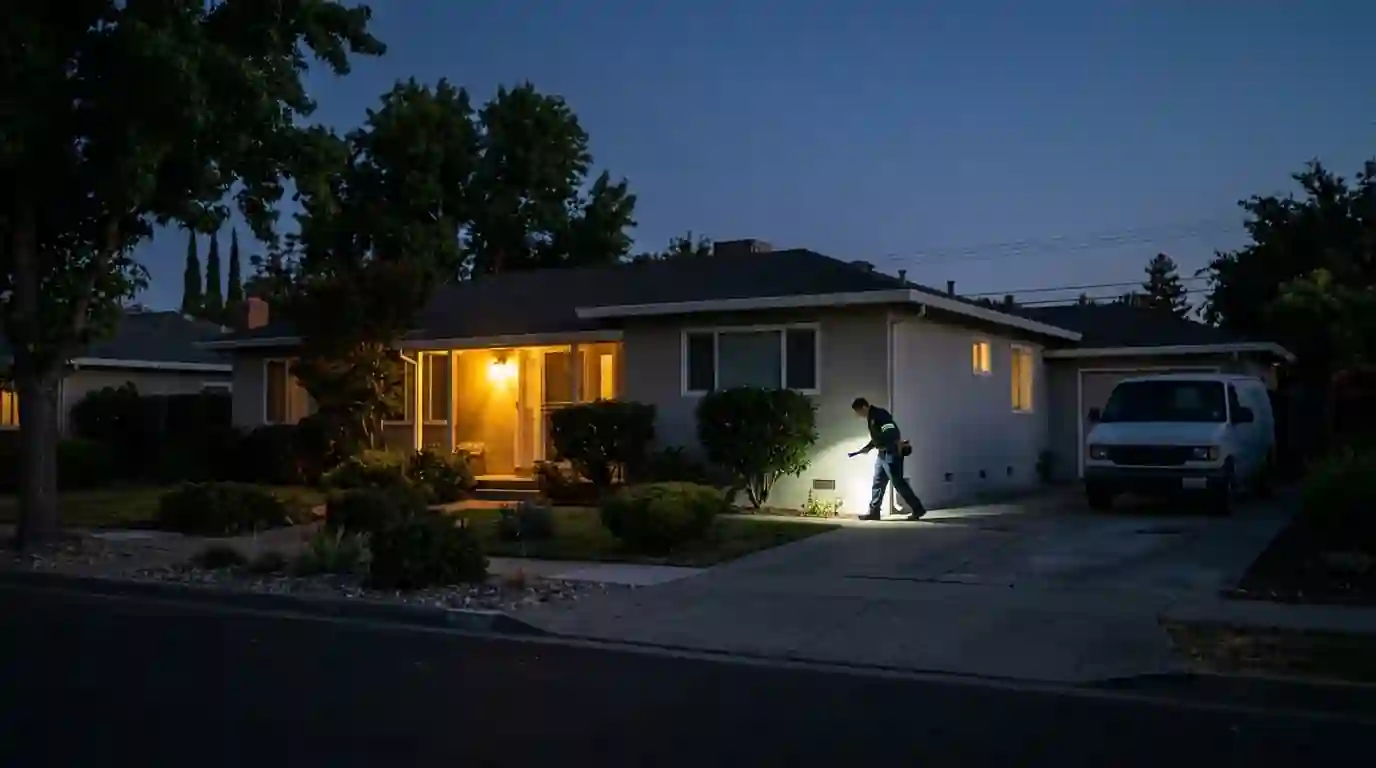
Exclusion devices go over the active exits, shaped so a bat can drop out and fly but cannot climb back in. The colony leaves on its normal evening flight over several nights and simply ends up roosting elsewhere. Finding every exit is the difficult part, which is why the survey happens at dusk with someone watching the roofline while the colony emerges; a missed exit becomes the new main entrance and the whole job fails. Devices stay up long enough to be sure the space is empty.
Re-entry sealing
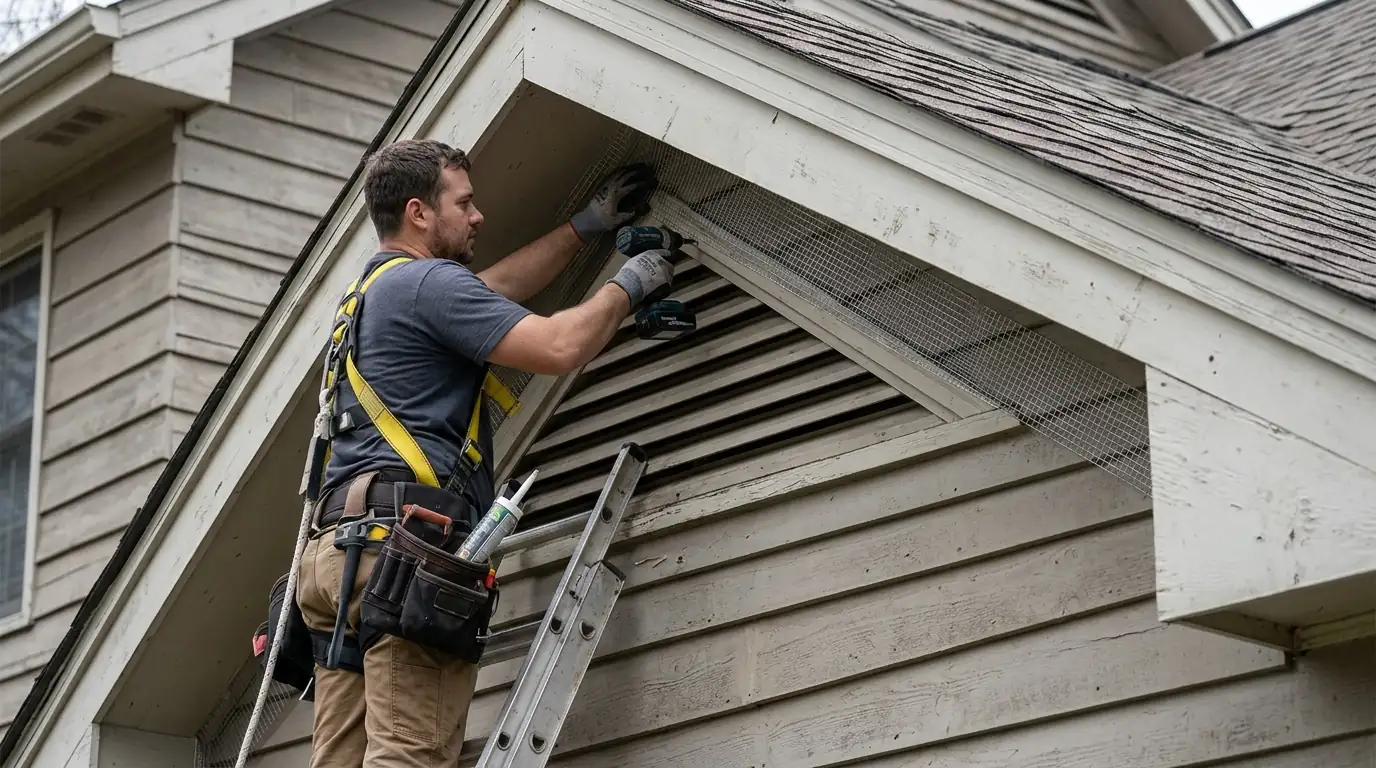
Once the roost is confirmed empty, every gap gets closed, not just the ones in use. Bats need remarkably little space, so sealing works at a level most roofing repairs do not bother with: ridge gaps, tile lifts, fascia junctions, gable vent screens, utility penetrations and the joints where dormers meet the main roof. Materials are chosen to hold against weather and movement, because a seal that opens again in two winters hands the colony its roost back.
What a bat job covers
The sequence matters more here than on almost any other wildlife job, because doing it out of order is both illegal and inhumane.
- Dusk emergence survey to count the colony and find every exit point
- Species and timing assessment against the maternity season
- Full roofline inspection for gaps not currently in use
- One-way exclusion devices fitted at active exits only
- Monitoring period to confirm the roost is empty
- Removal of devices and sealing of all gaps, used and unused
- Guano assessment, with cleanup scoped separately where needed
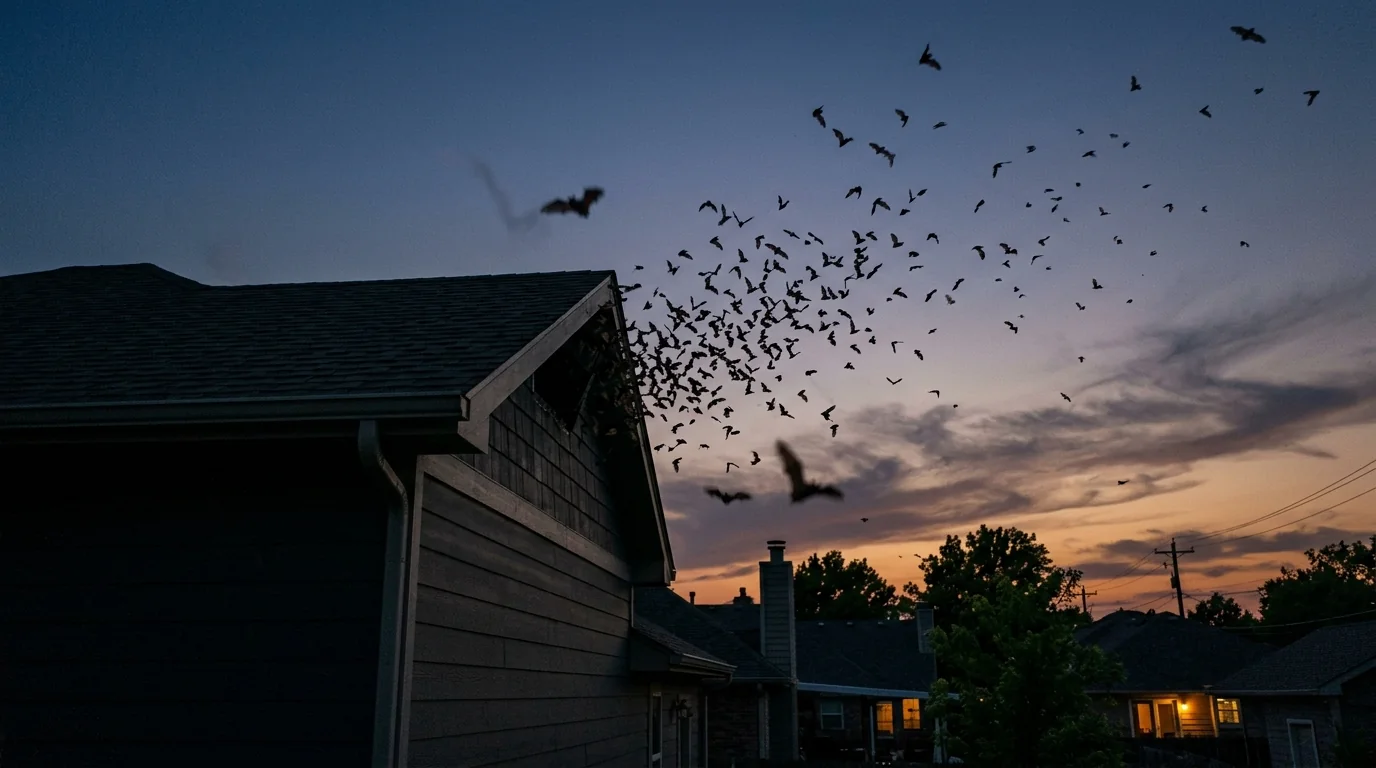
How a bat exclusion is sequenced
Dusk survey
We watch the emergence to count the colony and identify every exit being used.
Check the timing
Work is scheduled to avoid the maternity season when pups cannot fly.
Fit the devices
One-way exclusion devices go over the active exits, leaving all other gaps closed.
Confirm empty
A monitoring period and a second dusk watch verify no bats remain inside.
Seal everything
Devices come off and every gap gets closed so the roost cannot reopen.
What we see around San Jose
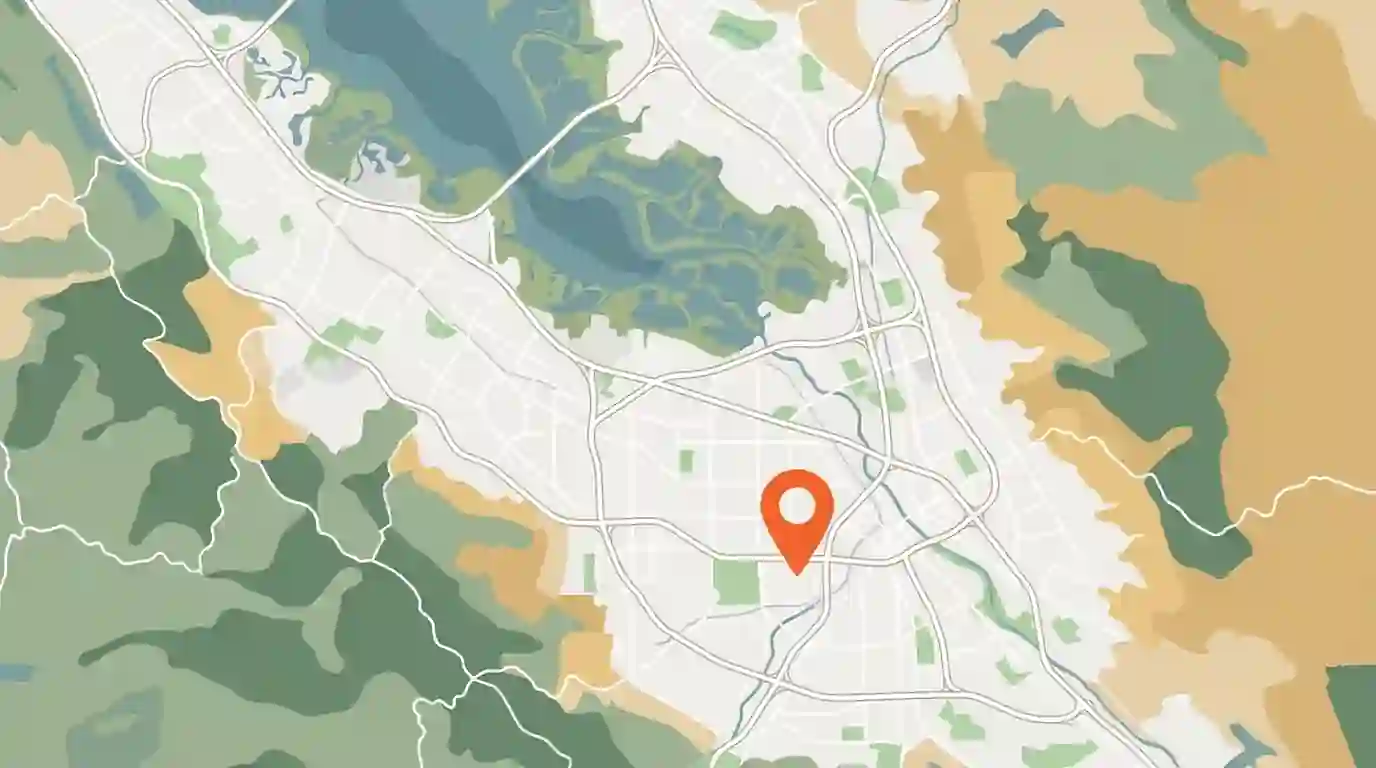
Bat calls in San Jose cluster in older homes and in houses near creek corridors and open space, where the insect supply is strongest and the architecture offers tile roofs, gable vents and ridge gaps worth roosting in. The same rooflines that let bats in are usually the ones letting roof rats in too, which is why the survey tends to turn up a second problem, and why the sealing work at the end pays for itself twice over.
Worth reading alongside this: what rodent proofing costs here.