Short answer
Rat problems in San Jose are a roof rat story: the county's most abundant rodent pest climbs fences, trees and utility lines into attics and travels the rooflines at night. Ending it takes trapping the population that's inside, sealing the entries they use, and a follow-up schedule that proves the attic reads zero before anyone calls it done.
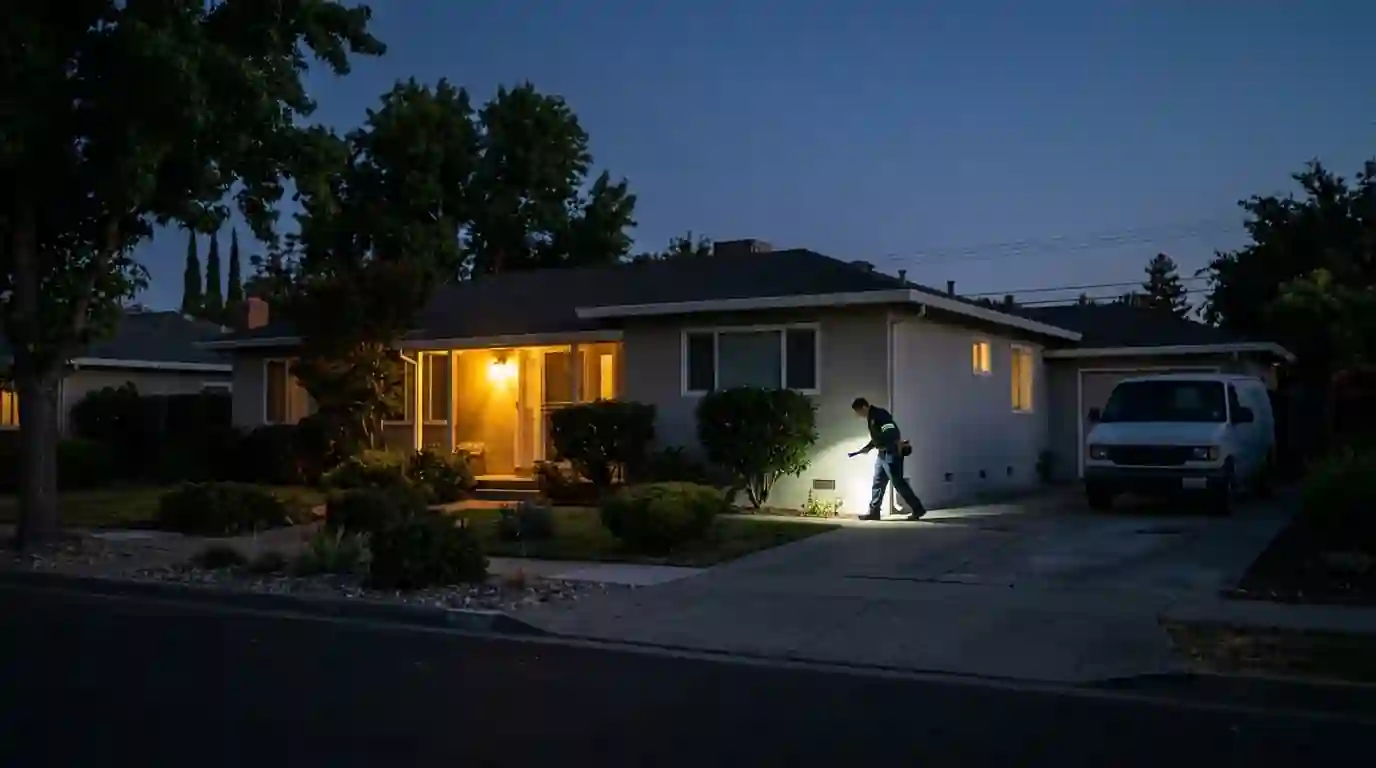
The scratching-at-night pattern is diagnostic by itself. Roof rats are climbers that nest overhead and commute at dusk along fences and cables you can watch them use; Norway rats burrow at ground level under slabs and sheds. Droppings, travel height and gnaw marks tell us which program your house needs.
Trapping alone is a treadmill, because the yard always holds more rats than the attic does. The jobs that stay fixed pair the knockdown with sealing the entries, and the worst infestations finish with a proper cleanup so the scent trail stops recruiting.
Signs the attic already has tenants
Night scratching overhead
Movement across the ceiling in the first hours after dark is the classic commute.
Spindle-shaped droppings
Half-inch pointed pellets along garage walls or on the water heater platform.
Gnawed citrus on the tree
Hollowed oranges and lemons still hanging are a roof rat signature in this valley.
Grease rub marks
Dark smudges where rafters meet eave vents trace the exact entry in use.
Pets staring at the ceiling
A dog or cat tracking sounds across one ceiling line has mapped the runway for you.
A pet door that smells wrong
Musky odor at openings rats pass through nightly builds up fast.
What the program looks like
Inspection
Attic, crawl space, rooflines and the yard's travel routes get read together in one visit.
Species call
Roof rat or Norway decides trap placement height and the sealing priorities.
Trapping program
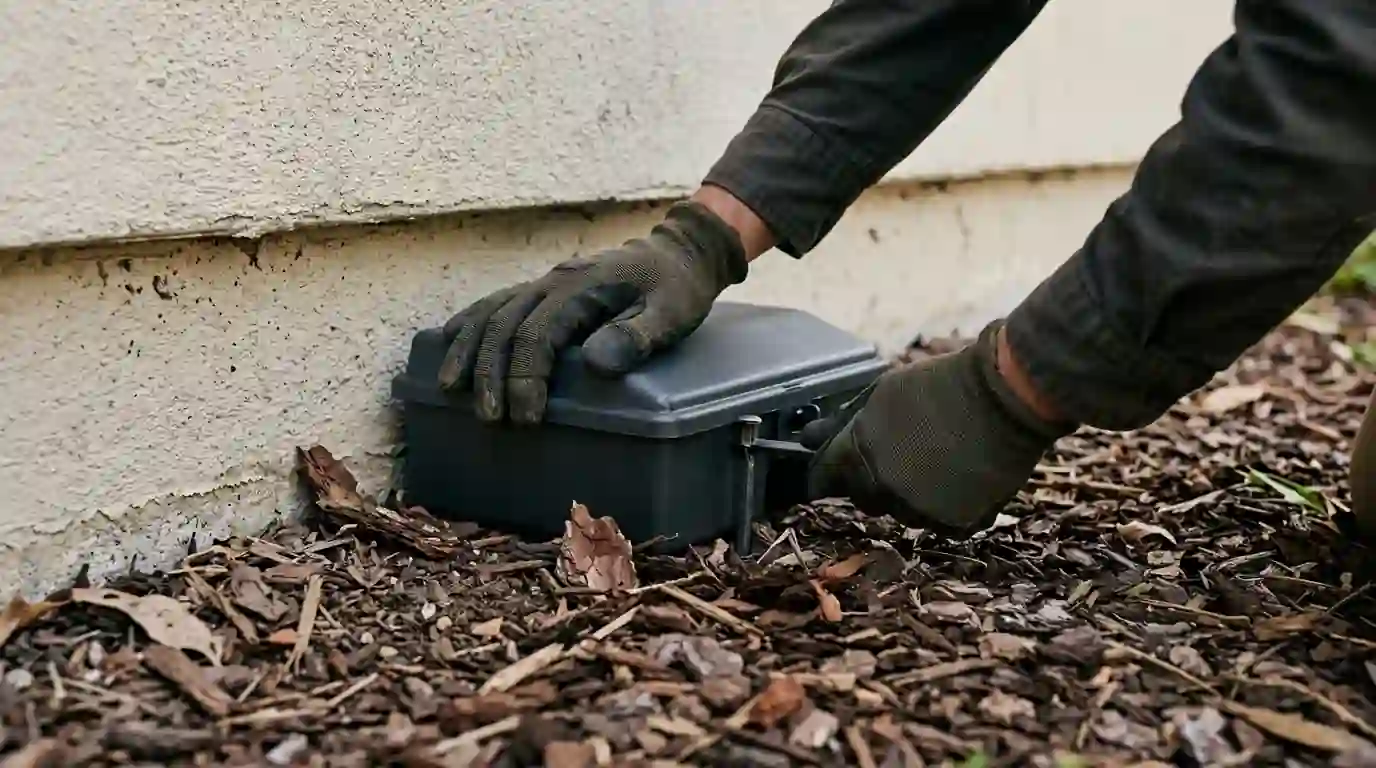
Secured trap sets go on the runways and get serviced on a tight schedule.
Sealing
Eave gaps, vent screens, pipe penetrations and door sweeps close with gnaw-proof materials.
Verification
Two clean checks in a row end the program; heavy jobs get the cleanup conversation.
Roof rat trapping
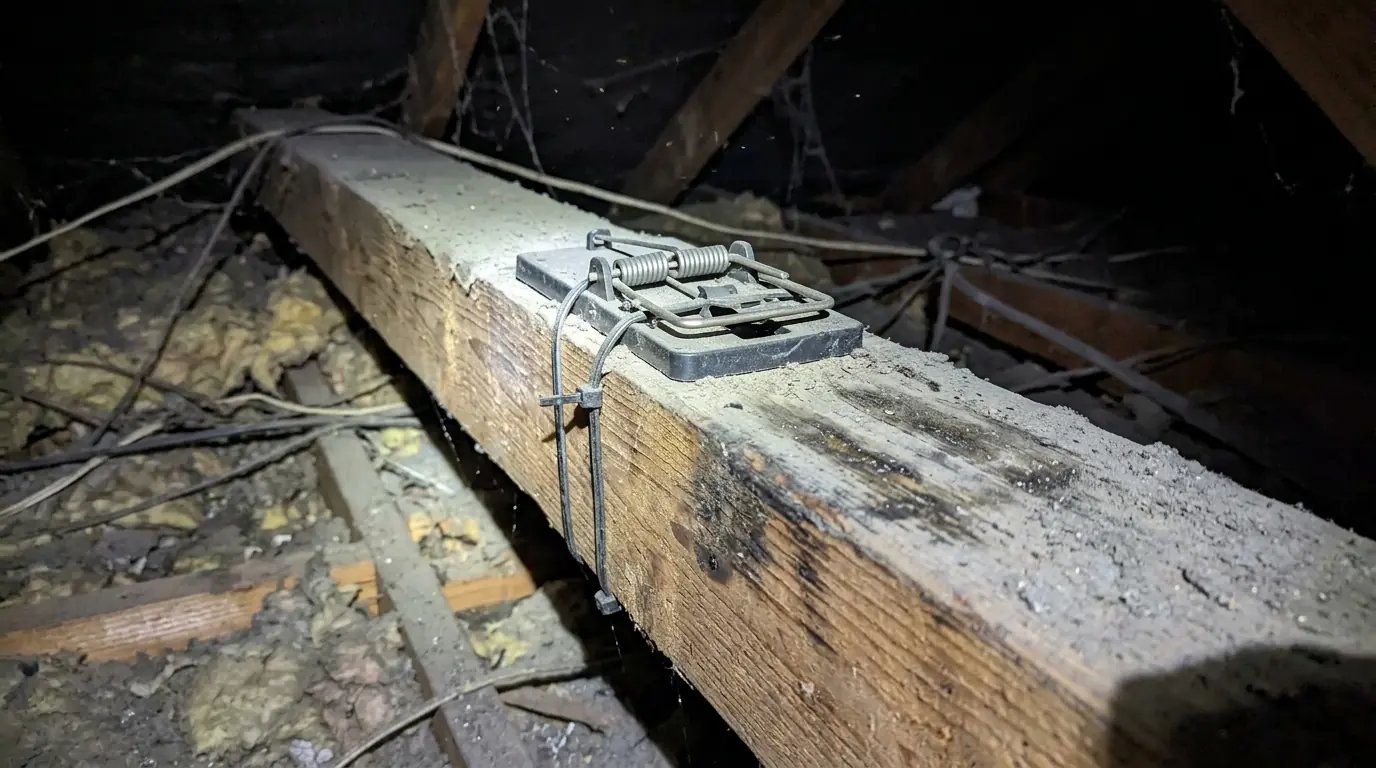
The attic campaign. Trap sets go up on the rafters and wall tops along the grease-marked runways, secured and serviced on a tight schedule, because roof rats travel up high and ground-level sets catch nothing. The first few nights carry the heaviest take and tell us the real population size. Expect the ceiling noticeably quieter inside the first week and our close-out standard after that: two consecutive zero-activity checks.
Norway rats
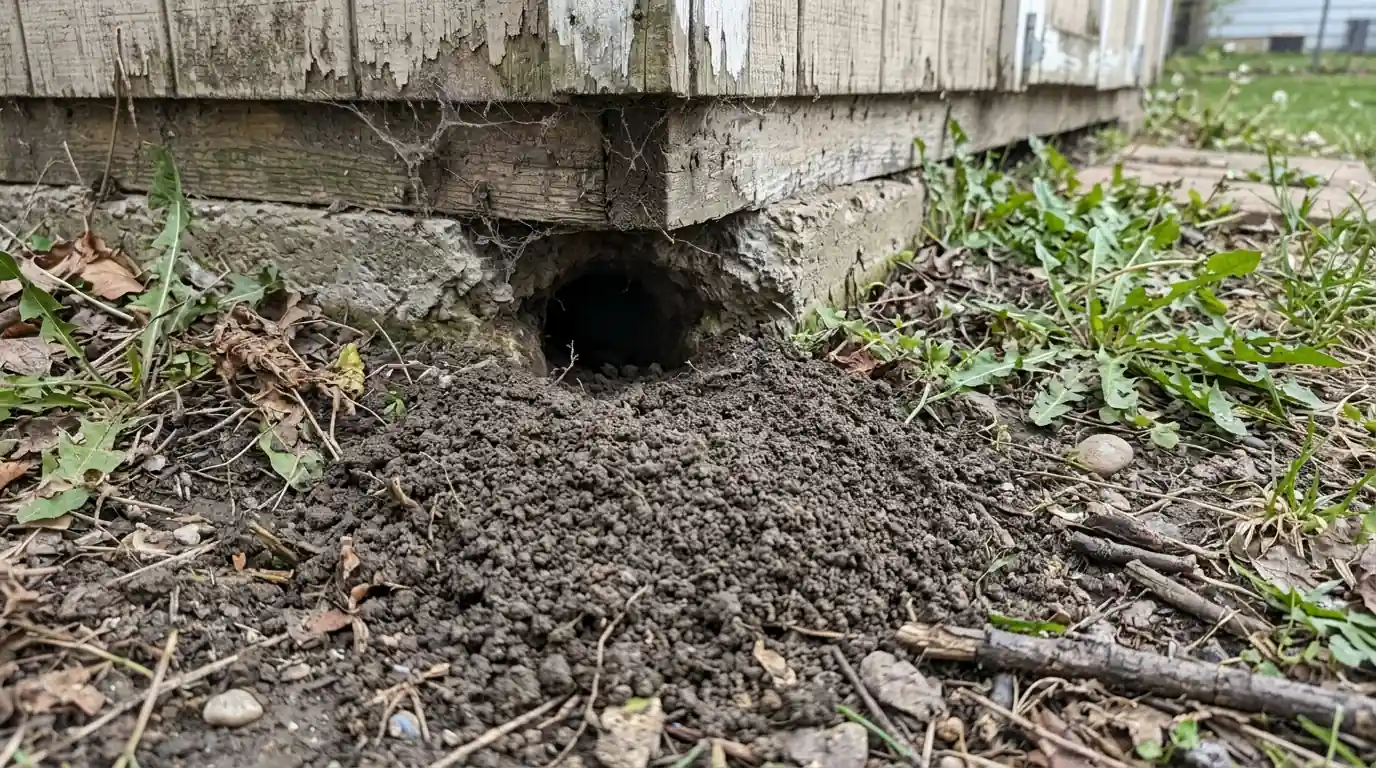
The ground-level cousin needs a different program. Norway rats burrow under slabs, sheds and ivy banks rather than climbing, so their jobs run at grade: burrow treatment, secured exterior stations along the fence runs, and sealing focused on door sweeps and foundation gaps instead of eaves. Stockier droppings with blunt ends and fresh burrow throws are the tells. Plenty of San Jose properties host both species at once, and the inspection splits the program accordingly.
Attic programs
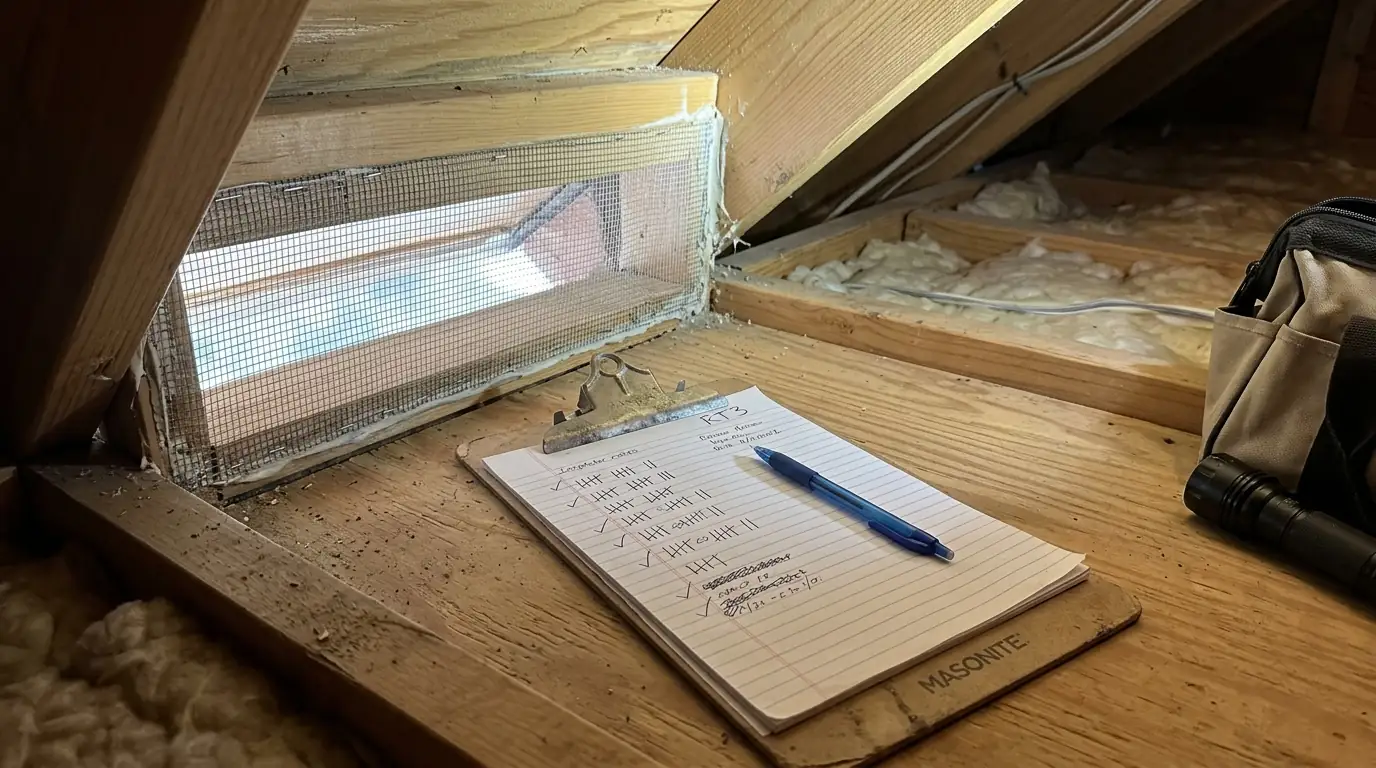
For established infestations we run the attic as a managed program rather than a visit: scheduled trap service until counts die, sealing phased as entries are confirmed, moisture and wiring damage flagged as we find it, and the cleanup decision made on evidence at the end. You get the activity numbers from every service, so progress is something you watch rather than take on faith. Most programs close within a month; the sealing is what keeps them closed.
Hearing it overhead right now? The line is answered at this hour.
Call (669) 369-0489What we see around San Jose
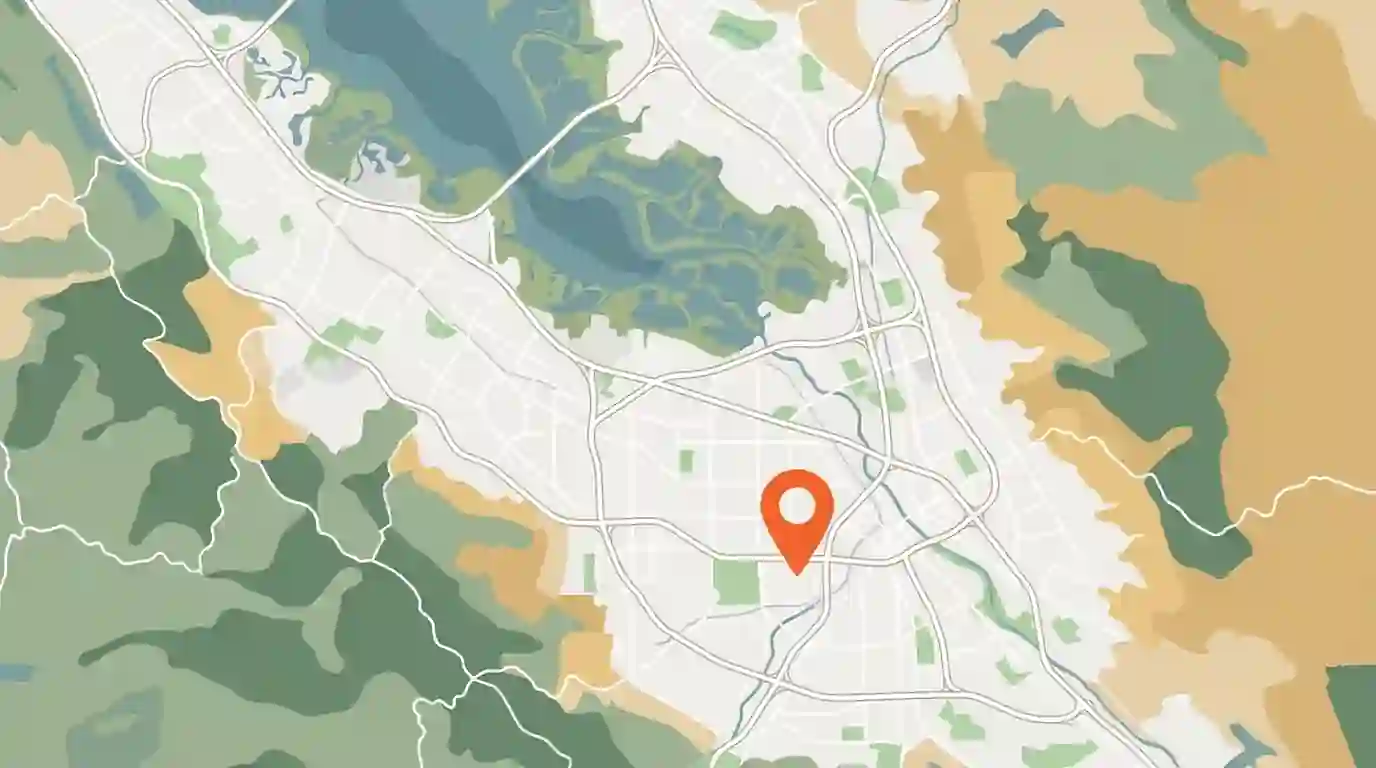
The scale here is worth stating plainly: the roof rat is by far the most abundant rodent pest in Santa Clara County, and the vector district logged about 1,340 reported rat sightings countywide in 2020, which only counts the people who bothered to report. Mature trees, fruit in the yards and mild winters keep the population compounding year-round, so a quiet attic in this county is something you maintain, not something you get to assume.
What a rat program costs depends on
Rat work prices as a program: the trapping schedule, the sealing scope and the verification visits, quoted together after the inspection.
| What moves the price | How it moves it |
|---|---|
| Infestation size | First-week trap take tells us whether this is a pair or an established colony. |
| Entry points to seal | Rodent proofing in San Jose typically runs $300 to $800 or more depending on how many gaps and vents need closing. |
| Roof access | Two-story rooflines and tile roofs slow the sealing work. |
| Attic condition | Heavy contamination adds the cleanup conversation after trapping. |
| Vegetation contact | Branches and ivy touching the roof keep pressure on until trimmed. |
| Follow-up cadence | Heavier jobs need more service visits before two clean checks land. |
The exclusion figure is a published San Jose market range for planning; your written quote itemizes trapping, sealing and visits separately.
Worth reading alongside this: what rodent proofing costs here.