Short answer
Cockroach control in San Jose depends entirely on which species you have. German cockroaches breed indoors year-round and need a gel bait program with scheduled follow-ups; Oriental and American cockroaches come in from drains, crawl spaces and landscaping and need exclusion and exterior work. Blanket spraying scatters German roaches deeper and makes the job longer.
The single most useful thing a technician does on a roach call is name the species, because the three common ones live completely different lives. German cockroaches are the small tan ones that stay indoors near warmth and water, reproduce every few weeks, and are the reason this job exists as a specialty. Oriental and American roaches are bigger, live outdoors or in sewers and crawl spaces, and wander in rather than breeding in your cabinets.
Modern treatment follows that split. For German roaches it is bait in the harborage, growth regulators to break reproduction, and visits spaced to catch each hatch. For the outdoor species it is finding how they get in, sealing it, and treating the exterior and crawl space. Spraying a kitchen with a repellent product actively hurts the first case and does nothing for the second.
How a roach program actually runs
Identify the species
Size, color and where they are found settle German versus Oriental versus American in minutes.
Map the harborage
Monitors and inspection find the voids and moisture lines holding the population.
Bait and treat
Gel placements and growth regulator for German roaches; exterior, drain and sealing work for the others.
Follow-up visits
Each return reads the monitors, refreshes bait and shifts placements as activity moves.
Close on zero
Two consecutive clean reads ends the program, with the sanitation and sealing notes left with you.
German cockroach gel baiting
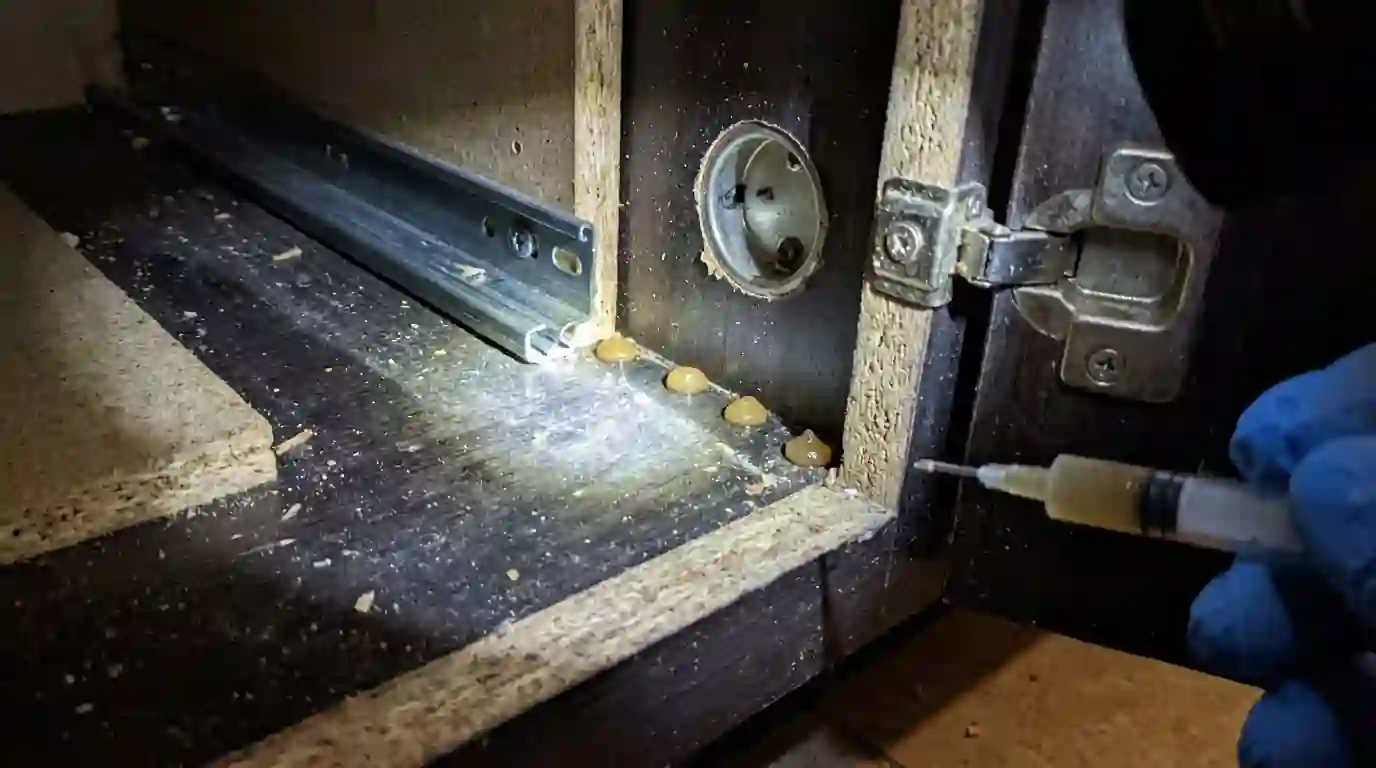
This is the serious one. Gel bait goes into the places roaches actually live, hinge pockets of cabinet doors, the voids behind drawer rails, motor housings on appliances, the gap under the sink lip, dozens of pea-sized placements rather than a spray pass. Roaches feed, return to harborage and die there, and the bait moves through the population by contact and secondary feeding. A growth regulator goes in alongside so the hatch that follows cannot reproduce. Expect two to four visits; heavy kitchens need the full count.
Oriental cockroaches
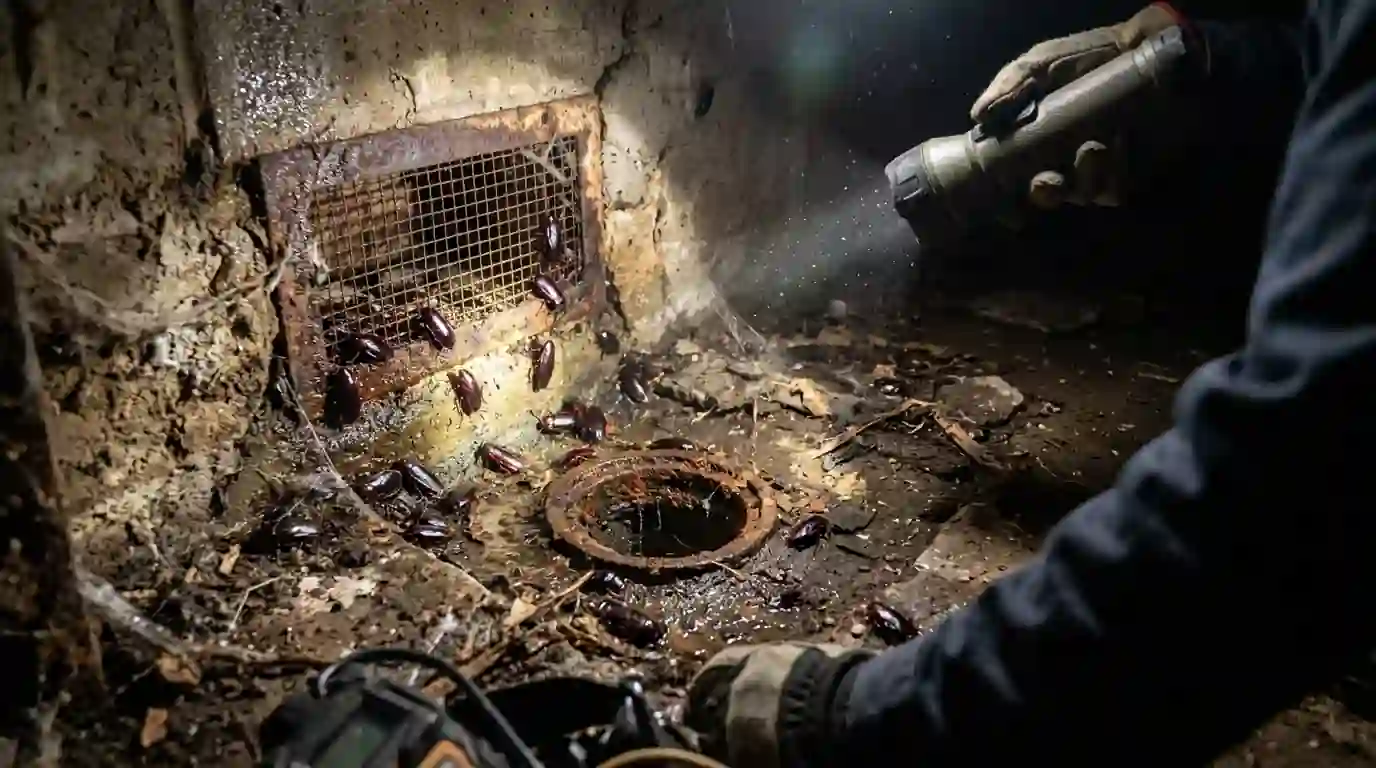
The dark, slow ones found in garages, bathrooms and crawl spaces are usually Orientals, and they are a moisture and entry story rather than a breeding-indoors one. They live in drains, under slabs and in damp leaf litter outside, then come in through floor drains, crawl space vents and gaps under doors. Treatment pairs exterior and crawl space work with drain service and sealing. If the kitchen is clean and the roaches keep showing up in the bathroom at night, this is usually the species.
American cockroaches
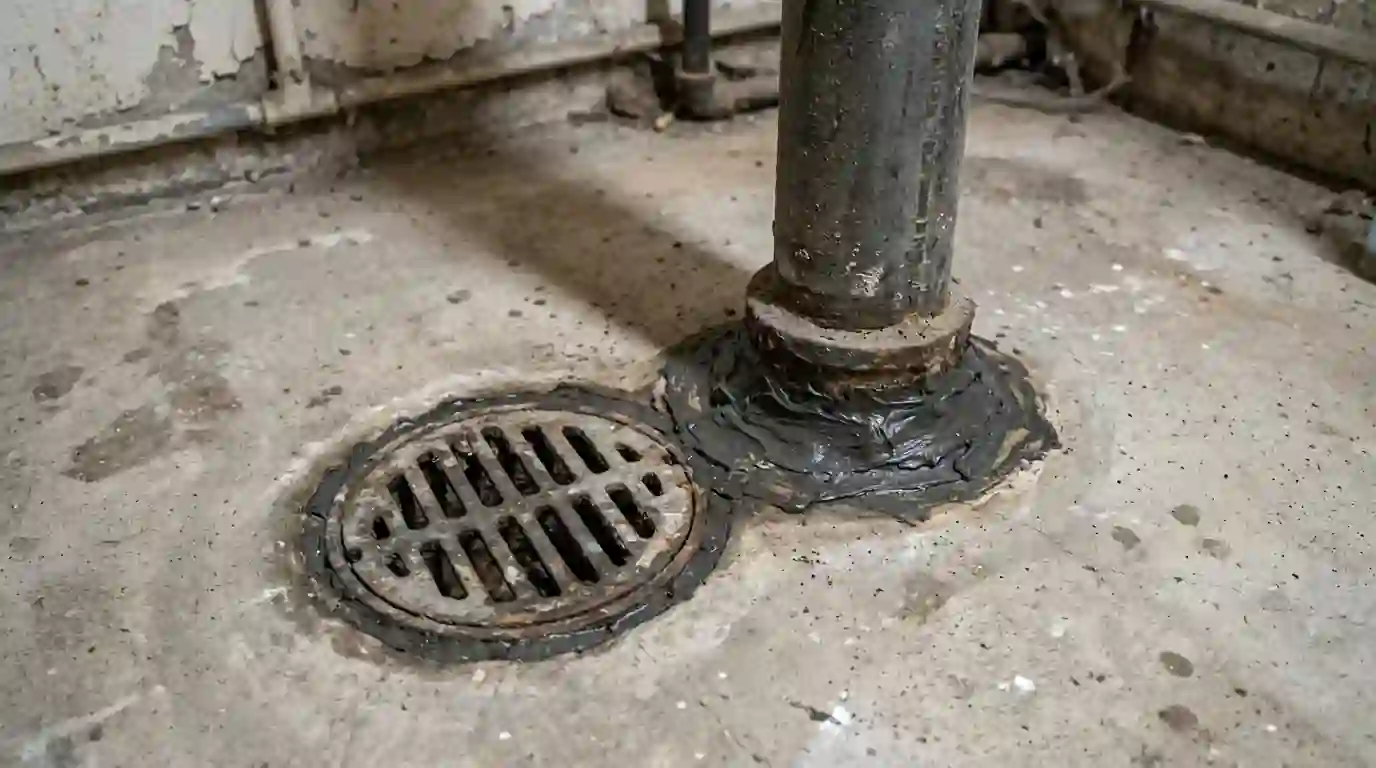
The large reddish-brown roaches, the ones people call palmetto bugs or water bugs, mostly live in sewers, storm drains and commercial grease lines and travel in through plumbing and vents. One or two a week in a building usually means a dry floor drain trap or an unsealed pipe penetration rather than an infestation. We trace the route, treat the access points, and tell you which plumbing fix stops the traffic for good. Treating the kitchen for these without closing the route just repeats the visit.
Seeing them in daylight? That means the harborage is already full.
Call (669) 369-0489What we see around San Jose
German cockroach pressure runs high across San Jose, and it moves between units in a way homeowners in detached houses rarely see. In apartments and condos a neighboring unit can keep reseeding yours through shared walls and plumbing chases, which is why we ask about building type on the first call and coordinate with management where it matters. For restaurants and food service, the same biology applies at a higher stakes level, and the program runs tighter.
What drives the cost of roach work
Roach jobs price as programs, because one visit is never the whole answer with German roaches. The visit count is the main variable.
| What moves the price | How it moves it |
|---|---|
| Species | German roach programs run multiple visits; Oriental and American work is often shorter. |
| Infestation level | Daylight sightings and monitors filling fast mean a heavier bait load and more returns. |
| Kitchen complexity | More cabinetry, appliances and voids mean more placements per visit. |
| Building type | Multi-unit work may need neighboring inspections to stop reseeding. |
| Sanitation conditions | Competing food sources slow baiting, which sometimes adds a visit. |
| Sealing and drain work | Exterior species need entry work that German roach programs do not. |
The program is quoted with its visit count up front, so you know what the whole job costs before the first placement goes in.
If you want the background: why cockroach sprays fail.