Roof rats
Mature canopy and aging vents make attic entry easy on the older streets.
Coverage
Sunnyvale work splits between mid-century single-family streets and a heavy share of apartments and rentals, and the two produce very different calls.
Local focus
Short answer
Pest control in Sunnyvale runs on the same catalog we use across the Bay Area, with the emphasis set by what this area actually produces: roof rats, Argentine ants and the conditions behind them. Phones are answered around the clock and crews route out from the San Jose service office.
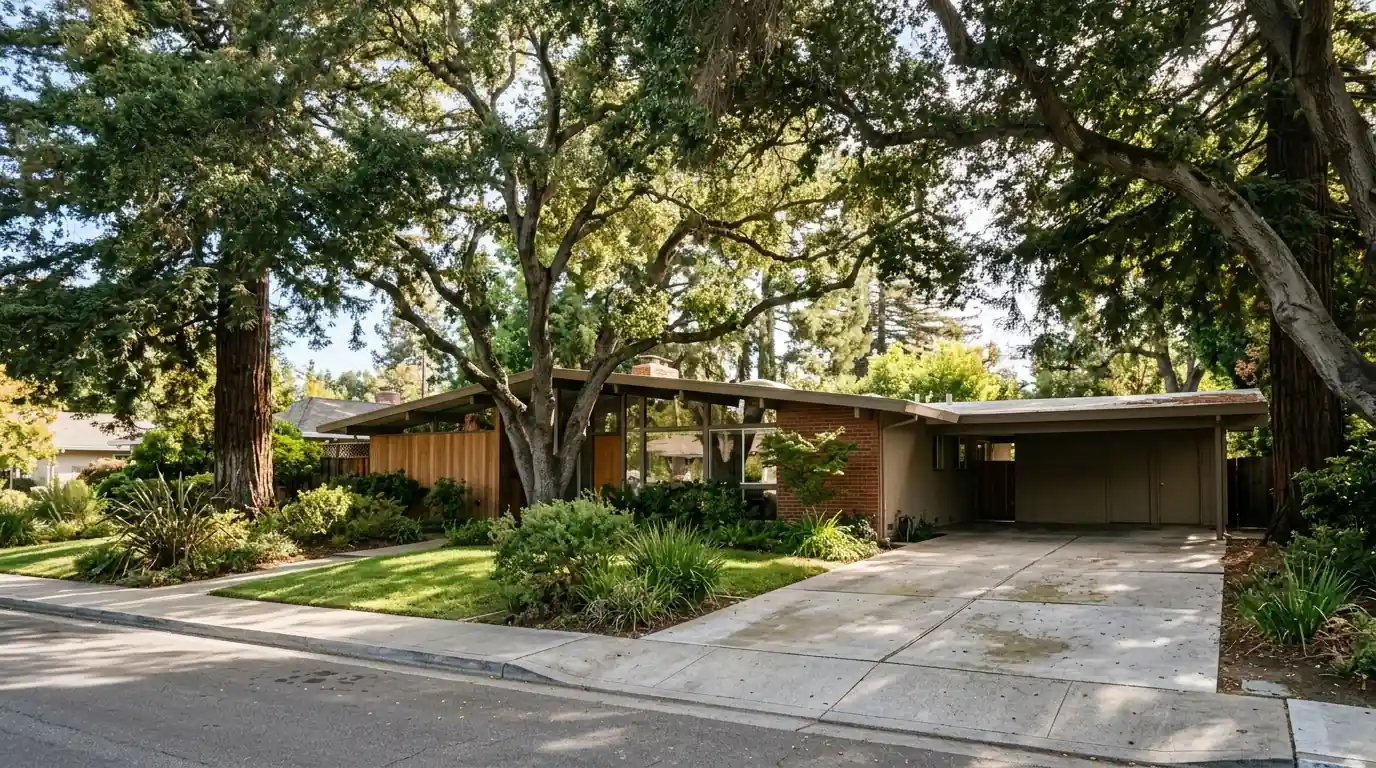
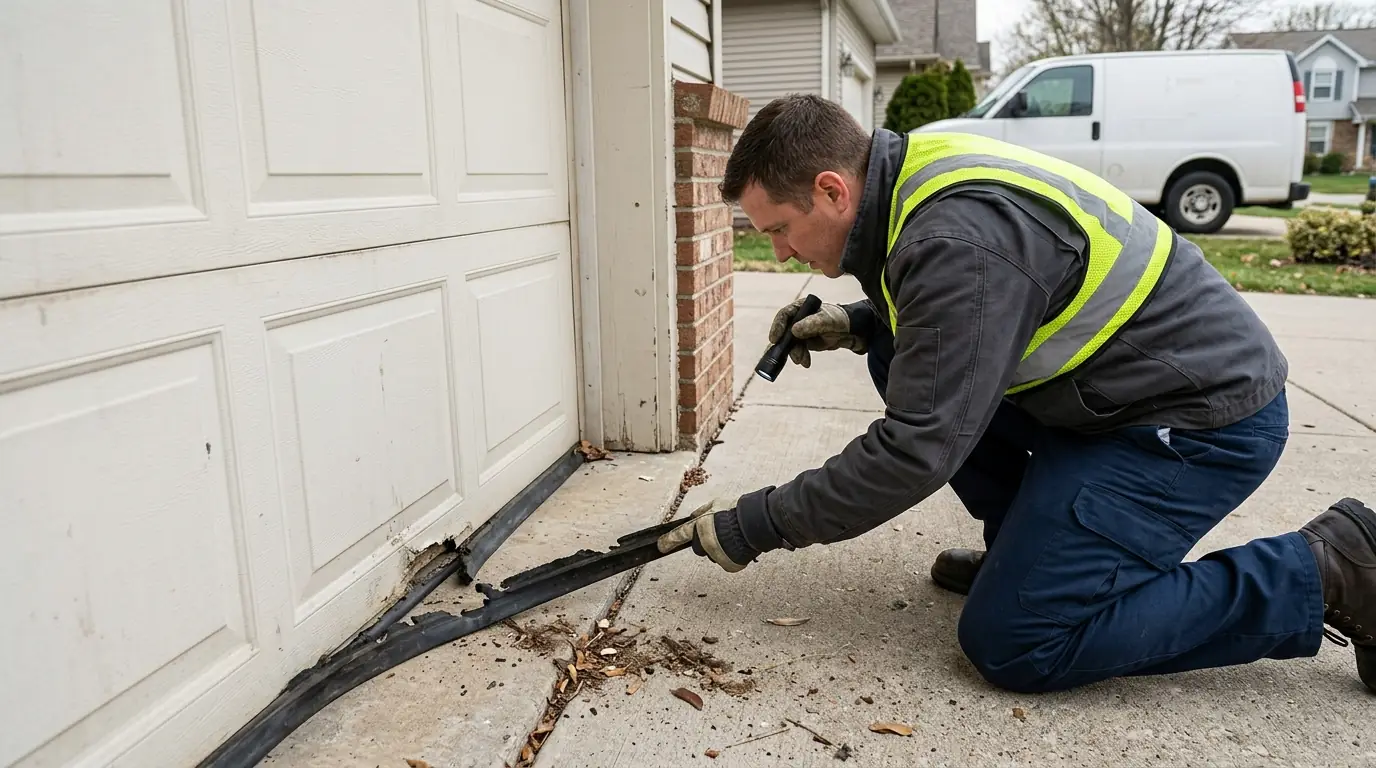
The older residential grid here, built out through the fifties and sixties, has the combination that keeps rodent work steady: mature trees reaching the roofline, raised foundations with vents that have been there sixty years, and garage doors whose sweeps gave up a decade ago. Roof rats take all three.
The rental and apartment share brings the other half of the workload. German cockroach and bed bug problems in multi-unit buildings need neighboring units inspected rather than just the one that called, and that coordination is as much of the job here as the treatment itself.
What we see here
Mature canopy and aging vents make attic entry easy on the older streets.
Constant pressure, worse after irrigation changes and the first heat.
The multi-unit share makes building-level treatment the norm.
Mid-century framing close to grade in the older neighborhoods.
On the ground
Crews run out of the San Jose service office, and routing is built around the day rather than a fixed territory, so a wasp nest or a biting-pest call gets moved up regardless of which part of the coverage area it sits in. Inspections and scheduled service book within a few days.
Coverage here takes in the older residential grid, the apartment corridors and the business parks along the north side. If you are just outside what is listed, call anyway and we will tell you plainly whether we can route to you rather than taking a booking we cannot keep.
Local detail
A large share of Sunnyvale calls come from renters and from property managers, and the two need different handling. Renters usually need the problem documented as well as treated, so the service note matters. Managers need adjoining units inspected and scheduling that respects tenant notice.
On owner-occupied streets the work is more familiar: perimeter treatment, rodent entry sealing at vents and garage doors, and a termite inspection on houses that have never had one. Mid-century homes here are now old enough that the inspection is worth booking on its own.
Sunnyvale sits in the middle of the valley-wide Argentine ant picture: supercolonies that run year-round with no seasonal break, scattering into new entry points when hit with over-the-counter repellent sprays. Combined with the city's large apartment share, that means most calls here are either an ant trail that keeps reappearing or a multi-unit coordination problem that needs the neighbors inspected too.
Straight answers
You can call and we will tell you what we are seeing, though for building-wide problems the fix usually needs the owner or manager involved. We will say plainly which yours is.
Because the colony outside never leaves and repellent sprays only move the trail. Baiting the colony and treating the exterior supply line is the version that holds.
They are old enough to be worth one, yes, especially where framing sits close to grade. Plenty of first-time inspections on these streets find activity nobody suspected.
Yes, as scheduled programs with per-unit documentation and adjoining unit inspection on complaint calls.
One number, answered around the clock, and a written note on what was found.
Call (669) 369-0489 any hourWhere to find us