Drywood termites
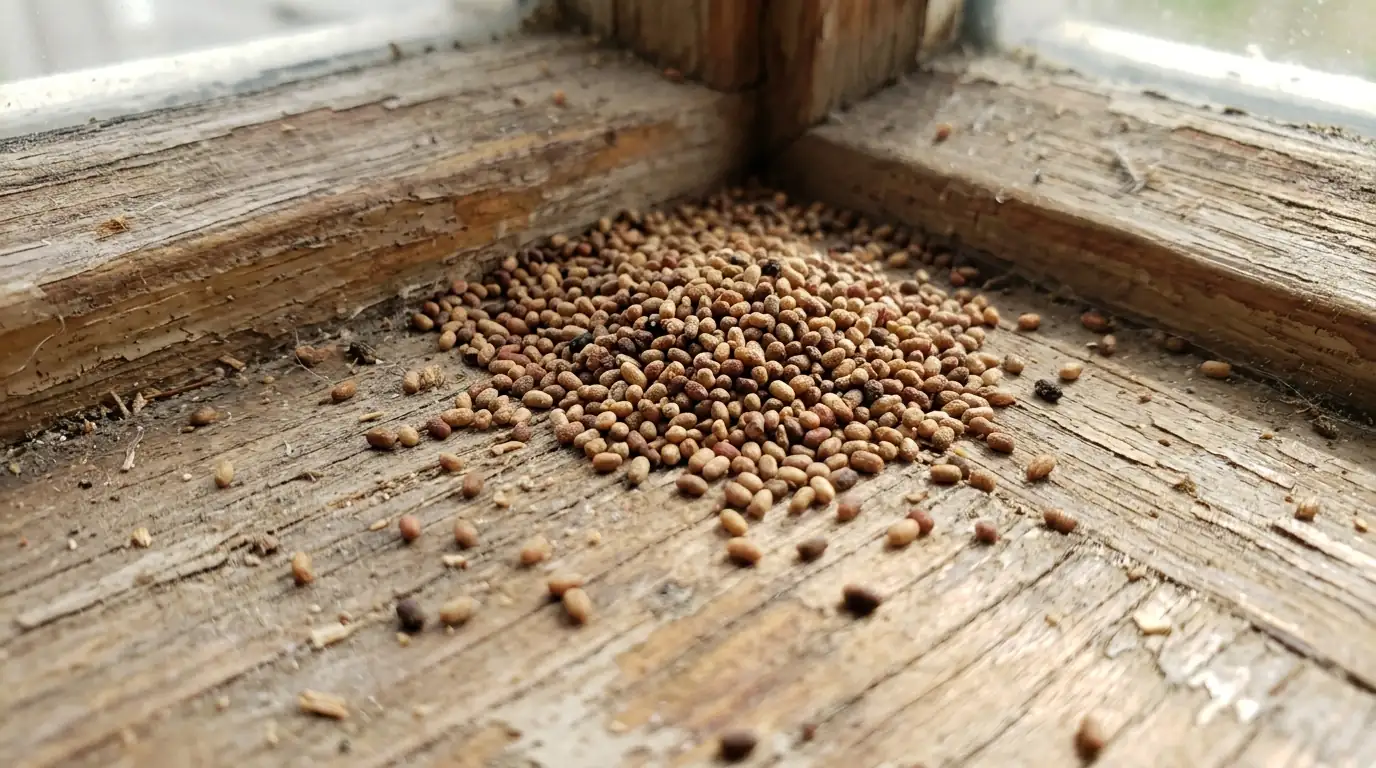
Frass on sills from original orchard-era framing is the classic local finding.
Coverage
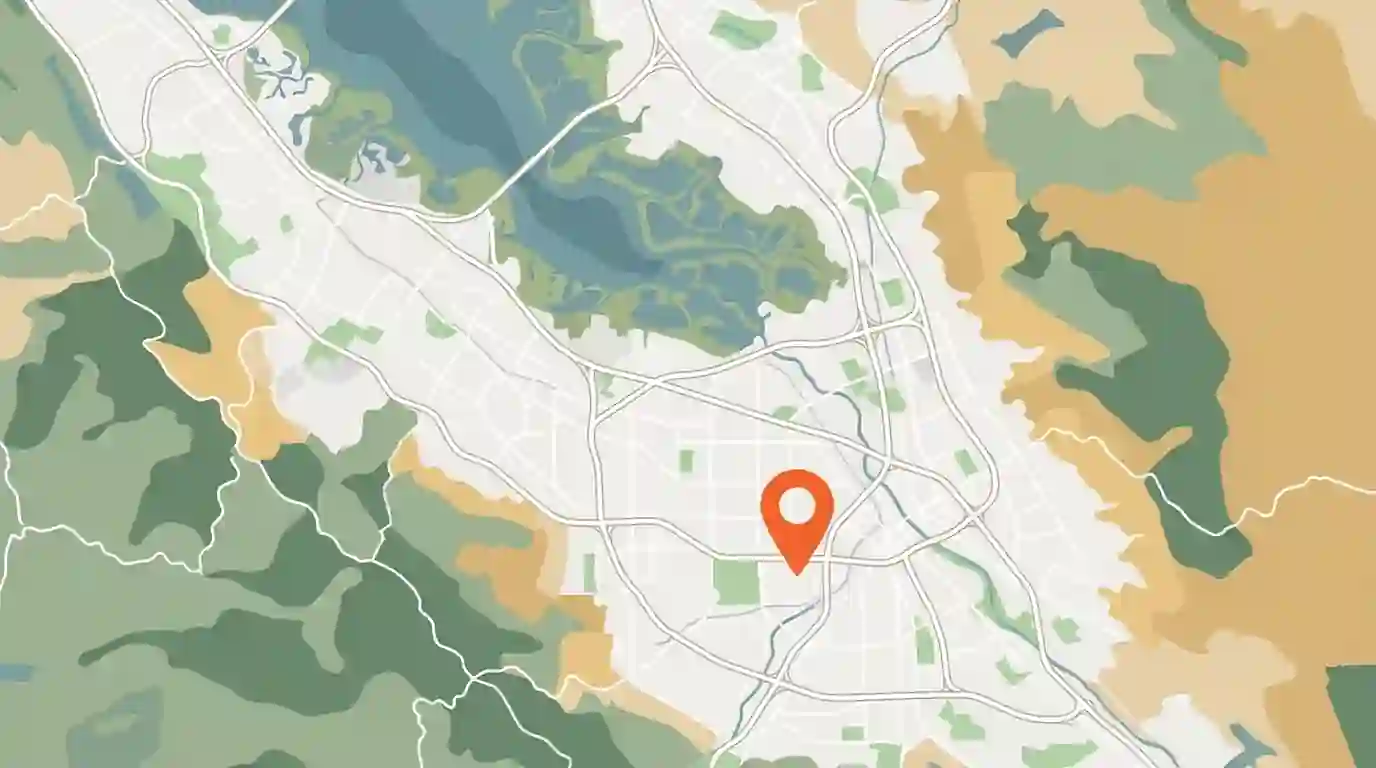
Santa Clara is where the orchard-era housing shows up most clearly, and with it the drywood termite work that comes from original old-growth framing.
Local focus
Short answer
Pest control in Santa Clara runs on the same catalog we use across the Bay Area, with the emphasis set by what this area actually produces: drywood termites, roof rats and the conditions behind them. Phones are answered around the clock and crews route out from the San Jose service office.
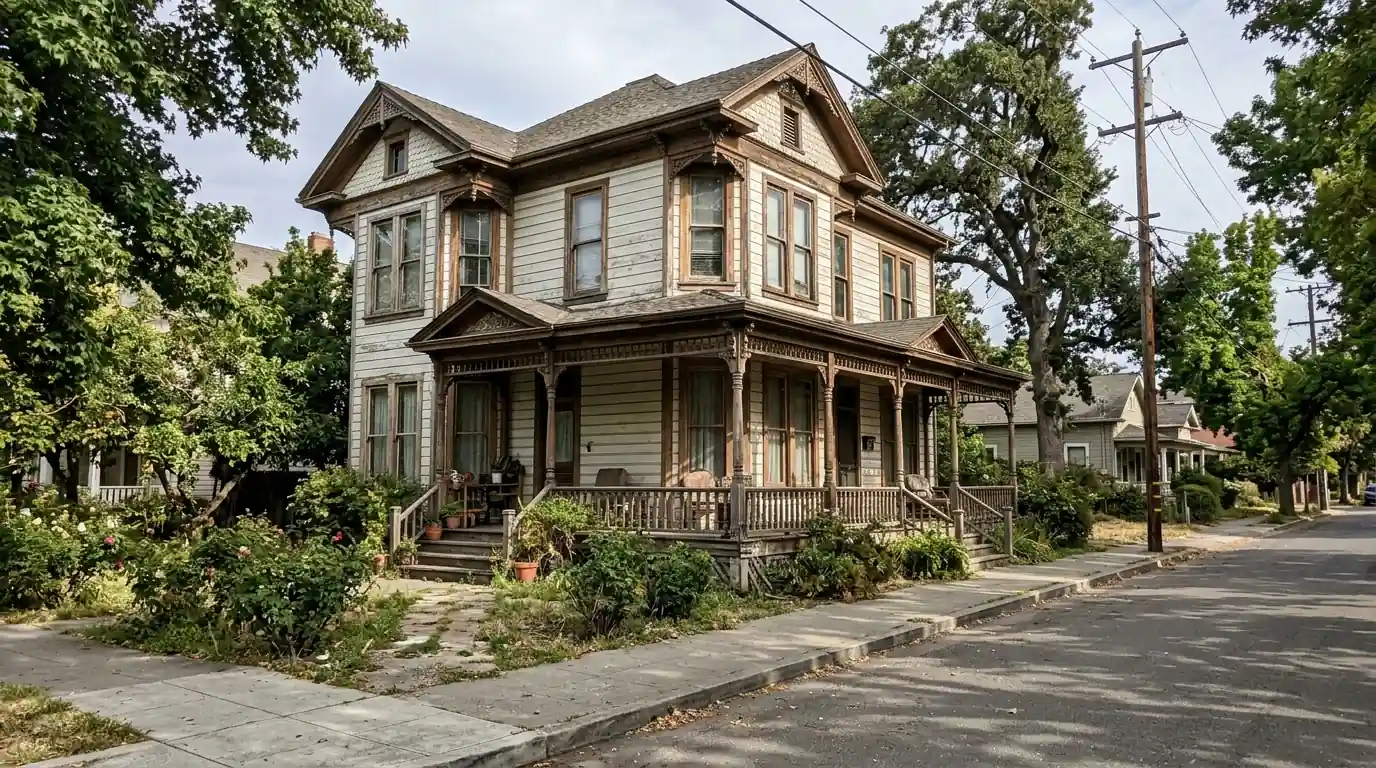
Around the Old Quad, drywood termites work the original framing of orchard-era homes and leave frass on window sills, which is the single most distinctive local pattern we see. Those houses were framed with old-growth lumber that has been in place for a century, and a colony inside it is often decades old before anyone notices the pellets.
The rest of the city runs a more typical South Bay mix: ant pressure year-round, rodent entry at vents and rooflines, and the apartment density near the university adding multi-unit roach and bed bug work to the schedule.
What we see here
Frass on sills from original orchard-era framing is the classic local finding.
Older rooflines and mature trees give them the usual routes in.
Year-round trails, worse with irrigation against the foundation.
Student and apartment housing keeps this one on the schedule.
On the ground
Crews run out of the San Jose service office, and routing is built around the day rather than a fixed territory, so a wasp nest or a biting-pest call gets moved up regardless of which part of the coverage area it sits in. Inspections and scheduled service book within a few days.
Coverage here takes in the Old Quad, the neighborhoods around the university and the newer tracts toward the north. If you are just outside what is listed, call anyway and we will tell you plainly whether we can route to you rather than taking a booking we cannot keep.
Local detail
Century-old framing changes how an inspection runs. Original old-growth lumber is denser than modern material, which is part of why drywood colonies can live inside it for decades without obvious exterior damage, and why probing and sounding matter more than a visual pass.
It also changes the treatment conversation. On these homes the local-treatment versus fumigation decision turns on how many separate colonies the inspection maps, and on an older house with lots of inaccessible framing that evidence has to be gathered carefully rather than assumed either way.
Around the Old Quad, drywood termites work the original framing of orchard-era homes and leave frass on window sills, which is the most distinctive local finding anywhere in our coverage area. Those colonies are often decades old by the time anyone notices the pellets on the paint, which is exactly why a full-structure inspection beats treating the one sill you happened to see.
Straight answers
Small, hard, six-sided pellets like coarse sand, usually in a neat pile below a pin-sized hole. Vacuum a sample area; frass reappearing within weeks means an active colony.
Not necessarily. Evidence confined to one mapped area is often a local-treatment job. The inspection decides, and you get both options priced.
They take longer to inspect, because original framing hides colonies well and probing matters more than a visual pass. The treatment options are the same ones.
Yes. Those homes see a more typical mix of ant pressure, rodent entry and multi-family roach work rather than the orchard-era termite pattern.
One number, answered around the clock, and a written note on what was found.
Call (669) 369-0489 any hourWhere to find us