Argentine ants
Tight lots with landscaping against the wall keep trails coming.
Coverage
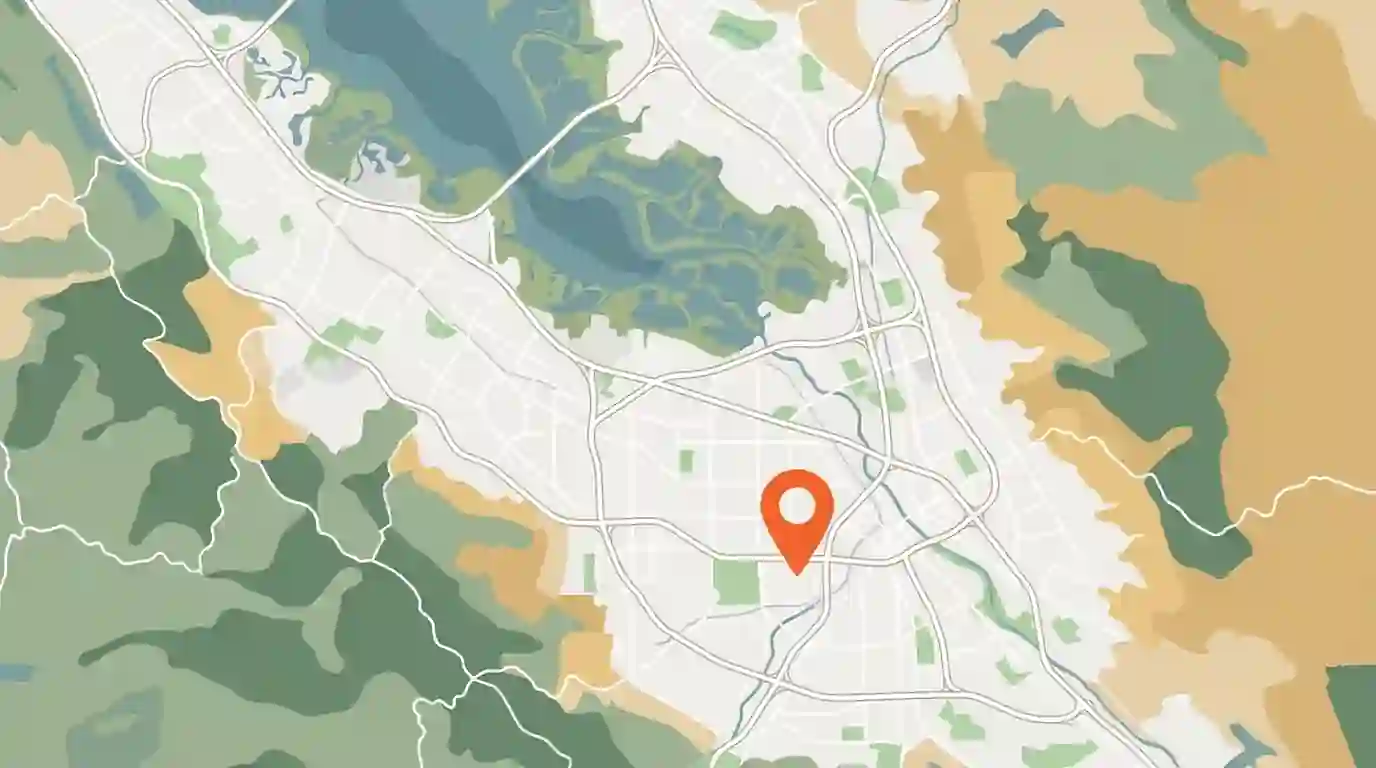
Mountain View mixes small older cottages with a wave of new apartment density, and the pest work splits neatly along that line.
Local focus
Short answer
Pest control in Mountain View runs on the same catalog we use across the Bay Area, with the emphasis set by what this area actually produces: Argentine ants, roof rats and the conditions behind them. Phones are answered around the clock and crews route out from the San Jose service office.
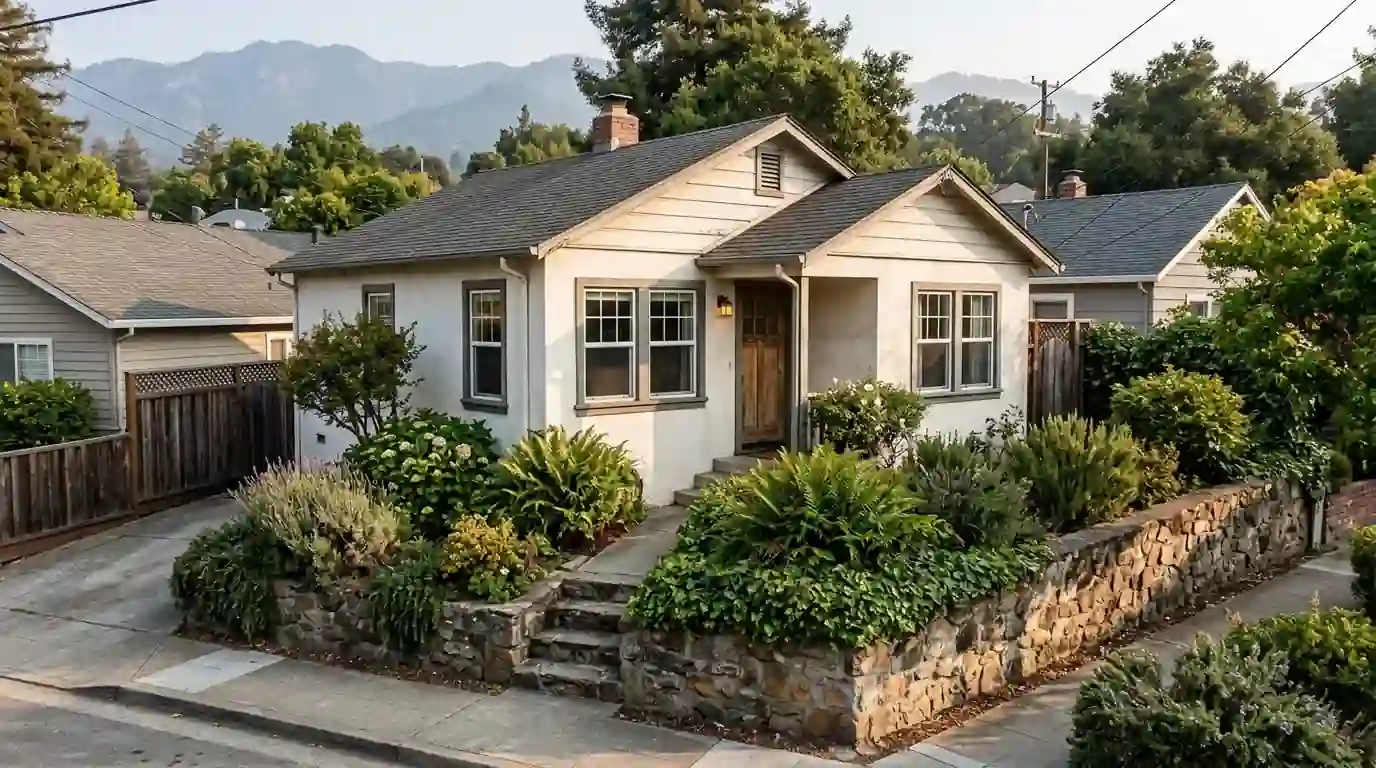
The older housing, small post-war homes on tight lots with raised foundations, produces the familiar combination: rodent entry at crawl space vents, ant trails from landscaping pressed close to the wall, and enough original framing to make termite inspections worthwhile.
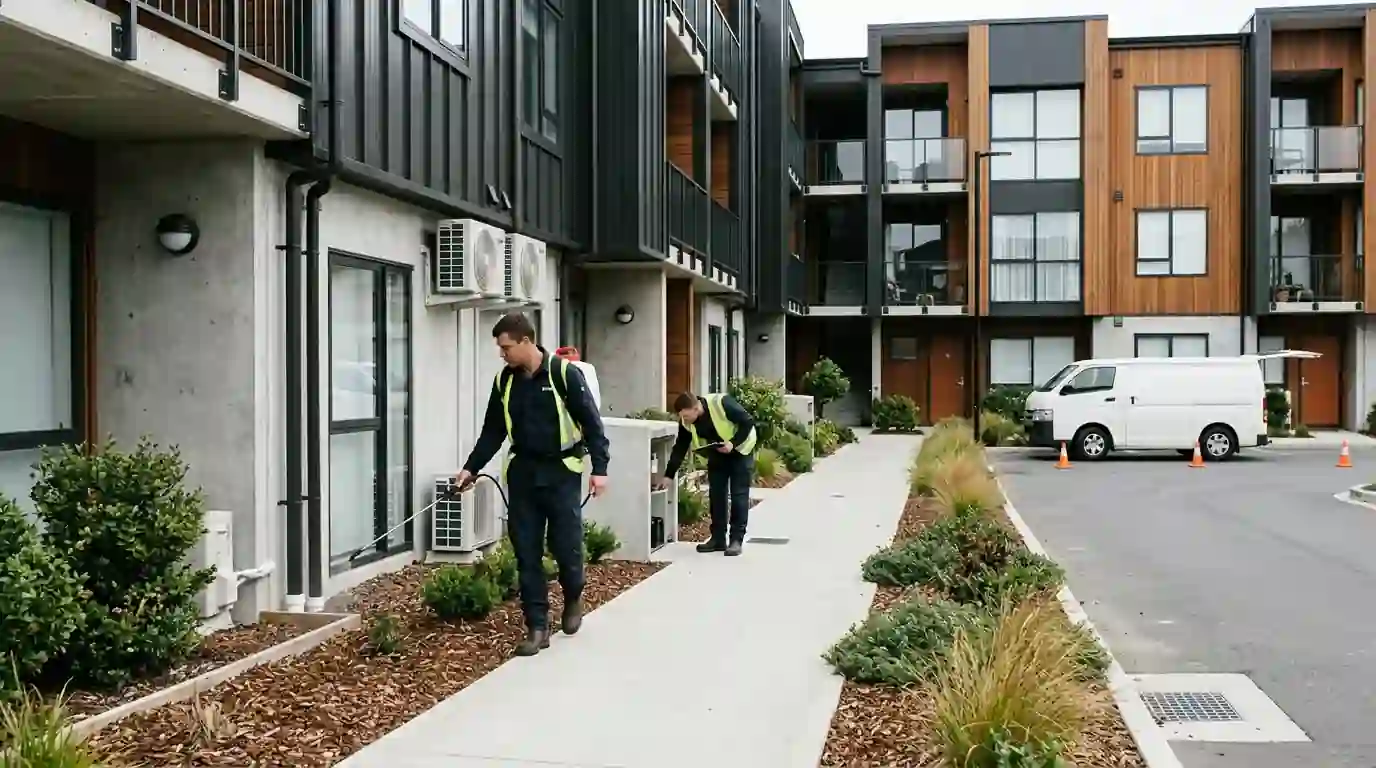
The newer multi-family stock produces a different workload. Dense buildings with shared walls and plumbing chases mean roach and bed bug calls get handled as building problems, and the coordination with property management is often what decides whether the treatment holds.
What we see here
Tight lots with landscaping against the wall keep trails coming.
Crawl space vents and rooflines on the older housing stock.
Dense multi-family buildings keep this on the schedule.
Post-war framing close to soil on the older cottage lots.
On the ground
Crews run out of the San Jose service office, and routing is built around the day rather than a fixed territory, so a wasp nest or a biting-pest call gets moved up regardless of which part of the coverage area it sits in. Inspections and scheduled service book within a few days.
Coverage here takes in the older cottage neighborhoods, the newer apartment corridors and the properties near the creek lines. If you are just outside what is listed, call anyway and we will tell you plainly whether we can route to you rather than taking a booking we cannot keep.
Local detail
A cottage on a tight lot and a four-story apartment block need different plans even for the same pest. The cottage gets a perimeter treatment, entry sealing and a straightforward follow-up. The apartment needs neighboring units inspected, notice periods respected and documentation per unit.
The useful thing for a caller to know is which of those they are. If you rent, say so on the first call, because it changes whether we are talking to you, to a manager, or to both about a building-wide plan.
Mountain View's split between small older cottages and dense new multi-family housing shows up directly in the work. Cottage lots bring crawl space vents, close landscaping and original framing worth inspecting; the apartment corridors bring shared walls and plumbing chases that make roach and bed bug problems building-level rather than unit-level from the very first call we take.
Straight answers
Yes, with scheduling built around notice requirements and written records per unit. The apartment corridors make up a good share of the local workload.
Not by itself, but it is where most evidence lives. Vents, clearances and moisture under the floor explain a lot of what shows up inside the house.
New landscaping and fresh irrigation change the moisture picture against the foundation, which is exactly what pushes Argentine ant trails toward the house.
Usually yes. Post-war framing close to soil is the classic setup, and the inspection either finds something early or gives you a clean baseline.
One number, answered around the clock, and a written note on what was found.
Call (669) 369-0489 any hourWhere to find us