Short answer
Ant control in San Jose is mostly Argentine ant control, and the method matters more than the product. These ants run linked supercolonies across the valley, so repellent sprays scatter them into new entry points instead of ending anything. Non-repellent treatment and baiting let workers carry the dose back to the colony, which is the only version that holds.
The reason ant jobs fail is almost always the same: someone treated the trail, not the colony. Argentine ants live in enormous interconnected networks with many queens, and a trail on your counter is one supply line out of dozens. Kill the ants you can see with a repellent and the network simply routes around the treated area, often splitting into more entry points than you started with.
Treatment works with the biology instead. Non-repellent materials and baits are carried back and shared through the colony, which takes a few days rather than a few minutes but reaches the part that matters. Outdoors, the work targets the supply lines and the conditions feeding them: irrigation, mulch beds, trees touching the roof, and the ongoing pressure that never fully goes away in this valley.
What drives the price of ant work
Ant jobs price by the treated area and whether the pressure needs a single correction or ongoing cover.
| What moves the price | How it moves it |
|---|---|
| Species | Pavement ants are usually a smaller job than an Argentine supercolony pressing on the house. |
| Interior and exterior | Most jobs need both; the exterior perimeter is where the supply line gets cut. |
| Property size | Perimeter footage, landscaping depth and outbuildings all add treated surface. |
| Nest access | Slab voids and wall nests take more work to reach than a trail along a fence line. |
| Prior spraying | Heavily sprayed homes sometimes need a settling period before baiting takes properly. |
| One-time or scheduled | Argentine ant pressure usually costs less on a schedule than as repeated single visits. |
You get the price before work starts, with a plain statement of whether one visit is realistic for your situation.
Argentine ant treatment
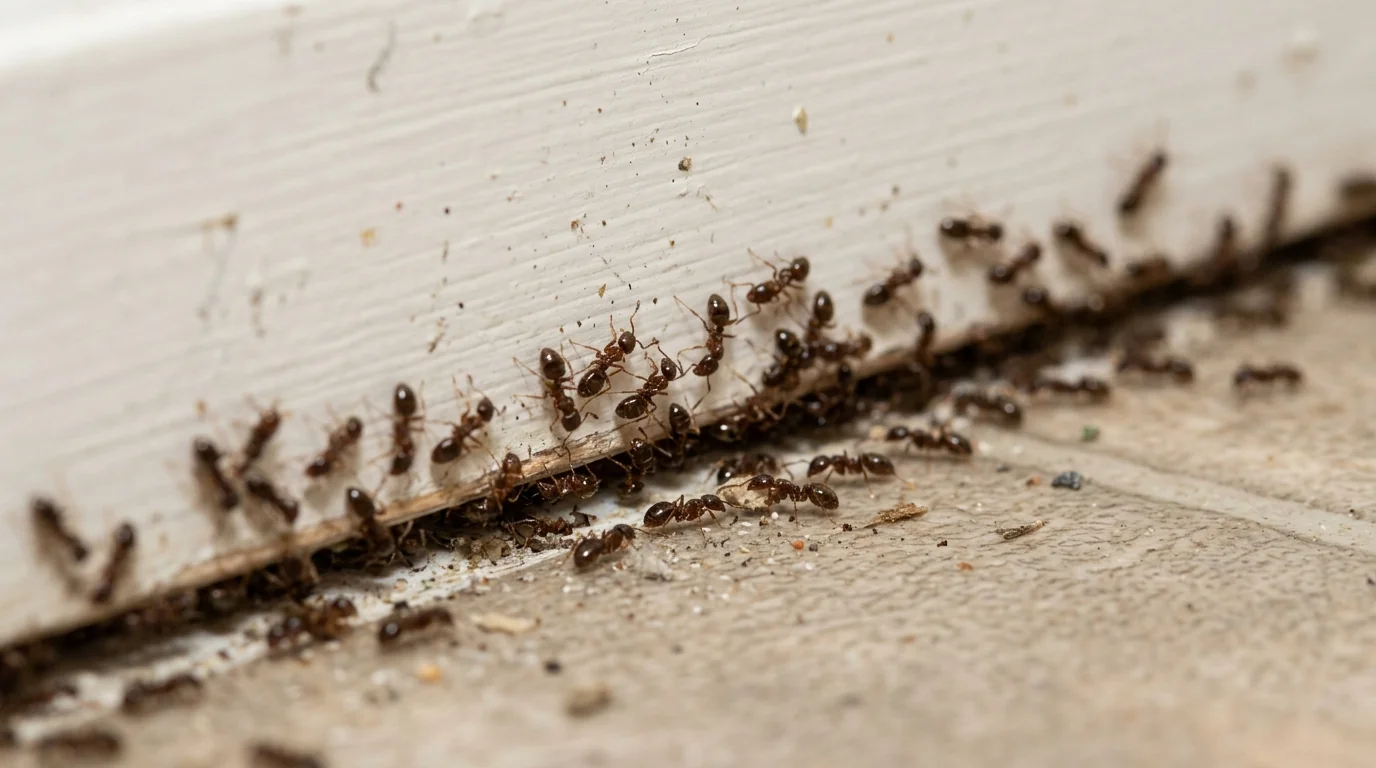
The dominant ant in San Jose and the reason most people call. Small, uniformly brown, moving in dense two-way trails along baseboards, counters and fence lines. Treatment combines non-repellent exterior work with interior baiting placed on the trail itself, so foragers carry it home rather than avoiding it. The instruction that surprises people most is to stop spraying before we arrive, because a repellent barrier makes the bait unreachable. Give it a few days and the trail thins, then stops.
Odorous house ants
Slightly larger, dark brown, and known for the smell they give off when crushed, something like a rotten coconut. They nest under slabs, in wall voids and in potted plants, and tend to show up indoors during rain or heat when conditions outside turn unfriendly. They respond well to baiting but need the nest location narrowed, since a colony inside a planter or a slab void keeps producing foragers no matter how much counter surface you wipe down.
Pavement ants
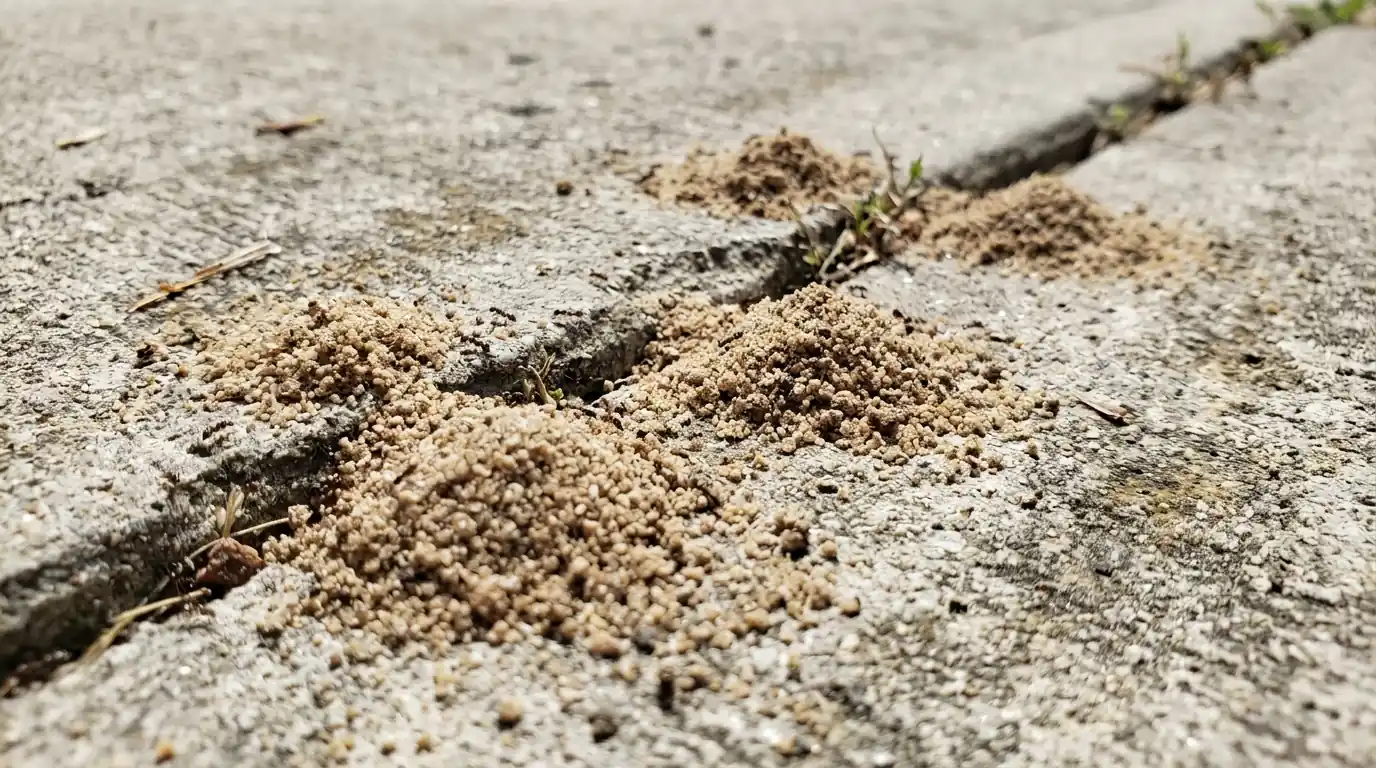
The ones pushing little piles of sand up through driveway cracks, patio joints and expansion gaps. Pavement ants nest under hardscape and come indoors along the slab edge, usually in small numbers, and the classic sign is the fine soil mound at a crack rather than a visible trail. Treatment goes into the nest under the slab through the cracks they are already using, plus a perimeter band to cut the entry line. These are a smaller job than Argentine ants and it is worth knowing which one you have before anyone quotes a program.
How ants actually get dealt with
Identify the species
Size, color, trail behavior and nest location separate Argentine from odorous and pavement ants.
Find the entry and the source
Trails get followed outward to where they cross the structure line.
Bait and treat
Non-repellent material and bait placed where foragers actually travel, interior and exterior.
Fix the conditions
Irrigation, mulch depth, branches touching the roof and food sources all get flagged.
Follow up
A check confirms the trails are gone and the bait did its work, rather than assuming it.
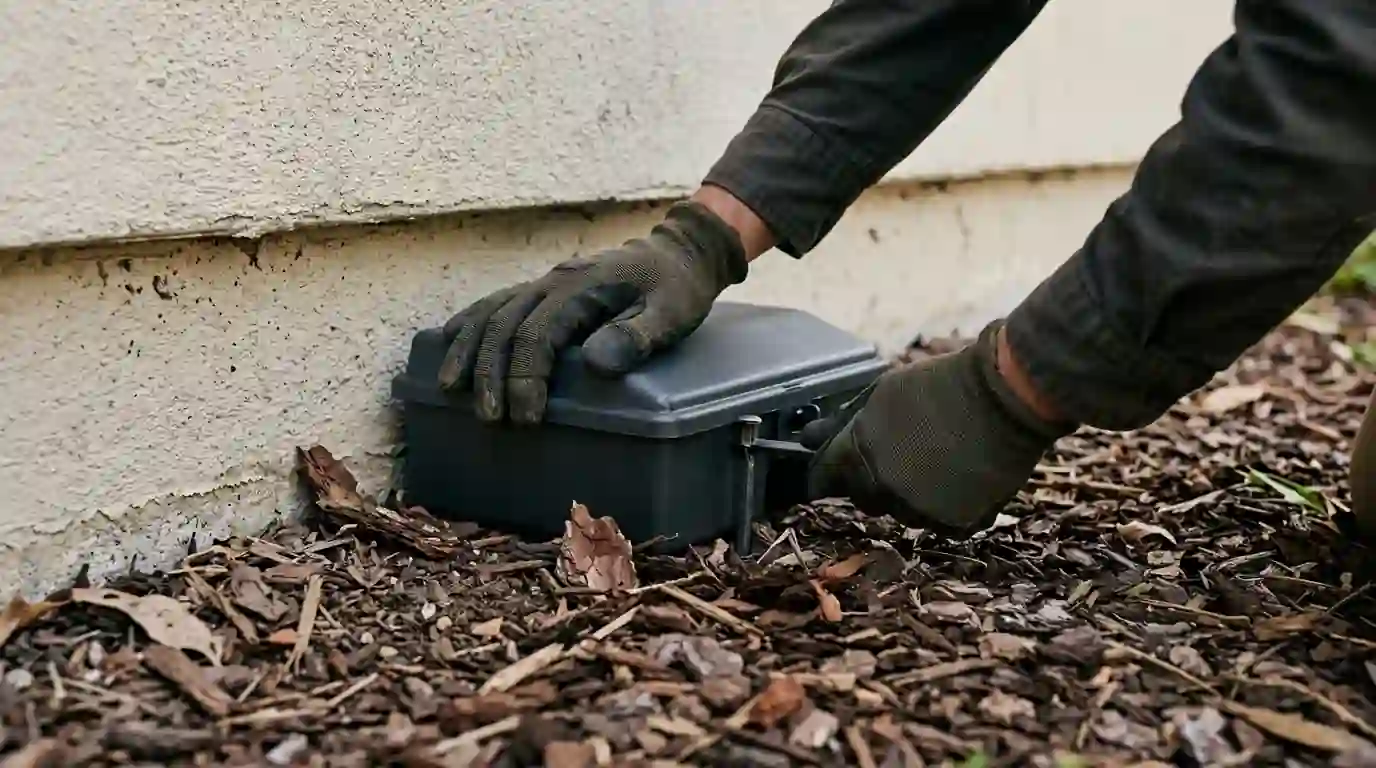
Trail back on the counter this morning? Let us bait the colony instead.
Call (669) 369-0489What we see around San Jose
This is the defining pest problem of the valley. Argentine ants run linked supercolonies across the Santa Clara Valley year-round, which means the population pressing against your house has no season and no edge, and over-the-counter repellent sprays scatter them into new entry points rather than reducing them. Treating one kitchen trail is working on a branch of something that extends for blocks, which is why the exterior work and the follow-up matter as much as what happens on the counter.
More on this in Pest Watch: pest-proofing before the rains.