Roof rats
Dense canopy reaching rooflines gives them a route that bypasses the ground entirely.
Coverage
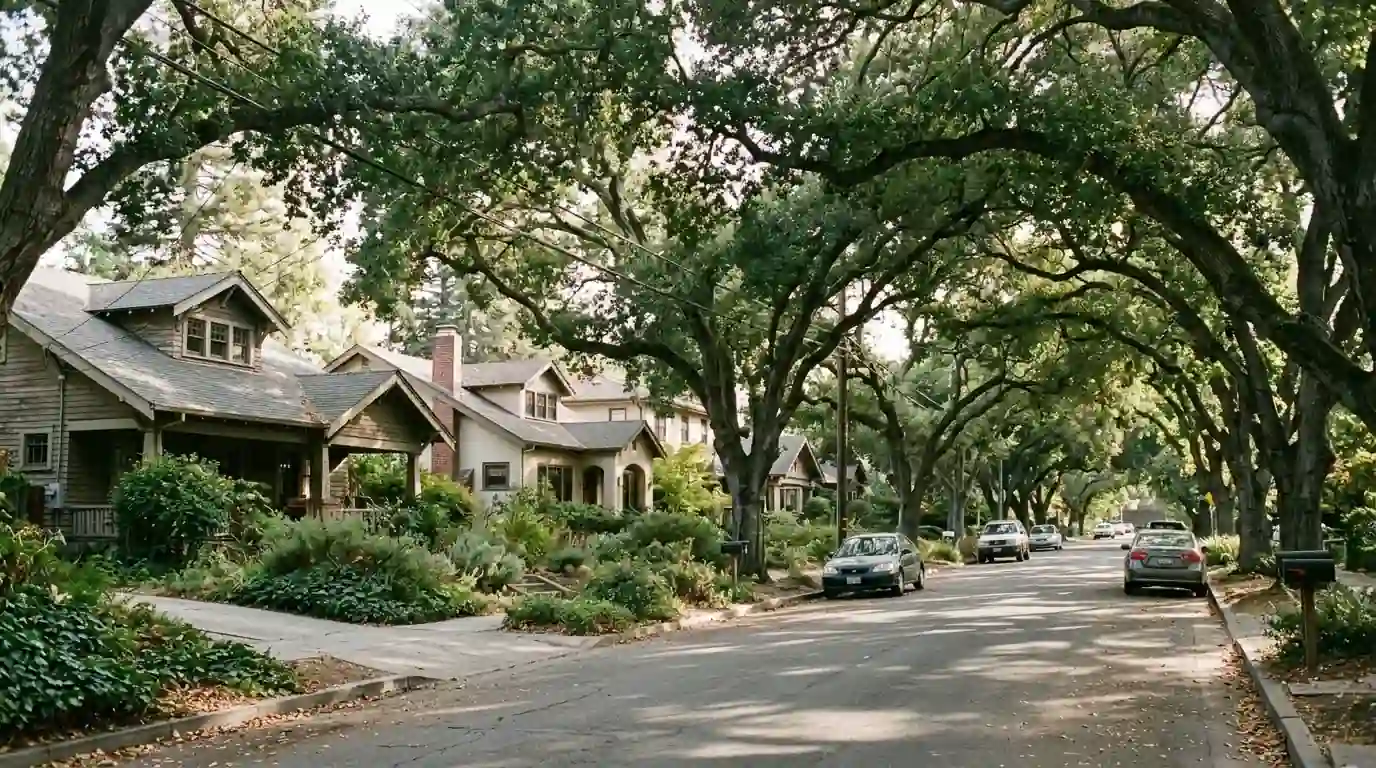
Palo Alto work is driven by two things: a lot of pre-war and mid-century housing, and a tree canopy that puts branches on half the rooflines in town.
Local focus
Short answer
Pest control in Palo Alto runs on the same catalog we use across the Bay Area, with the emphasis set by what this area actually produces: roof rats, subterranean termites and the conditions behind them. Phones are answered around the clock and crews route out from the San Jose service office.
The older housing stock here means raised foundations, original framing and crawl spaces that have been accessible to rodents for decades. Those same conditions are what subterranean termites exploit, so inspections in this city frequently turn up both at once.
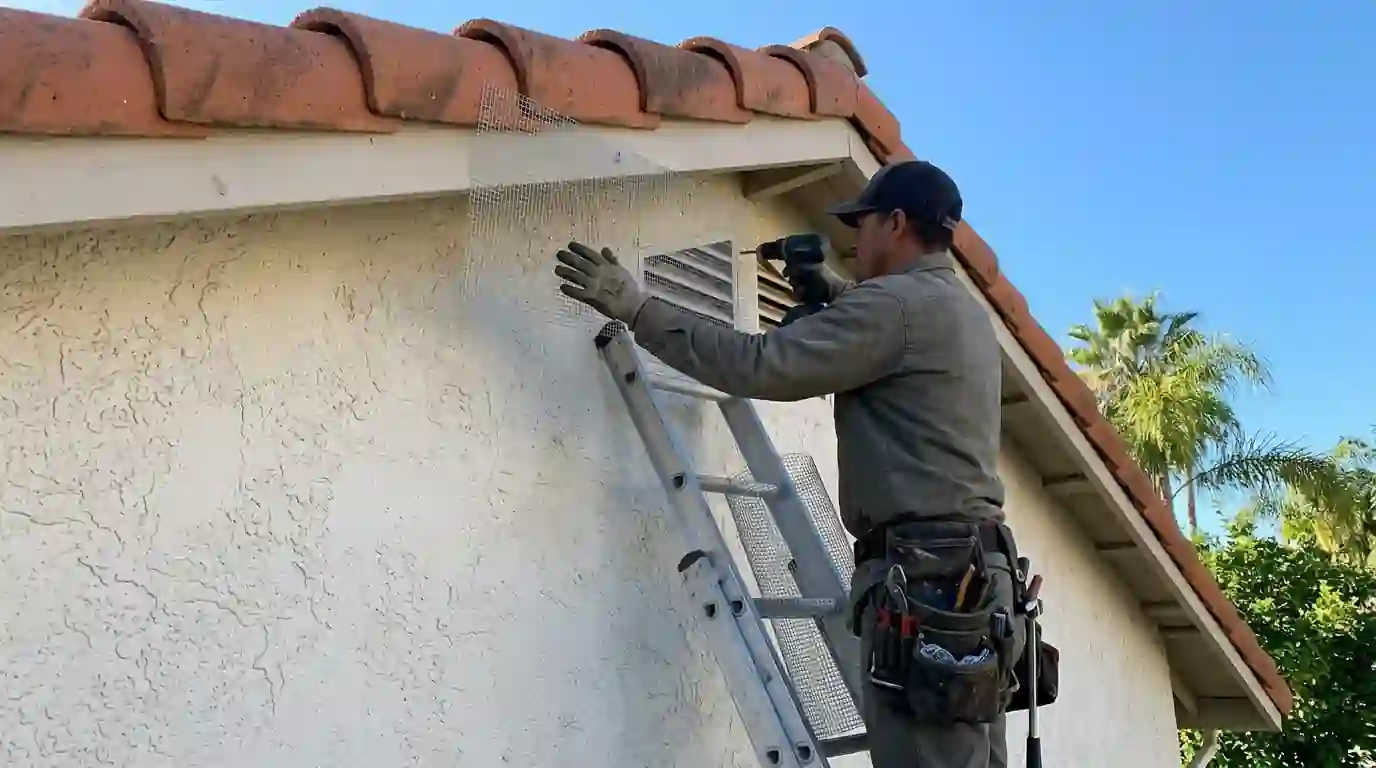
The canopy is the other half. Mature oaks, redwoods and street trees reach rooflines across the older neighborhoods, and roof rats use them the way other rodents use the ground. Trimming helps; sealing the eave line is what actually finishes it.
What we see here
Dense canopy reaching rooflines gives them a route that bypasses the ground entirely.
Older framing close to soil in the pre-war housing stock.
Year-round pressure, worse where irrigation runs against the foundation.
Creek corridors bring raccoons, skunks and opossums through yards after dark.
On the ground
Crews run out of the San Jose service office, and routing is built around the day rather than a fixed territory, so a wasp nest or a biting-pest call gets moved up regardless of which part of the coverage area it sits in. Inspections and scheduled service book within a few days.
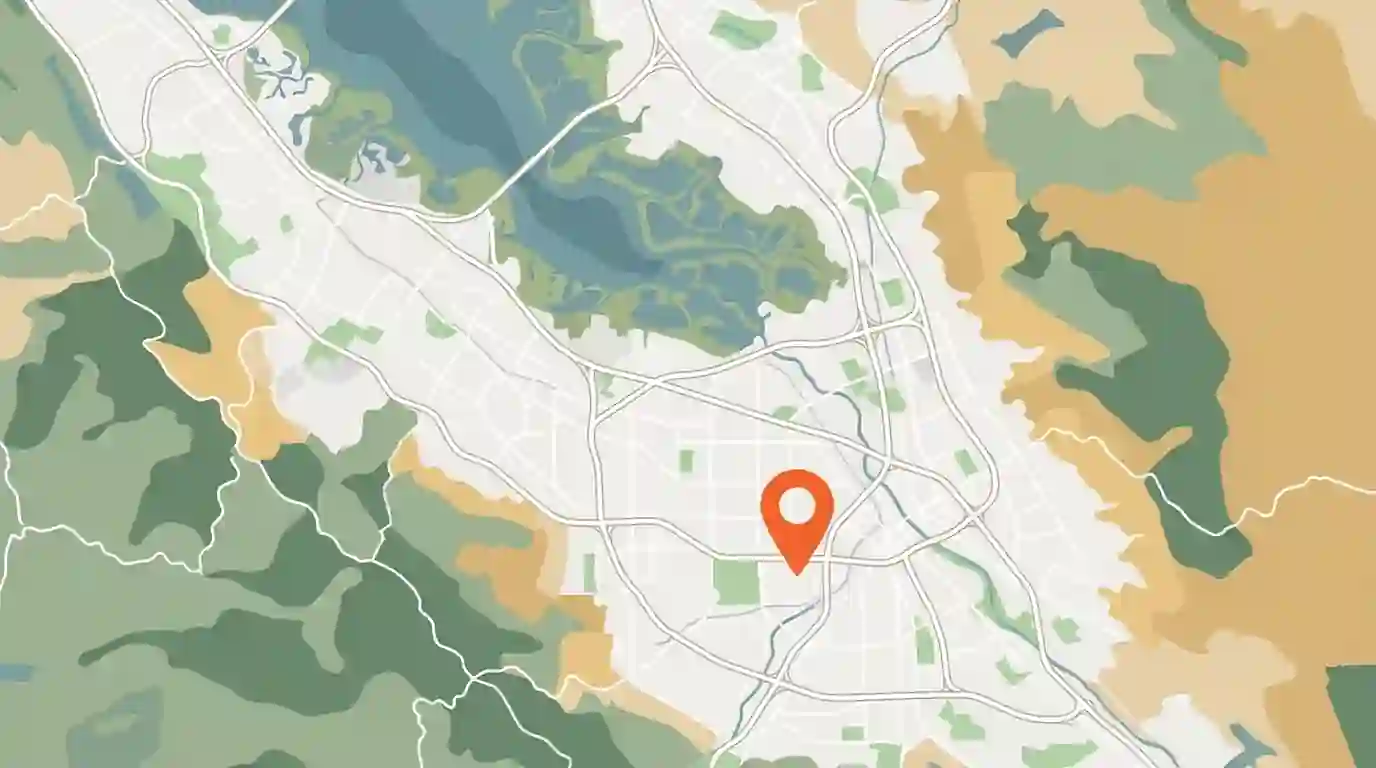
Coverage here takes in the older residential streets, the university-adjacent neighborhoods and the blocks backing onto the creek corridors. If you are just outside what is listed, call anyway and we will tell you plainly whether we can route to you rather than taking a booking we cannot keep.
Local detail
Pre-war and mid-century homes here come with raised foundations, original sill plates and crawl spaces that were never sealed properly. Those are the conditions subterranean termites and rodents both want, and they are usually in the same few feet of structure.
It also means an inspection takes longer and is worth more. Most of what matters in these houses is under the floor, and a technician who skips the crawl space has not inspected anything.
Palo Alto sits inside the same picture as the rest of the county: the roof rat is by far the most abundant rodent pest in Santa Clara County, and this city's canopy gives it one of the easiest routes to an attic anywhere in our coverage area. The practical consequence is that trimming alone rarely finishes a job here, because fences and utility lines carry them the rest of the way once the branches are cut back.
Straight answers
Yes, as part of the standard routing out of the San Jose service office. Call with the address and you will get a realistic window for the day.
Canopy. Branches reaching rooflines give them a route straight to the eave line, and older vents and gaps give them the way in once they are up there.
Pre-war framing sitting close to soil is the classic setup, so it is worth checking even with no symptoms. Plenty of first inspections on these streets find activity nobody suspected.
Most exterior and rodent work happens outside. Interior treatment is on request, which suits people who are out during the day.
One number, answered around the clock, and a written note on what was found.
Call (669) 369-0489 any hourWhere to find us