Short answer
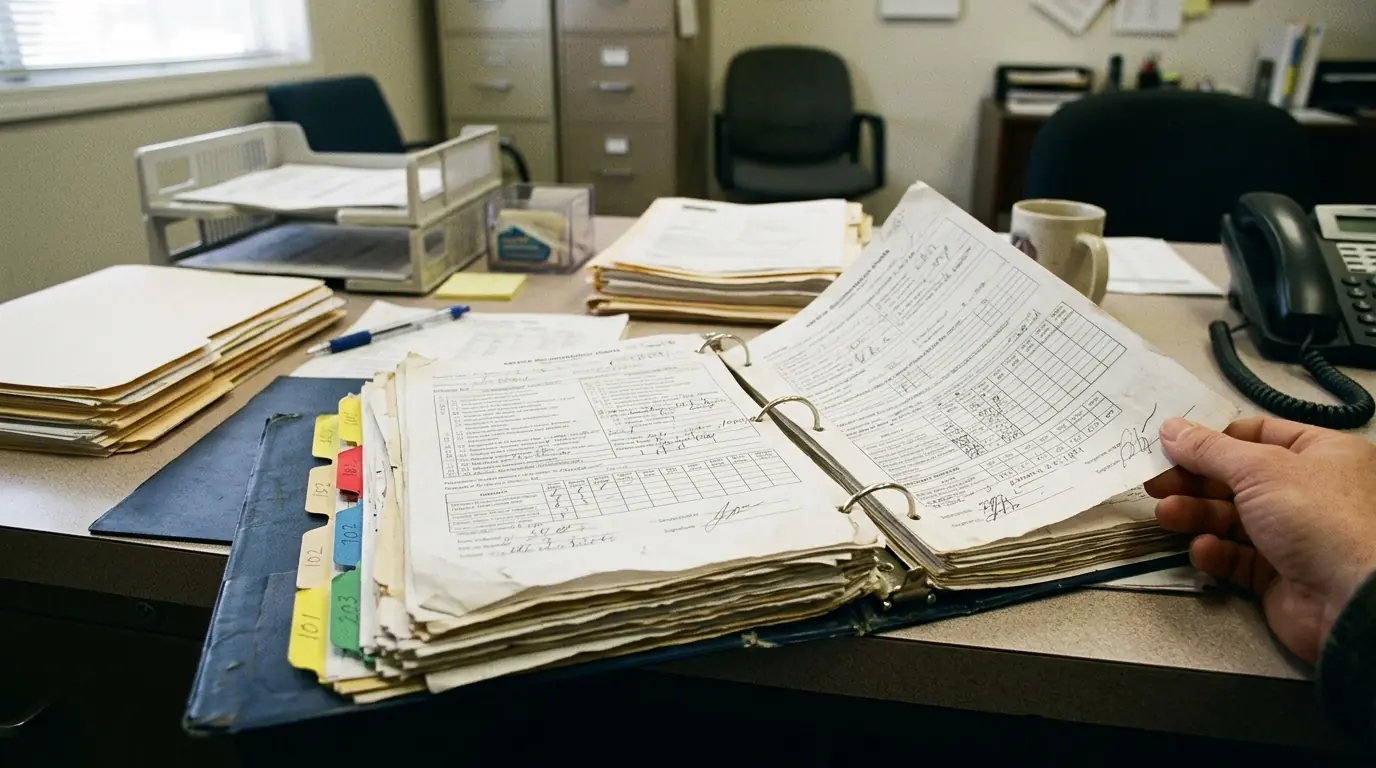
Pest control for San Jose property managers runs on coordination and records: visits scheduled around tenant notice requirements, adjoining units inspected rather than just the one that complained, turnover treatments timed between tenancies, and written documentation per unit so you can answer a tenant, an owner or an inspector with a record instead of a recollection.
The technical work in a multi-unit building is the same as in a house. What makes it different is everything around it: a complaint in unit 12 is usually a building problem, treating one unit while the neighbors stay untreated resets the clock, and tenants who do not prep properly can waste an entire visit.
The two pests that drive most portfolio work here are German cockroaches and bed bugs, both of which move between units through shared walls, plumbing chases and shared laundry. Treating them as building-level problems rather than unit-level complaints is the difference between a program and a recurring expense.
What portfolio pricing depends on
Managed properties are priced per visit against unit count and scope, with turnover and complaint response defined up front so nothing is a surprise line later.
| What moves the price | How it moves it |
|---|---|
| Unit count | The number of units in scope is the base of any portfolio quote. |
| Service model | Scheduled building service, complaint-response only, or a blend of both. |
| Common areas and exterior | Laundry, trash enclosures, breezeways and the perimeter add treated area. |
| Pest profile | Buildings with active German roach or bed bug history need more intensive programs. |
| Turnover volume | High-turnover properties use more vacant-unit treatments across a year. |
| Access requirements | Escorted access, restricted hours and key management all affect visit length. |
Quotes break out scheduled service, turnover treatments and complaint response separately so you can budget per building rather than per surprise.
Multi-unit scheduling
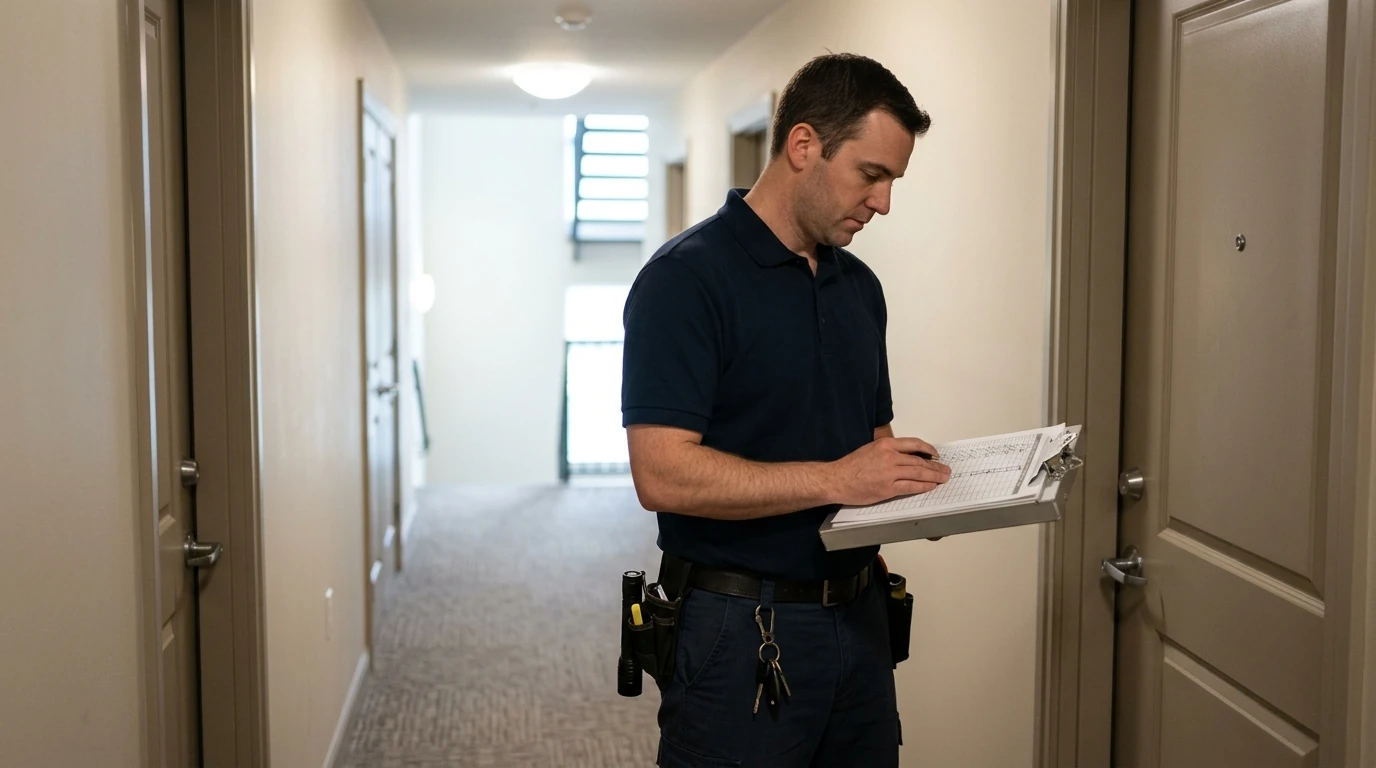
Service is planned around how your buildings actually work: notice periods, access windows, which units need keys or escorts, and which tenants have pets, infants or medical considerations. For a complaint-driven call we inspect the adjoining and above-below units as standard, since that is where the source frequently sits. Each visit produces a per-unit record of what was inspected, found and done, which is what you need when an owner asks why unit 12 is on the third visit.
Turnover treatments
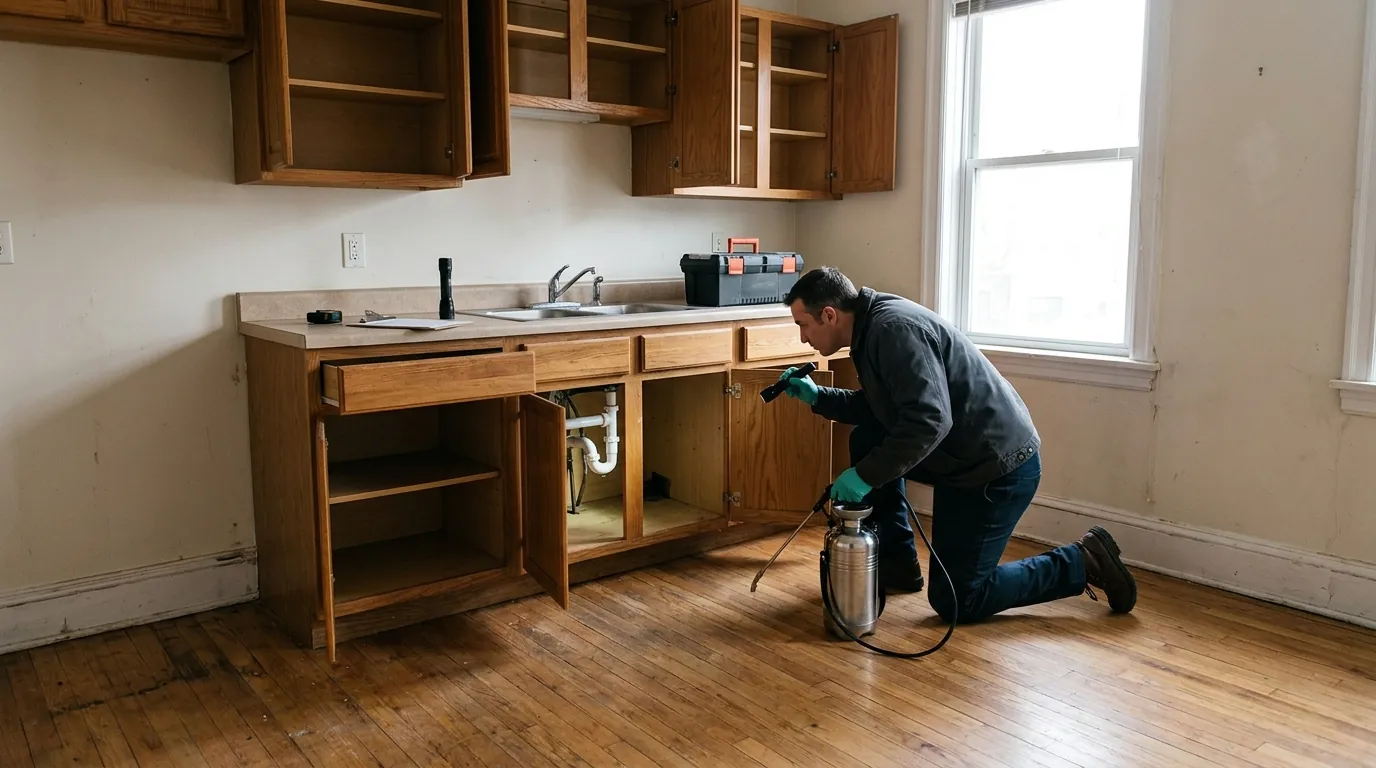
The empty-unit window is the most valuable opportunity in this business and the easiest to miss. With no furniture, no belongings and no tenant to coordinate with, an empty unit can be inspected and treated thoroughly in a fraction of the time, and anything left behind by the previous tenancy gets caught before the next one moves in and inherits it. Turnover work is also the cleanest moment to seal gaps, fit door sweeps and screen vents, which pays off across every future tenancy.
What portfolio service includes
This is the standing scope for managed properties, adjusted to the building rather than applied from a template.
- Scheduling built around notice requirements and access windows
- Adjoining and above-below unit inspection on every complaint-driven call
- Common area service: laundry rooms, trash enclosures, breezeways, storage
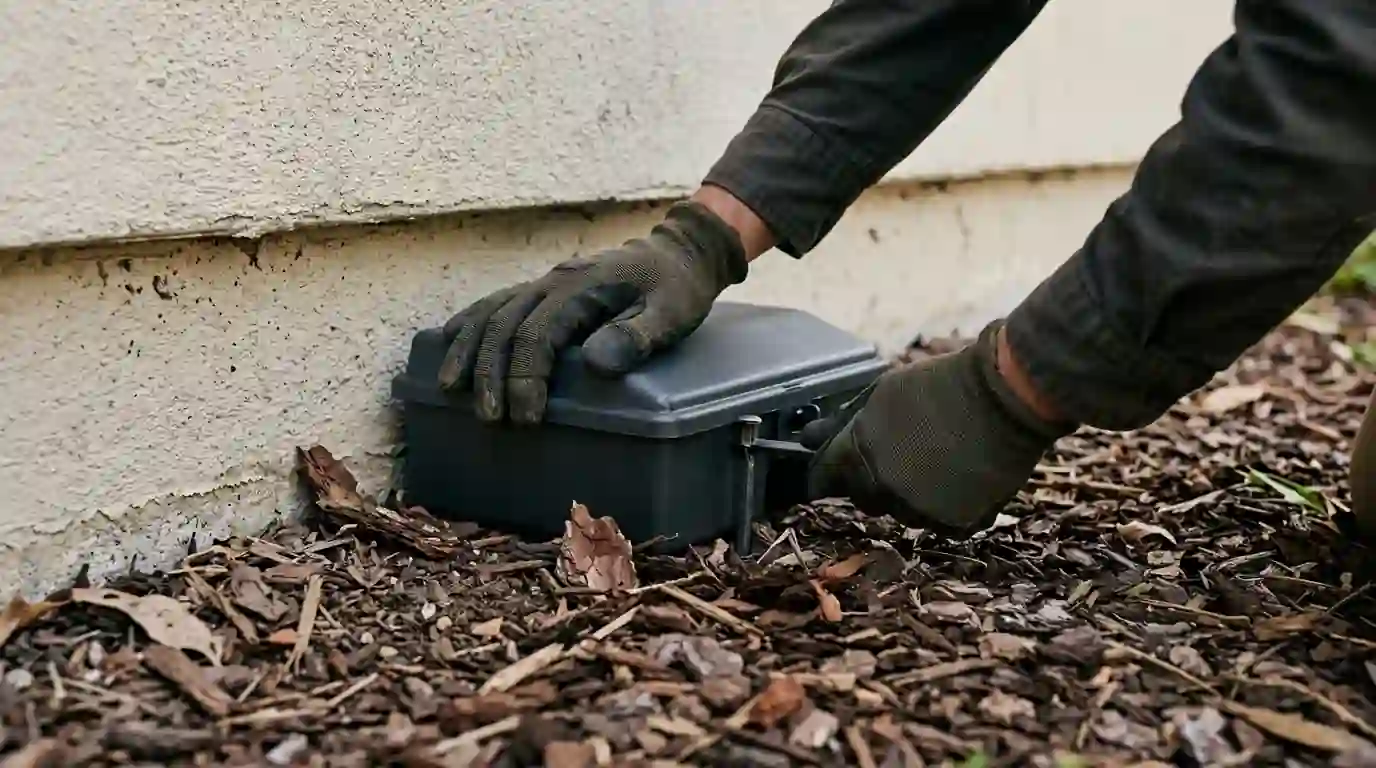
- Exterior perimeter and rodent work across the whole property
- Turnover treatments timed to vacant windows
- Tenant prep instructions supplied in writing so visits are not wasted
- Per-unit written records of findings and actions
- A single point of contact who knows your buildings
How portfolio work gets set up
Portfolio walkthrough
Buildings, unit counts, common areas, exteriors and known problem units get mapped.
Set the plan
Scheduled service, complaint response and turnover work are defined with timelines.
Coordinate access
Notices, prep instructions and key or escort arrangements get agreed before visits.
Service and document
Treatment runs on the plan, with a written per-unit record from every visit.
Review the pattern
Repeat complaints by unit show where a structural fix beats another treatment.
Same unit complaining for the third month? Let us look at the building.
Call (669) 369-0489What we see around San Jose
German cockroach populations run extremely high across San Jose and the wider South Bay, and in multi-unit housing that single fact shapes everything. A roach complaint in one unit is a building question by default here, because shared walls and plumbing chases make neighboring units the likeliest source and the likeliest next complaint. Inspecting the adjoining units on the first call is not an upsell; it is the only version of the job that actually resolves anything.
Related reading: how to choose a pest company.