Subterranean termites
Damp soil and wooded lots make this the dominant structural issue.
Coverage
Over the hill the climate does most of the work for the pests. Damp, wooded and cooler, Santa Cruz County is harder on structures than anywhere else we cover.
Local focus
Short answer
Pest control in Santa Cruz County runs on the same catalog we use across the Bay Area, with the emphasis set by what this area actually produces: subterranean termites, wood-boring beetles and the conditions behind them. Phones are answered around the clock and crews route out from the San Jose service office.
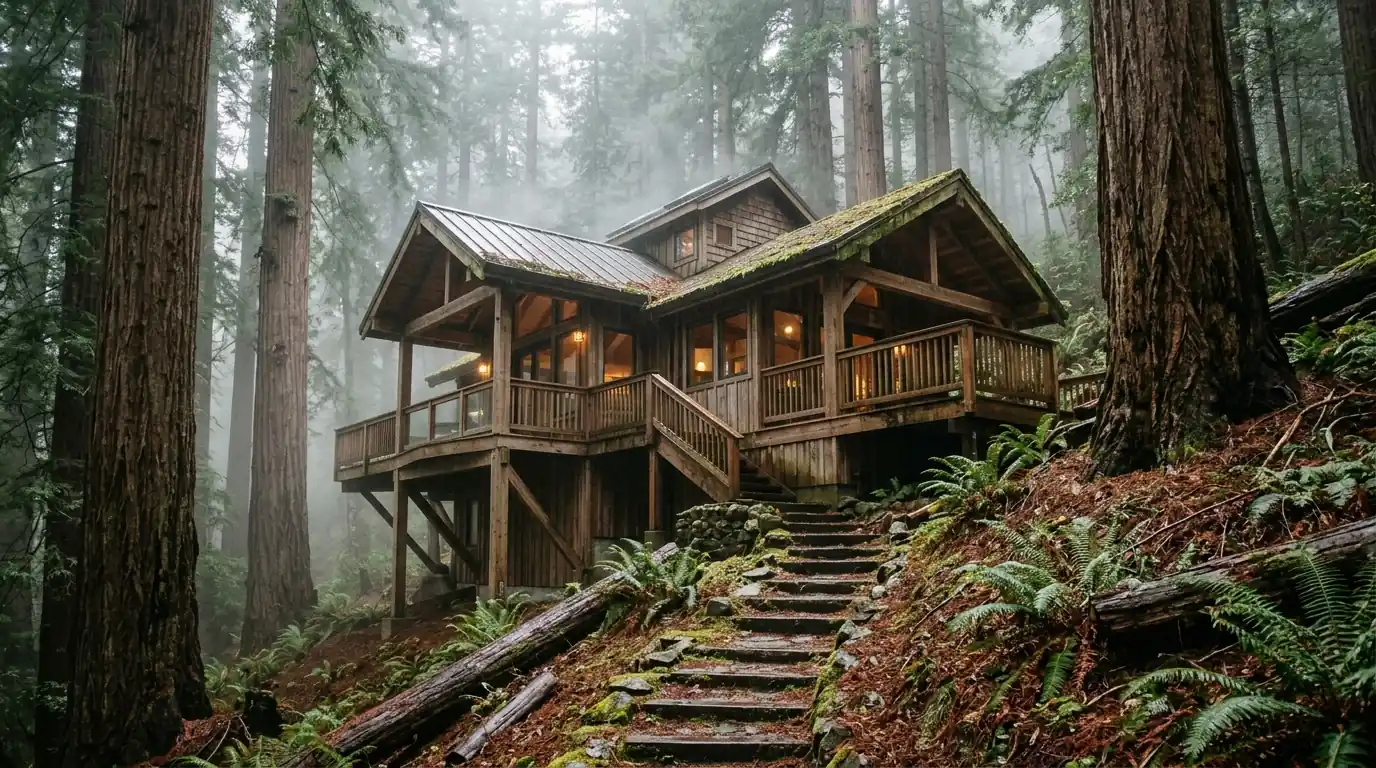
Moisture is the defining factor here. Redwood canopy, coastal fog and winter rain keep wood damp for long stretches, which is ideal for subterranean termites, wood-boring beetles and the fungal decay that softens framing ahead of both. Homes built into wooded slopes get the full version of this.
Wildlife pressure is higher too. Properties bordering forest and open space see raccoons, skunks, woodrats and bats with a regularity that surprises people moving from flatter suburbs, and the sealing work that keeps them out matters more than the removal itself.
What we see here
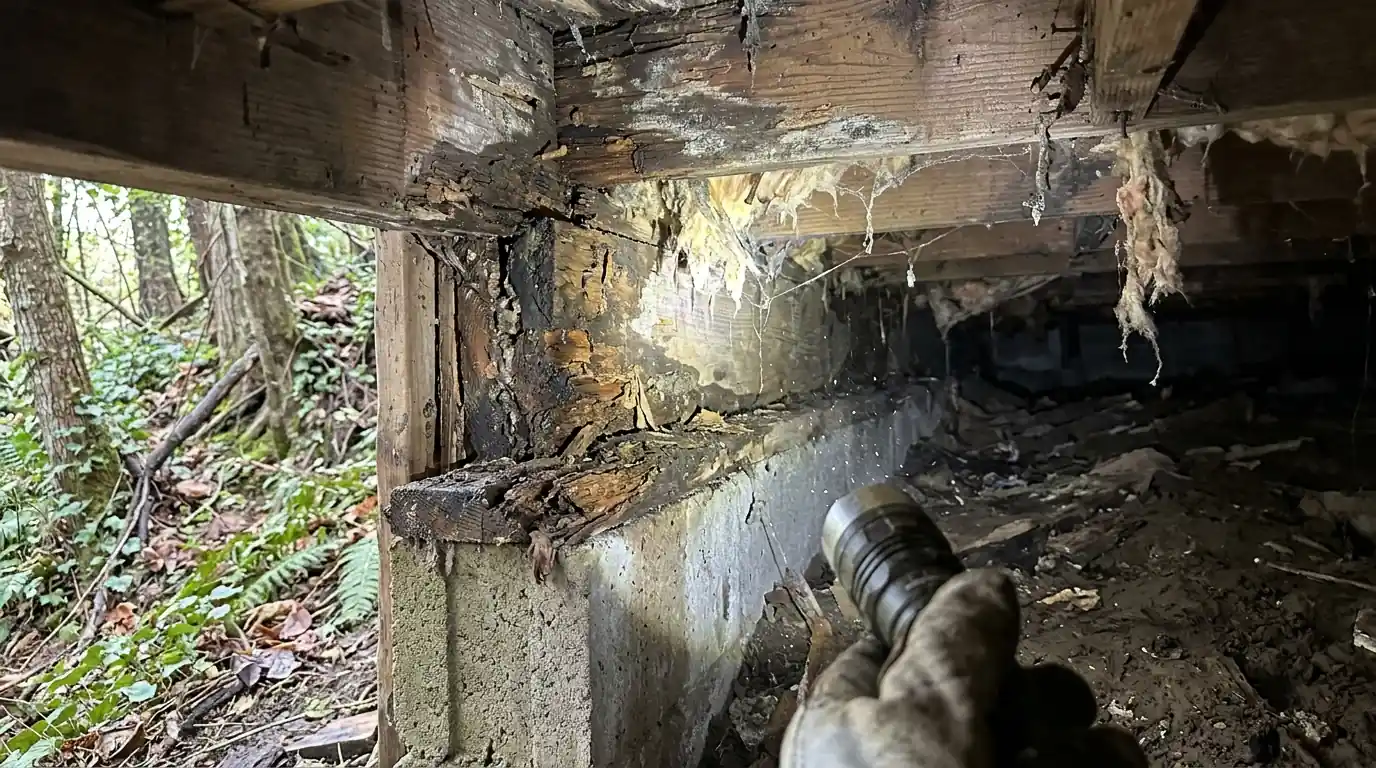
Damp soil and wooded lots make this the dominant structural issue.
Deathwatch beetles work damp softwood framing in older cabins and crawl spaces.
Forest-adjacent properties see raccoons, skunks and bats looking for dry roosts.
Wet wood from leaks and canopy shade is exactly what they nest in.
On the ground
Crews run out of the San Jose service office, and routing is built around the day rather than a fixed territory, so a wasp nest or a biting-pest call gets moved up regardless of which part of the coverage area it sits in. Inspections and scheduled service book within a few days.
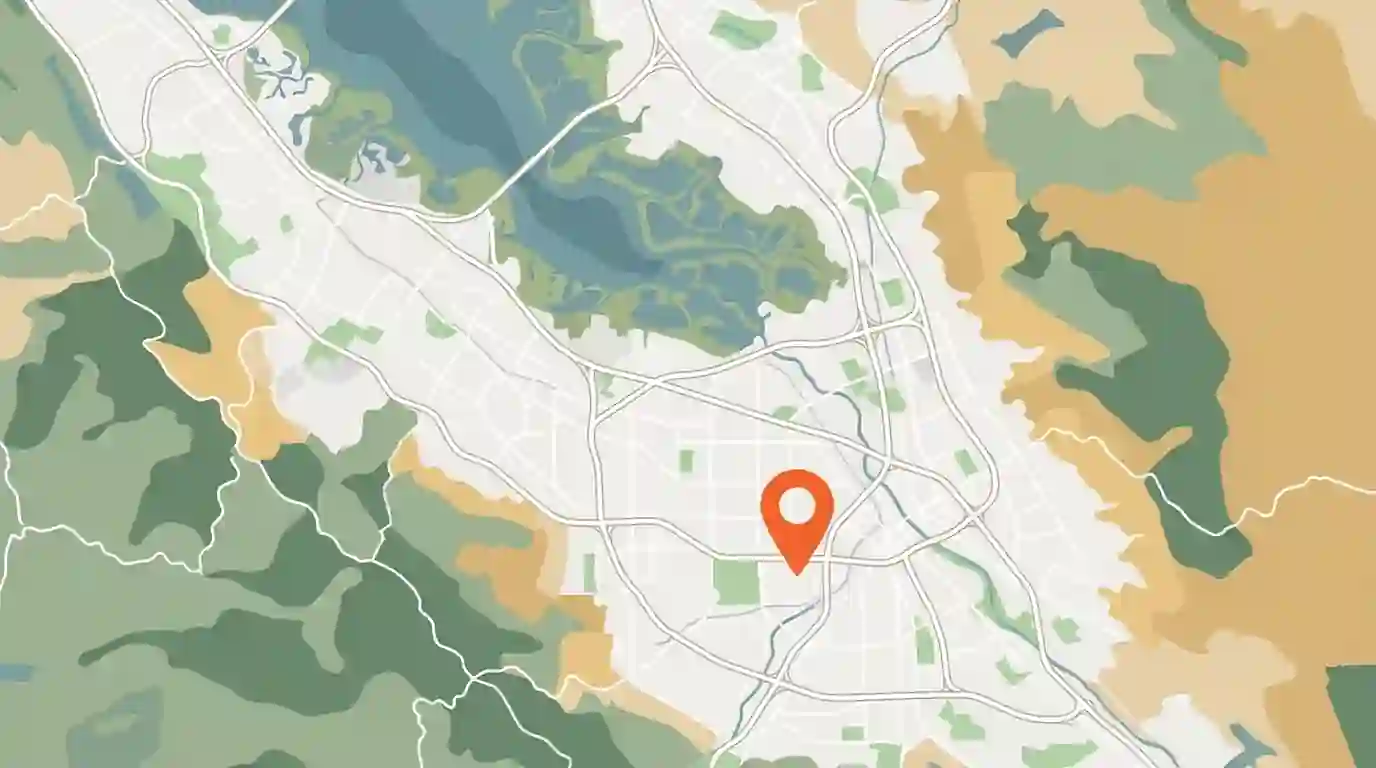
Coverage here takes in Scotts Valley, Felton, Capitola, Soquel and the wooded properties along the highway corridor. If you are just outside what is listed, call anyway and we will tell you plainly whether we can route to you rather than taking a booking we cannot keep.
Local detail
Hillside and wooded properties here come with practical constraints: long driveways, steep access, crawl spaces cut into slopes and outbuildings well away from the house. All of that affects how long a job takes and what equipment comes along, which is why quotes follow a site visit rather than a phone estimate.
It also affects sealing work. Rodent and wildlife exclusion on a house built into a slope involves ground contact points a flat-lot home simply does not have, and those are the points that get missed when somebody prices the job from a photo.
Moisture is the whole story over the hill. Redwood canopy, coastal fog and winter rain keep framing damp long enough for subterranean termites, deathwatch beetles and decay to work together, and forest-adjacent lots add wildlife looking for a dry roost. Inspections here spend more time on crawl spaces than anywhere else we cover, because the conditions under the floor usually explain whatever is happening above it.
Straight answers
Yes, as part of the regular schedule. Access and driveway conditions affect timing more than the mileage does, so mention them when you call.
Not always, but it is always worth looking at. Decay, beetles and subterranean termites all exploit the same conditions, and sorting out which you have is what the inspection is for.
Yes. Forest-adjacent properties see raccoons, skunks and bats regularly, and the exclusion work matters more than the removal on those jobs.
Because terrain and access change the work substantially here. A photo cannot show the slope, the crawl space clearance or the outbuilding we also need to seal.
One number, answered around the clock, and a written note on what was found.
Call (669) 369-0489 any hourWhere to find us