Drywood termites
The specialty, with local treatment and orange oil options as well as fumigation.
Coverage
The North Bay is where this operation's termite experience was built, and Sonoma County work still runs on the same inspection-first habits.
Local focus
Short answer
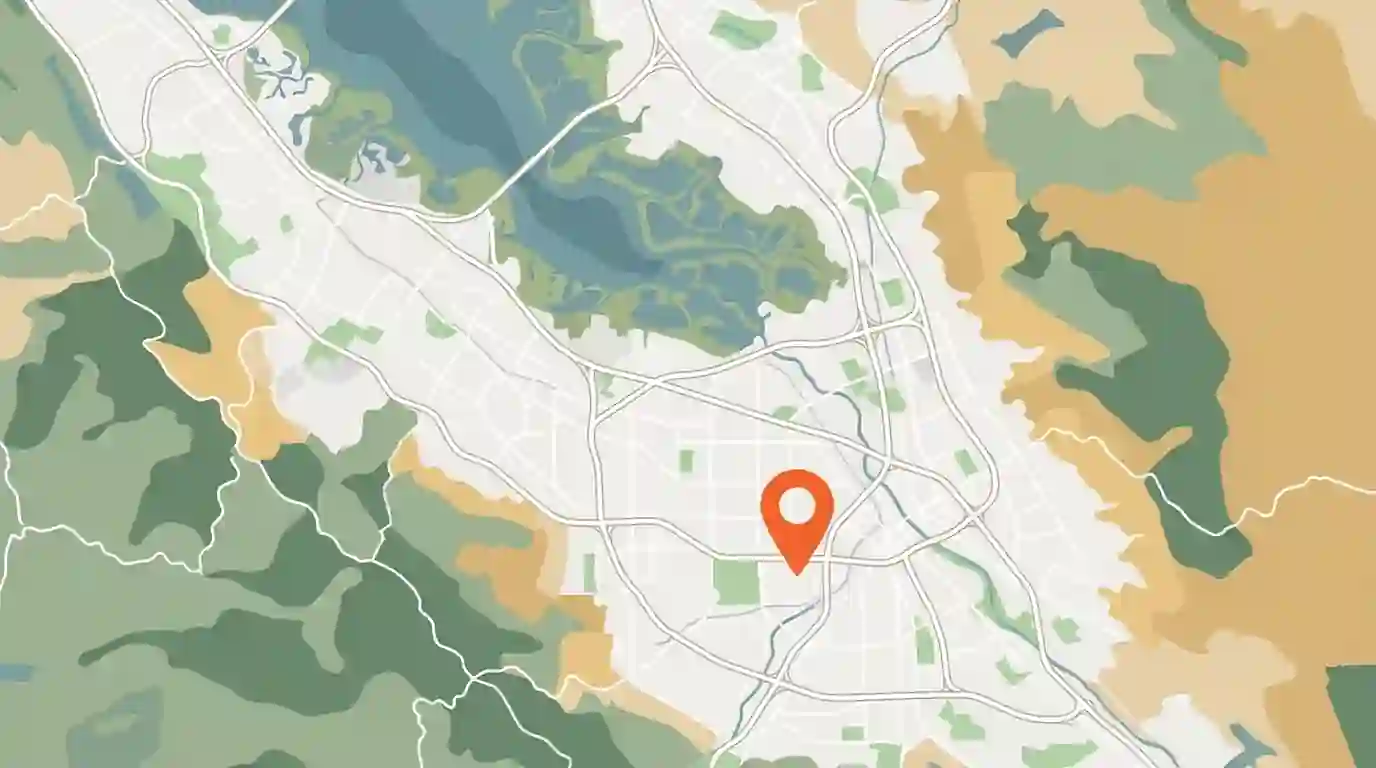
Pest control in Sonoma County runs on the same catalog we use across the Bay Area, with the emphasis set by what this area actually produces: drywood termites, subterranean termites and the conditions behind them. Phones are answered around the clock and crews route out from the San Jose service office.
Our crew has served the North Bay, Sonoma, Marin and Napa counties, for years, with wood-destroying organism inspection and drywood termite treatment including orange oil as a regular part of the schedule. That history is the reason termite work gets the detail it does on this site rather than being a line on a service list.
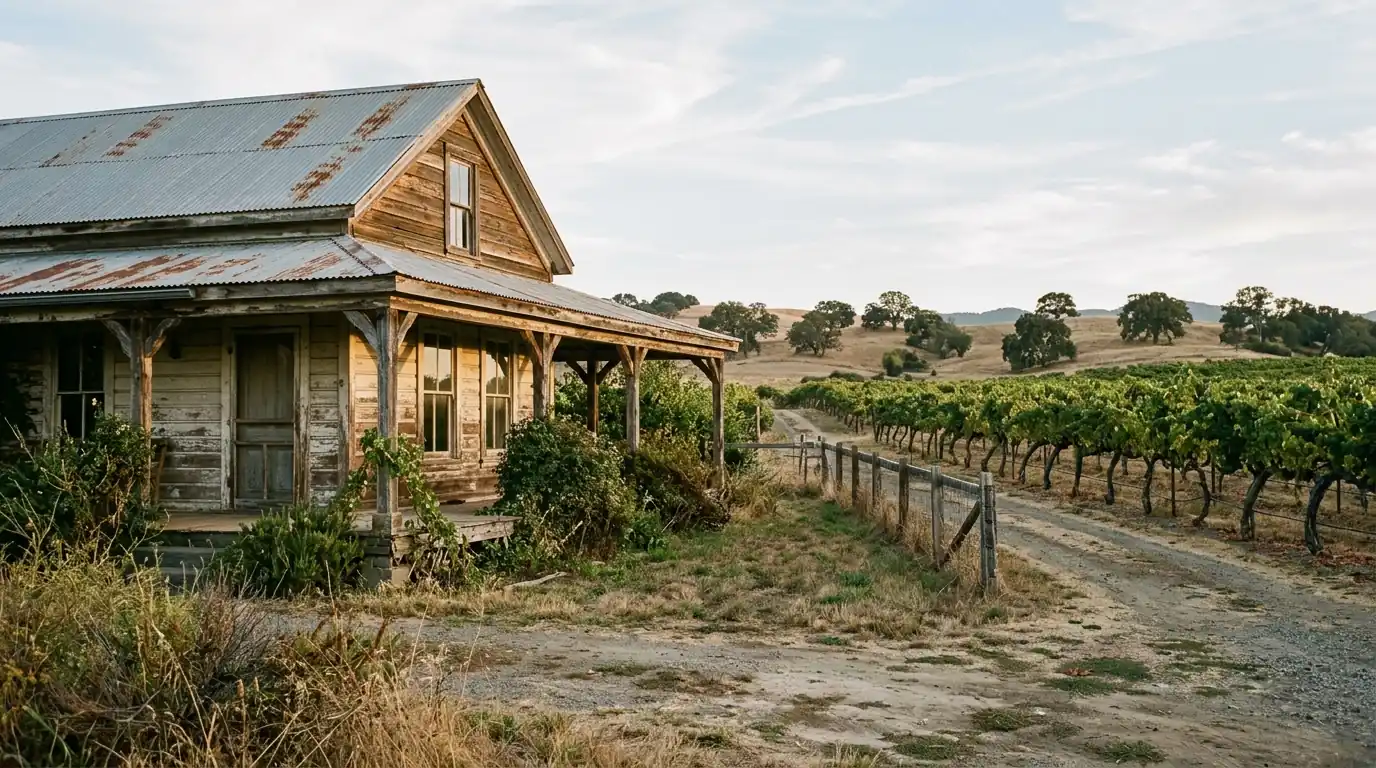
Sonoma County's own pest picture reflects its building stock and landscape: older homes with original framing, properties backing onto vineyard and open ground, and enough rural edge that rodent and wildlife pressure stays constant rather than seasonal.
What we see here
The specialty, with local treatment and orange oil options as well as fumigation.
Soil colonies in the older housing stock and rural properties.
Rural and vineyard edges keep pressure on structures year-round.
Open ground borders mean skunks, opossums and raccoons working the outbuildings.
On the ground
Crews run out of the San Jose service office, and routing is built around the day rather than a fixed territory, so a wasp nest or a biting-pest call gets moved up regardless of which part of the coverage area it sits in. Inspections and scheduled service book within a few days.
Coverage here takes in Santa Rosa, Rohnert Park, Petaluma, Windsor and the properties out toward the vineyard edges. If you are just outside what is listed, call anyway and we will tell you plainly whether we can route to you rather than taking a booking we cannot keep.
Local detail
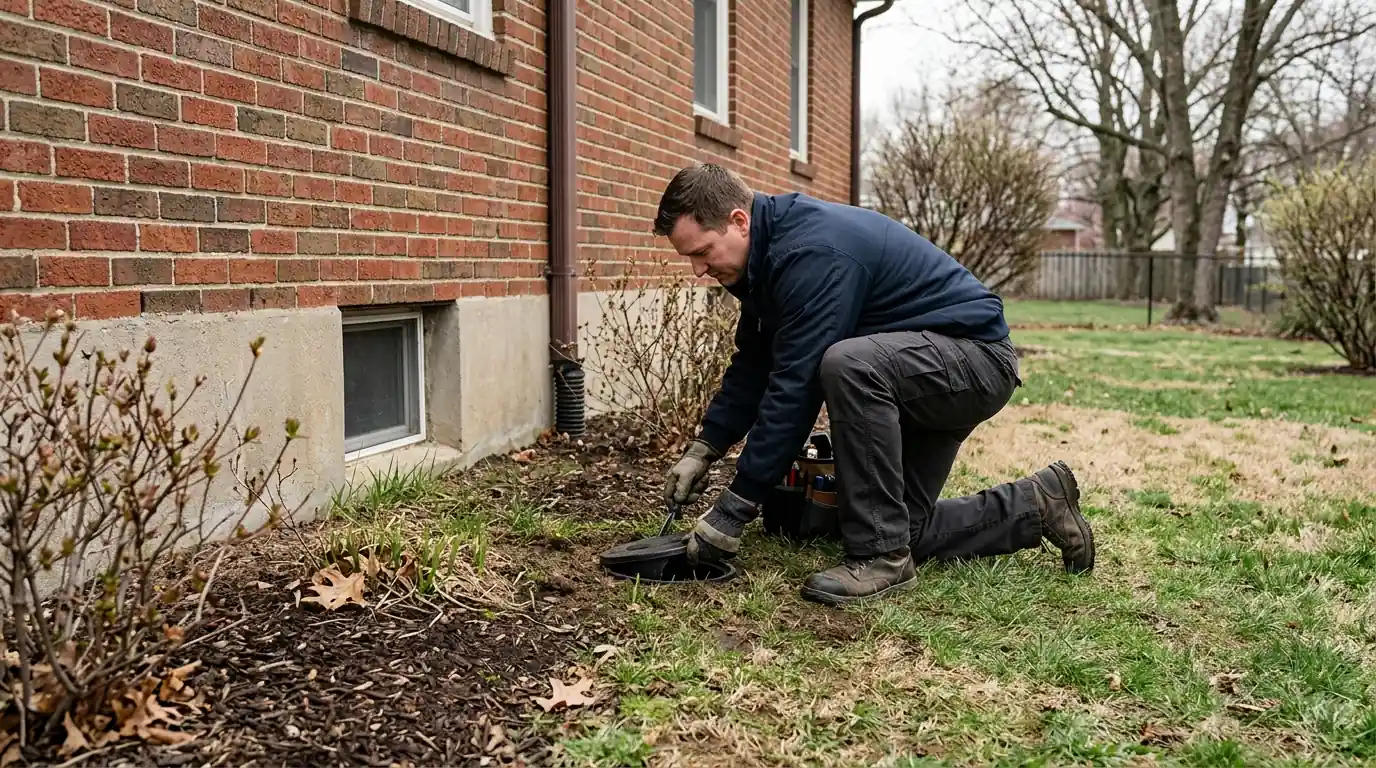
Termite work here follows the same sequence it does anywhere else we operate: inspect the whole structure, separate active damage from historic, then lay out local treatment and whole-structure options with both prices in writing. Nothing gets recommended before the findings exist.
Rodent and wildlife work on rural and vineyard-edge properties leans heavily on exclusion. Outbuildings, barns and older farmhouses have more openings than suburban homes, and trapping without sealing on a property surrounded by open ground is a subscription rather than a fix.
This operation has served the North Bay, Sonoma, Marin and Napa counties, for years with wood-destroying organism inspection and drywood termite treatment including orange oil as one of the options on the table. That is the background behind how termite work is handled on every job we take, and it is why the inspection always comes first and the method conversation comes second, with both prices in writing.
Straight answers
Because this is where the crew's wood-destroying organism and drywood termite experience was built, and that work continues alongside the South Bay schedule.
Yes, as one option among several for drywood colonies. It is a local treatment material, not a substitute for whole-structure coverage, and we will explain exactly where that line falls for your findings.
Yes. Barns, sheds and older farmhouses have more openings than suburban homes, which makes exclusion the bulk of the rodent work out here.
In writing, with the inspection findings and both local treatment and whole-structure prices, so the decision is yours on evidence rather than on a recommendation alone.
One number, answered around the clock, and a written note on what was found.
Call (669) 369-0489 any hourWhere to find us