Argentine ants
Dense foundation planting and irrigation keep trails coming year-round.
Coverage
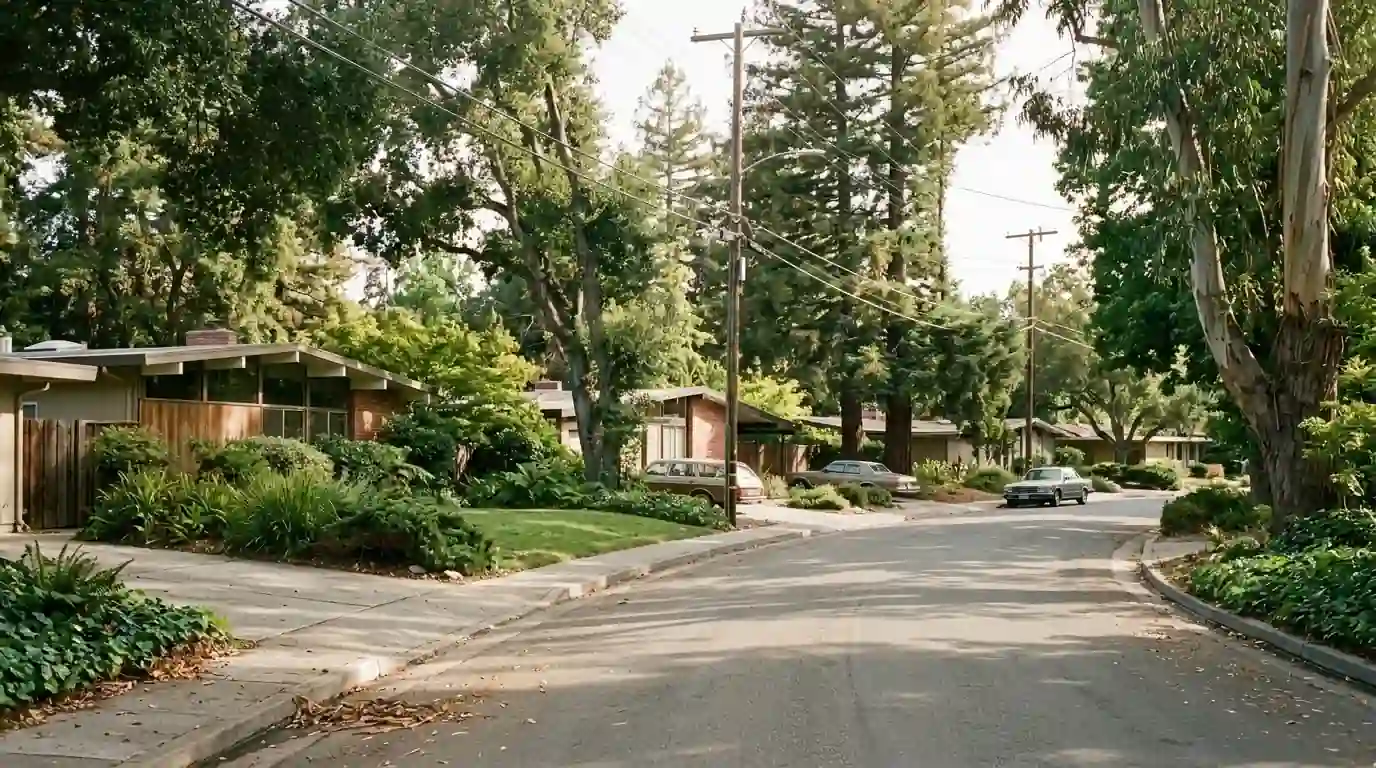
Cupertino's neighborhoods are mostly settled mid-century tracts with heavy landscaping, which produces a predictable mix: ants, rodents at the roofline and the occasional wildlife call.
Local focus
Short answer
Pest control in Cupertino runs on the same catalog we use across the Bay Area, with the emphasis set by what this area actually produces: Argentine ants, roof rats and the conditions behind them. Phones are answered around the clock and crews route out from the San Jose service office.
The housing here is largely from the fifties through the seventies, now with forty or fifty years of landscaping grown up around it. Dense foundation planting, irrigation close to the wall and mature trees over the roof are the three things that drive most of the calls we take in this city.
It is also a quiet-pressure city rather than a crisis one. Most Cupertino jobs are recurring ant trails, rodent entry at vents and garage doors, and spiders in garages, which is exactly the profile scheduled exterior service handles better than repeat emergency calls.
What we see here
Dense foundation planting and irrigation keep trails coming year-round.
Mature trees and aging vents give them the usual route into attics.
Garages and eaves collect webbing wherever exterior lighting runs all night.
Foothill-edge streets see skunks and raccoons working the fence lines.
On the ground
Crews run out of the San Jose service office, and routing is built around the day rather than a fixed territory, so a wasp nest or a biting-pest call gets moved up regardless of which part of the coverage area it sits in. Inspections and scheduled service book within a few days.
Coverage here takes in the mid-century residential tracts, the neighborhoods against the foothill edge and the blocks around the main corridors. If you are just outside what is listed, call anyway and we will tell you plainly whether we can route to you rather than taking a booking we cannot keep.
Local detail
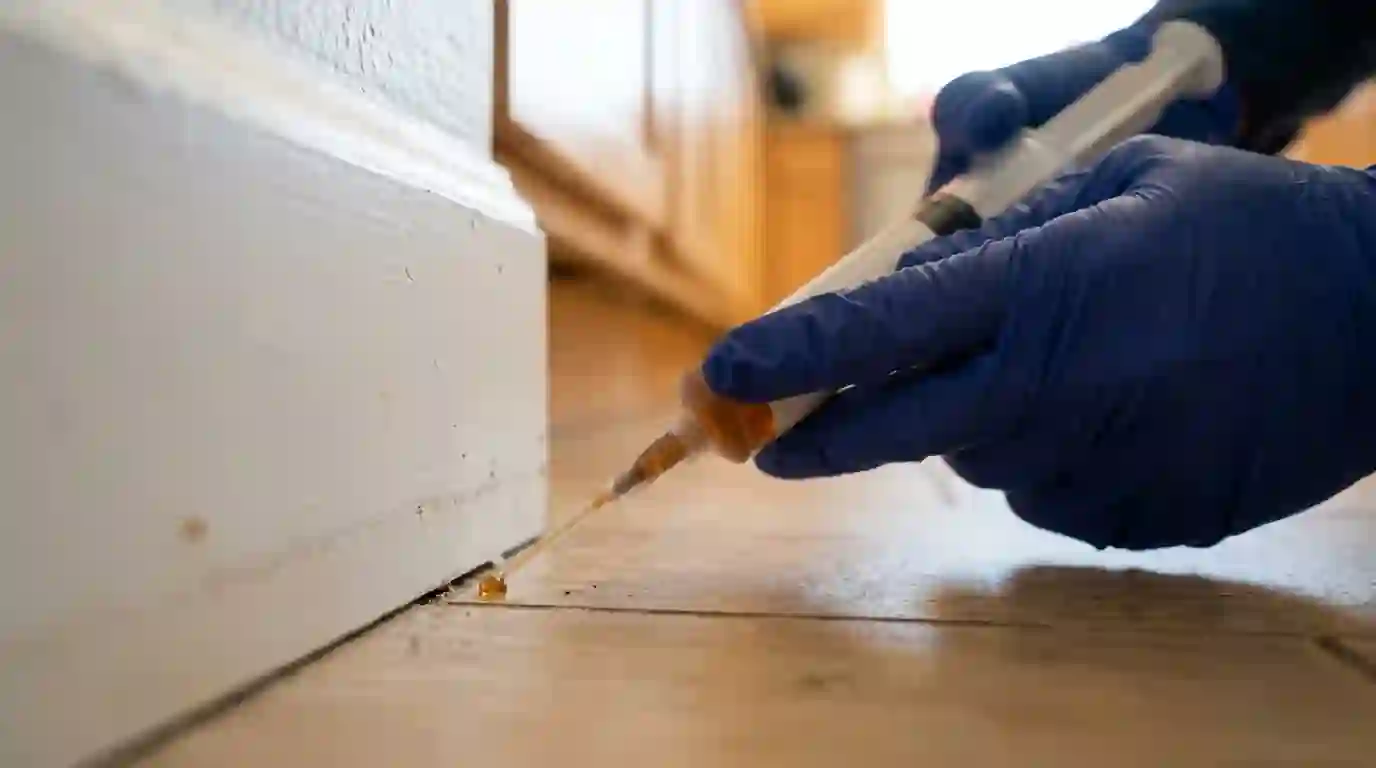
On settled lots, the single biggest change a homeowner can make is at the foundation line: mulch pulled back a few inches, groundcover trimmed off the wall, and sprinklers aimed away from the stucco. Those three moves cut ant and moisture-pest pressure before any treatment.
It also makes treatment last longer. An exterior band applied to a dry, clear foundation strip holds far better than one applied into damp mulch piled against the wall.
Cupertino sits in the middle of the valley-wide Argentine ant picture: supercolonies that run year-round with no seasonal break, scattering into new entry points when hit with over-the-counter repellent sprays. With dense foundation planting on most of these lots, the practical fix is almost always exterior work plus pulling mulch and groundcover back from the wall rather than anything applied indoors.
Straight answers
Depends on the pest. Ant and rodent pressure here is continuous, which usually favors a schedule. A wasp nest or a one-off spider flare-up is a single visit, and we will say which yours is.
Repellent sprays kill foragers and push the trail to a new entry point. Baiting the colony is what reduces it.
Yes, and those lots see more wildlife and more tick pressure than the flat tracts. The edge gets managed rather than treated once.
Phones are answered around the clock, with urgent stinging-insect work moved up. Routine visits usually book within a few days.
One number, answered around the clock, and a written note on what was found.
Call (669) 369-0489 any hourWhere to find us