Short answer
Moles and voles damage San Jose lawns in completely different ways: moles push up ridged tunnels hunting grubs and worms, while voles chew surface runways through groundcover and strip bark off young plants. Trapping is what actually works for both, and it only works when the traps sit on runs that are still active. Identification comes first on every visit.
The confusion costs people money. Moles are insectivores; they don't eat your plants, they tunnel after the grubs and earthworms under them, and the root damage is collateral. Voles are small rodents that do eat plants, working surface runways under mulch and ivy and girdling the base of young trees and shrubs.
That difference decides everything downstream. Mole work targets deep runs with below-ground traps; vole work targets surface runways and the cover that hides them. Poison baits broadcast across a lawn mostly feed everything except the animal causing the problem, which is why we run a trap-based program and tell you plainly when a landscaping change would do more than another visit.
What sets the price on mole and vole work
This is trap-and-service work, so the price tracks how many active runs there are and how many visits it takes to quiet them.
| What moves the price | How it moves it |
|---|---|
| Affected area | A single front lawn is a different job from a terraced property with beds on every level. |
| Number of active runs | Each run that has to be trapped and serviced adds time on every visit. |
| Species involved | Properties with both moles and voles need two different trap programs running at once. |
| Visit count | Stubborn yards near open ground need more resets before the activity stops. |
| Access and terrain | Slopes, heavy groundcover and fenced sections slow placement and checking. |
| Re-invasion pressure | Lots bordering fields or creeks may need periodic service rather than a one-time fix. |
No published local market range covers mole and vole trapping, so the quote comes from the yard walk rather than an average.
Surface tunnel trapping
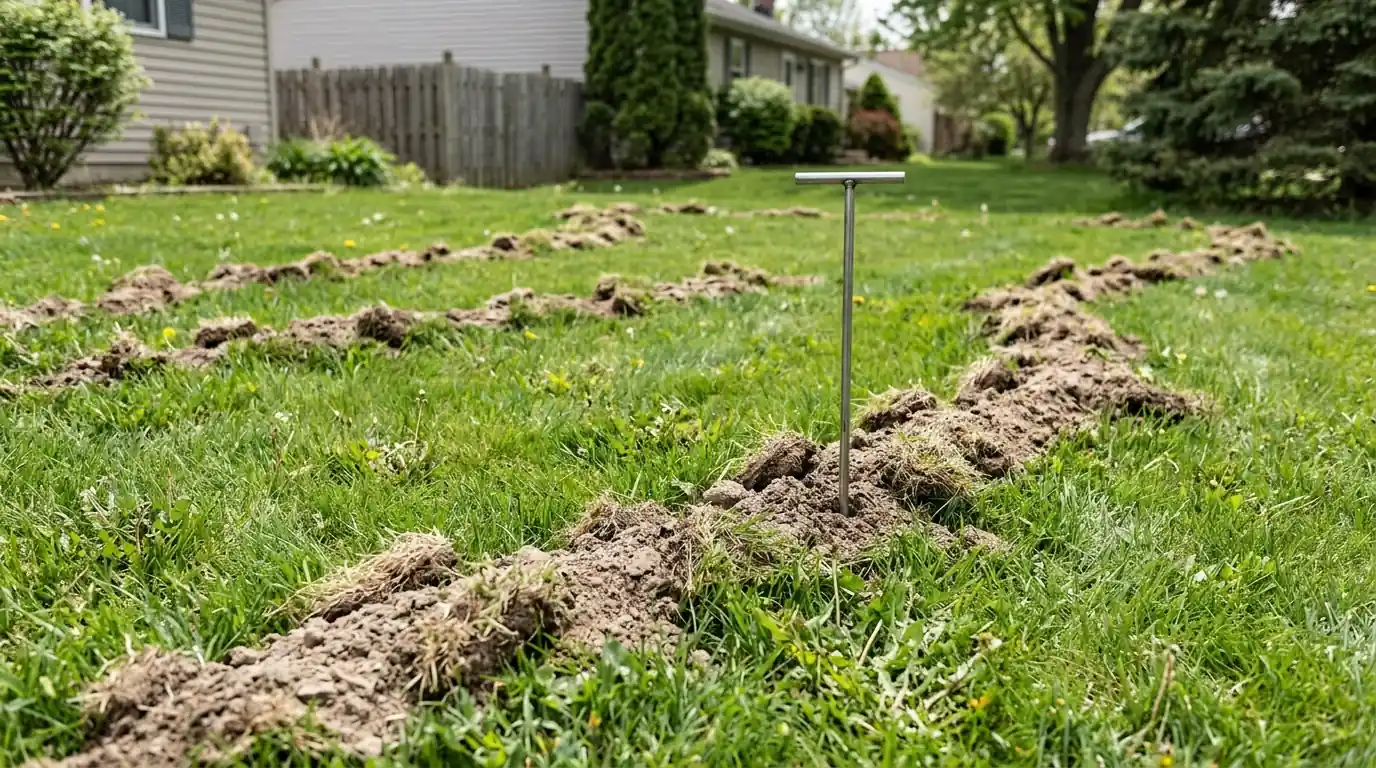
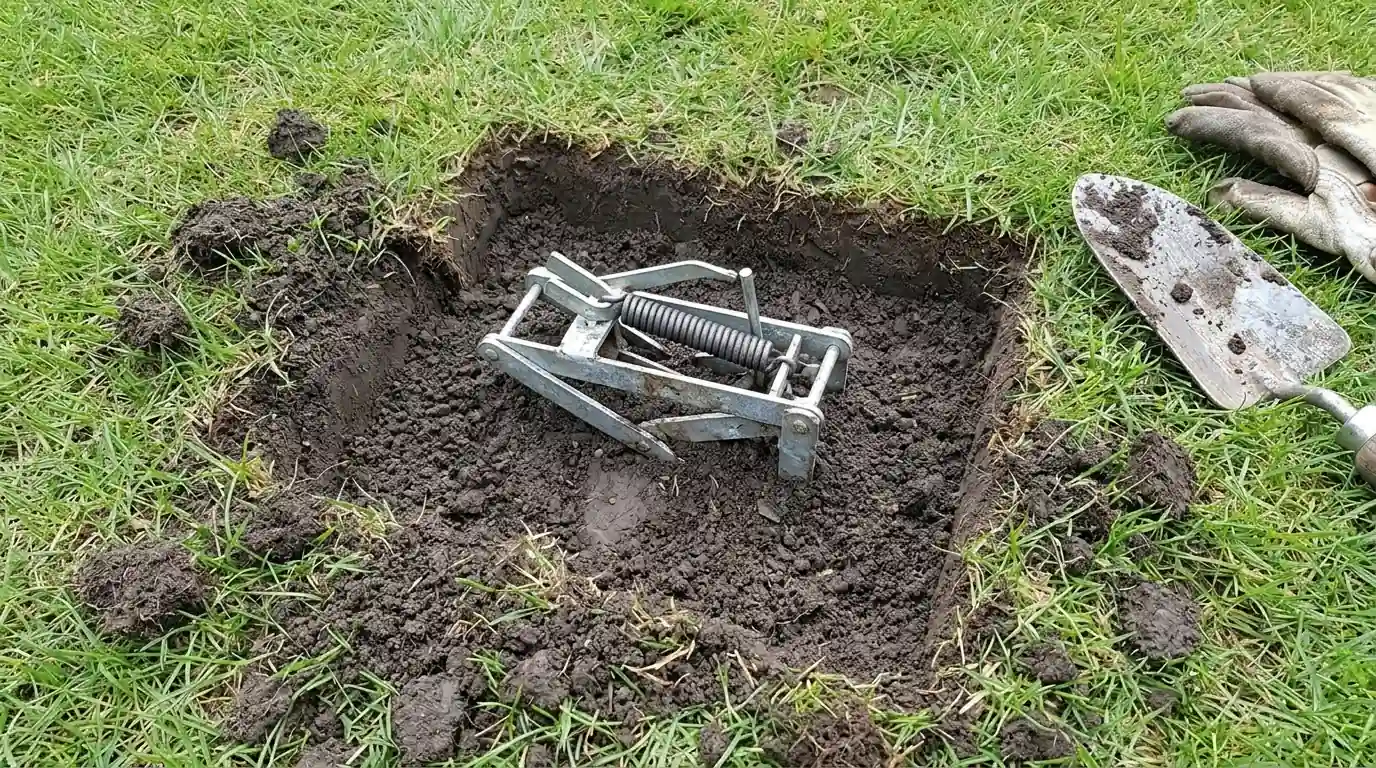
Mole tunnels come in two kinds and only one is worth trapping. The meandering surface ridges are feeding runs, often used once and abandoned; the straight deeper runs connecting them are the highways, and that's where traps go. We find them by probing and by collapsing a short section and checking in a day to see what gets repaired. Traps set in repaired, actively used runs do the job in a matter of days, where the same trap in an abandoned ridge sits there all week catching nothing.
Vole runway control
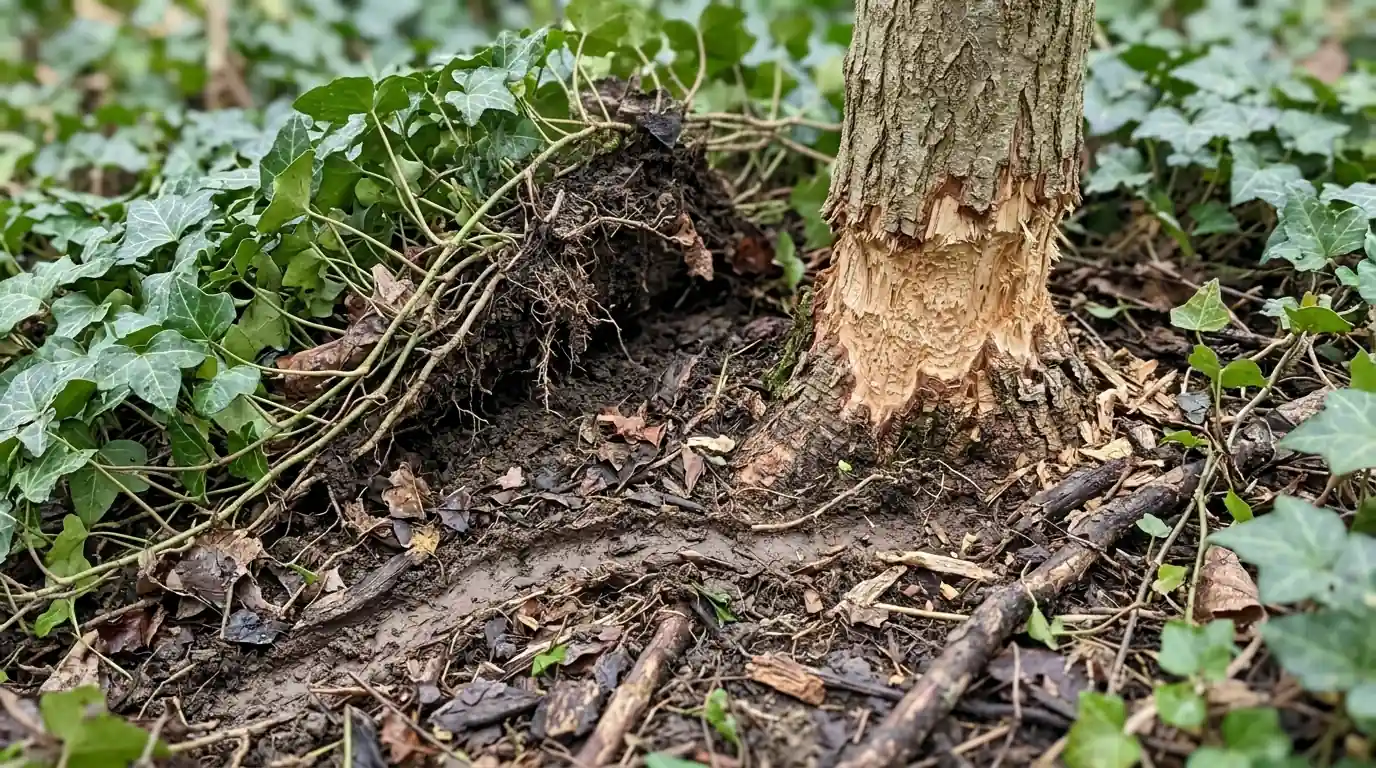
Voles work under cover: ivy, dense groundcover, mulch piled against trunks, and the thatch layer in an overwatered lawn. Pull the cover back and the runways show as clean, grass-wide paths with droppings along them. Trapping goes directly on those runs, paired with the one change that matters most here, which is pulling mulch and groundcover back from the base of young trees and shrubs so the voles lose their covered approach. Bark already girdled all the way around a young trunk usually won't recover, and we'll say so rather than let you wait on it.
What the first yard visit covers
Most of this visit is reading the yard. Trap placement only works once the active runs are known, so that comes first.
- Walk of the damaged areas with the ridges, mounds and runways mapped
- Active-run test on mole tunnels before any trap is set
- Groundcover and mulch pulled back to expose vole runways
- Trap placement matched to the species and the run depth
- Bark damage on young plants assessed and flagged
- Written notes on watering, thatch and mulch changes that reduce pressure
- Return schedule for resetting and removing traps
How a trapping program runs
Identify the animal
Tunnel shape, mound shape and the plant damage settle mole versus vole before anything is set.
Test the runs
Collapsed sections and probe checks tell us which tunnels are actually in use.
Set traps
Below-ground sets for moles, runway sets for voles, all marked and placed clear of foot traffic.
Service the sets
We return on schedule to check, remove catches and move traps as the activity shifts.
Close and advise
Once the runs stop being repaired, traps come out and the habitat notes stay with you.
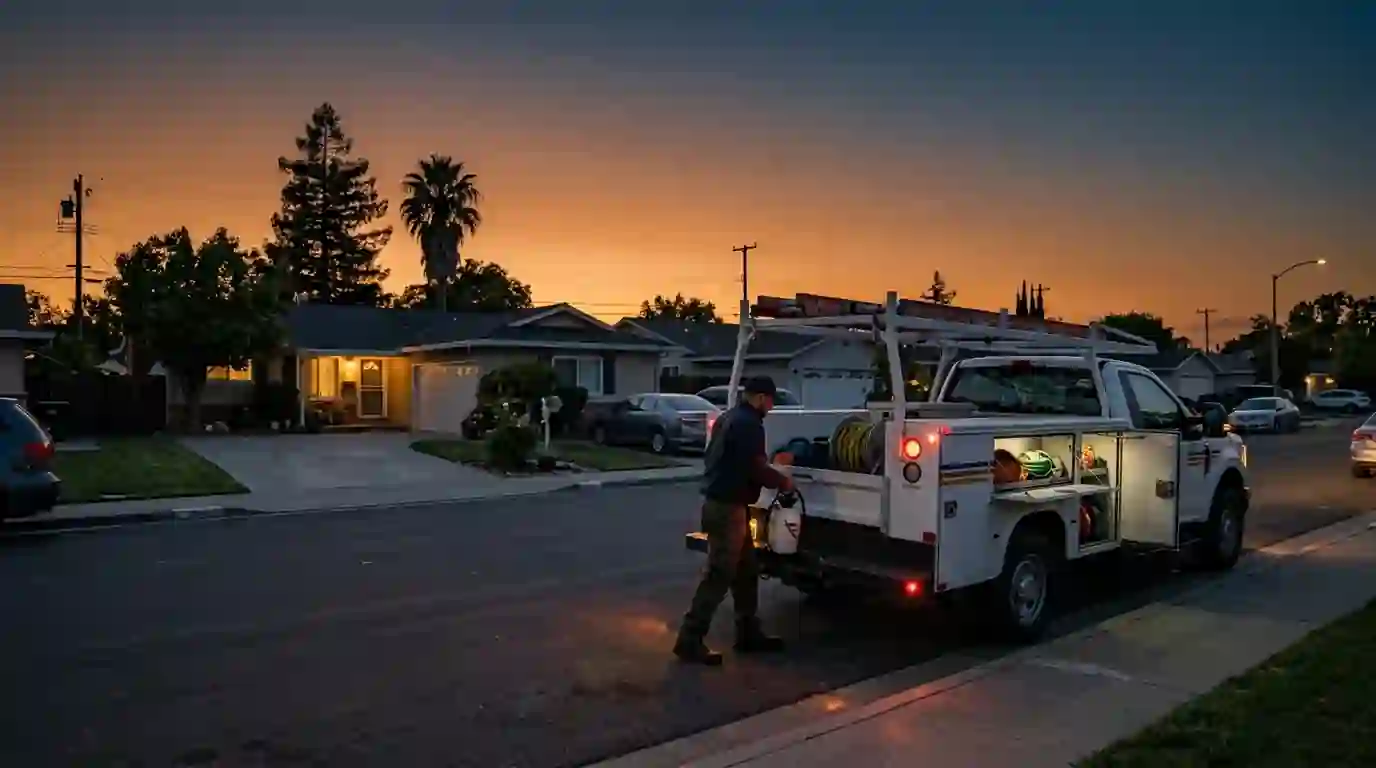
Lawn turning into a map of ridges? Get a tech on it this week.
Call (669) 369-0489What we see around San Jose
This is a landscape-driven problem, and San Jose yards create it honestly. Irrigated lawns across the valley hold the soft, moist soil moles tunnel through easily and the earthworm populations they are hunting, while dense ivy and heavy mulch beds in older gardens give voles the covered runways they need. The practical read is that the yards with the worst mole pressure are usually the best-watered ones, so irrigation timing is a real lever here, not just a tidy suggestion.
Worth reading alongside this: seven signs of roof rats in an attic.