Subterranean termites
Pre-war framing sitting close to soil, with short crawl space clearances.
Coverage
Willow Glen is one of the oldest parts of the city, and the housing shows it: raised foundations, original framing and tree cover that reaches most rooflines.
Local focus
Short answer
Pest control in Willow Glen runs on the same catalog we use across the Bay Area, with the emphasis set by what this area actually produces: subterranean termites, roof rats and the conditions behind them. Phones are answered around the clock and crews route out from the San Jose service office.
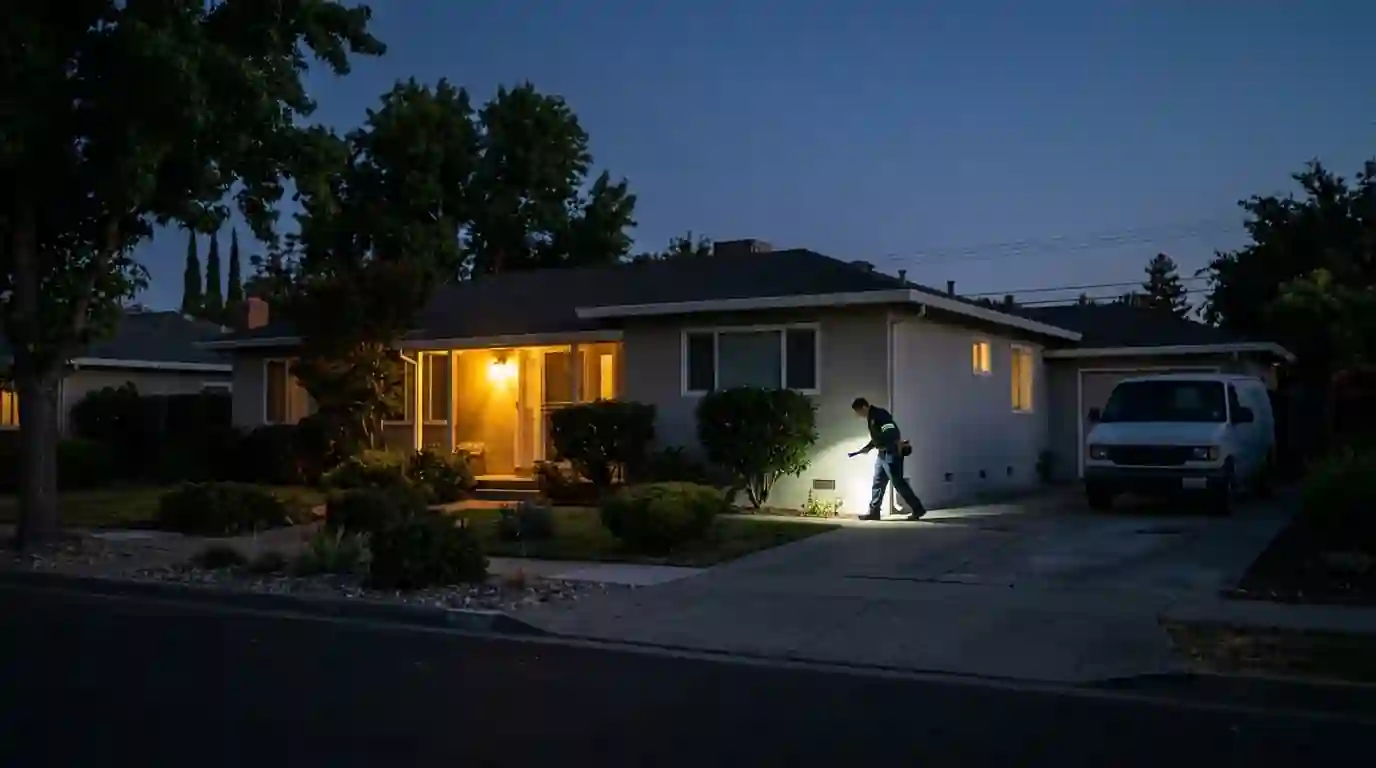
The bungalows and pre-war homes here sit with framing close to soil, short crawl space clearances and decades of additions, which is the geometry subterranean colonies exploit. These streets produce a steady share of the mud tube findings in our coverage area.
The canopy adds the second half. Mature street trees and back-garden fruit give roof rats both food and a route to the eave, so a Willow Glen inspection usually ends up covering the crawl space and the roofline rather than one or the other.
What we see here
Pre-war framing sitting close to soil, with short crawl space clearances.
Mature canopy and back-garden fruit trees supply both the food and the route.
Established landscaping pressed close to foundations keeps trails coming.
Older homes with a leak history and damp framing in the usual spots.
On the ground
Crews run out of the San Jose service office, and routing is built around the day rather than a fixed territory, so a wasp nest or a biting-pest call gets moved up regardless of which part of the coverage area it sits in. Inspections and scheduled service book within a few days.
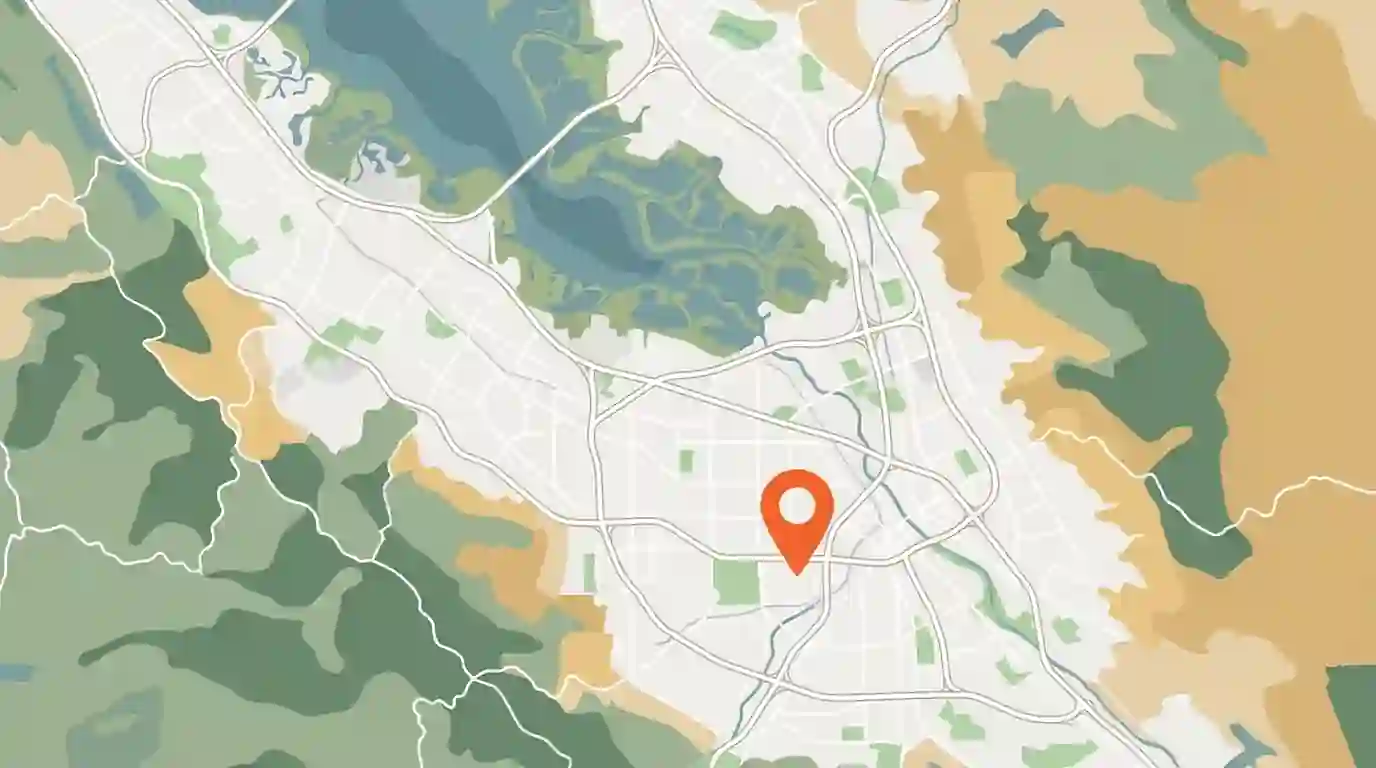
Coverage here takes in the bungalow streets around Lincoln Avenue, the older blocks toward the creek and the newer infill between them. If you are just outside what is listed, call anyway and we will tell you plainly whether we can route to you rather than taking a booking we cannot keep.
Local detail
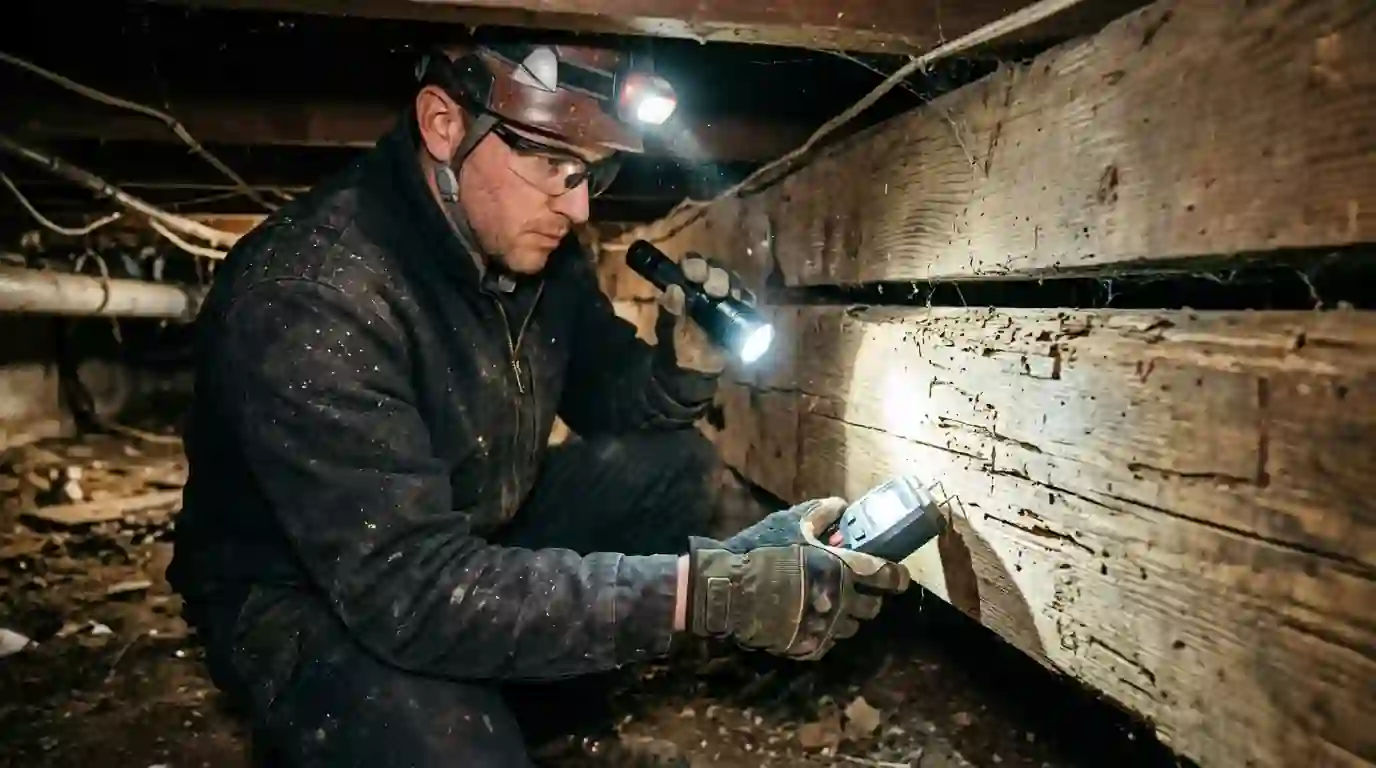
Short crawl space clearances, multiple additions and original framing all slow a proper inspection, and all three are normal in this neighborhood. A technician who is in and out in twenty minutes has not been under the house.
That extra time is where the value sits. The difference between finding subterranean activity this year and finding it in four is usually a treatment versus a treatment plus carpentry.
The older housing in Willow Glen is the main variable. Framing close to grade, crawl spaces that have been accessible for decades and mature trees over the roof mean most inspections here find more than one thing, and the crawl space is where the useful evidence sits. Treating what you can see from the garden rarely covers what is actually happening under the floor.
Straight answers
Worth checking. Framing close to soil is the classic setup and plenty of these homes have never had a proper inspection, so a first check often finds something nobody suspected.
Roof rats, most likely, coming in from the canopy. Trimming helps; sealing the eave line and vents is what finishes it.
Always. On these houses it is where most of the evidence lives, and an inspection that skips it is not worth much.
Often, yes. The inspection covers both and the quote itemizes what each part involves.
One number, answered around the clock, and a written note on what was found.
Call (669) 369-0489 any hourWhere to find us