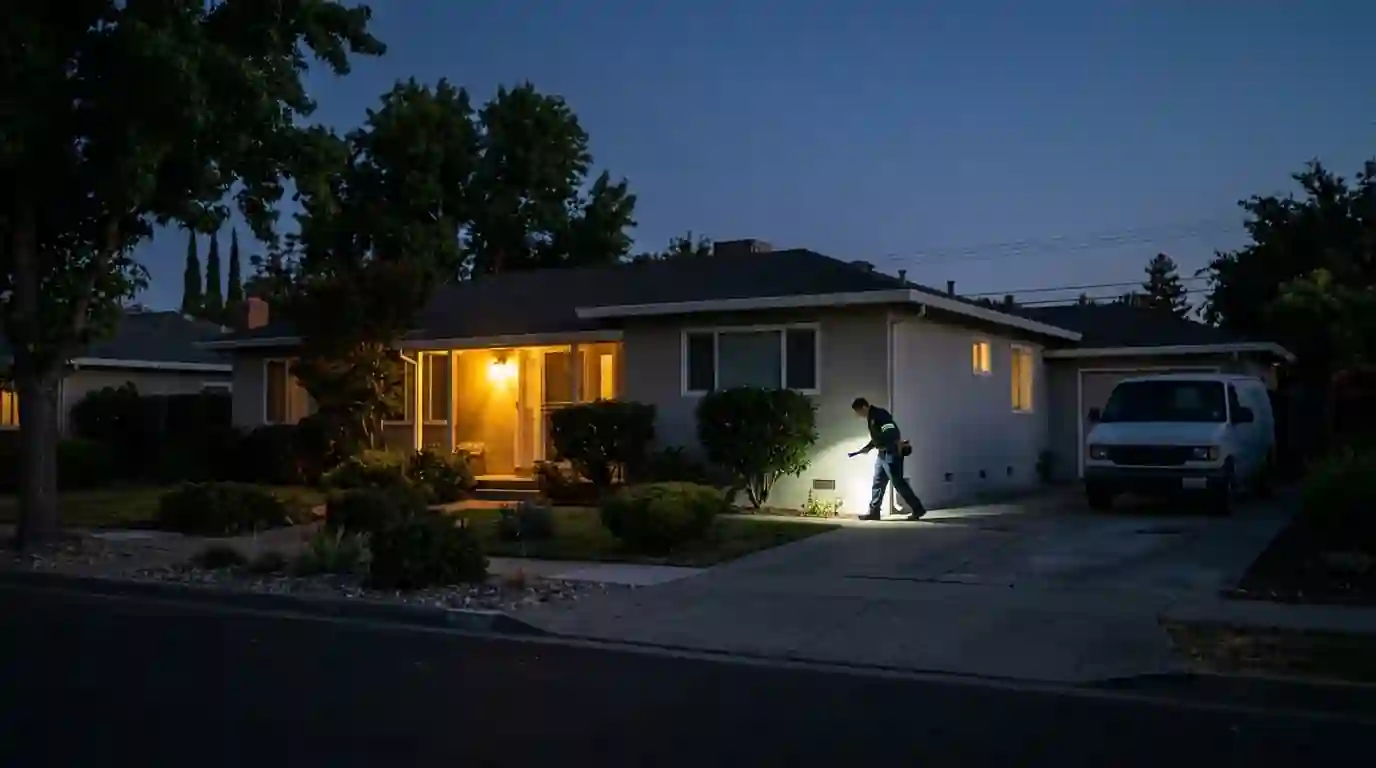
Short answer
A skunk or opossum under a San Jose deck gets handled in three moves: confirm which animal it is and where it's entering, trap and remove it legally and humanely, then seal the den entry so the vacancy doesn't get re-rented. Skipping the last step is why the smell comes back every spring.
Skunks and opossums want the same thing: a dry, dark cavity with food nearby. The gap under a deck, a shed on skids, or an unscreened crawl space vent is exactly that. Both are harmless neighbors until they live against your foundation, where the smell, digging and fleas become your problem.
Timing matters more than people expect. In spring there may be young in the den, and trapping the mother alone strands them under your floor. Part of the first visit is figuring out whether we're removing one animal or a family, because that changes the schedule. Once the space is empty, sealing work is what makes it permanent.
Signs it's a skunk or opossum and not a rat
Musk smell at night
Musk drifting in around dusk, even without a full spray, means one is denning close by.
A dug entry hole
Skunks excavate a tidy 4 to 6 inch hole at the base of a deck or slab, with fresh soil kicked out.
Slow nighttime movement
Opossums amble. If the animal you saw didn't run, it wasn't a rat or a cat.
Pet reactions at one spot
A dog fixating on one deck corner nightly has found the den for you.
Rolled-back sod
Skunks peel lawn like carpet hunting grubs. Scattered shallow cone-shaped holes are theirs too.
Droppings with insect parts
Both animals leave droppings larger than a rat's, often showing beetle casings.
What happens after you call
Confirm the animal
Tracks, droppings, the entry hole and your sightings tell us skunk, opossum or something else.
Check for young
Season and den signs tell us whether we're planning for one animal or a family.
Set humane traps
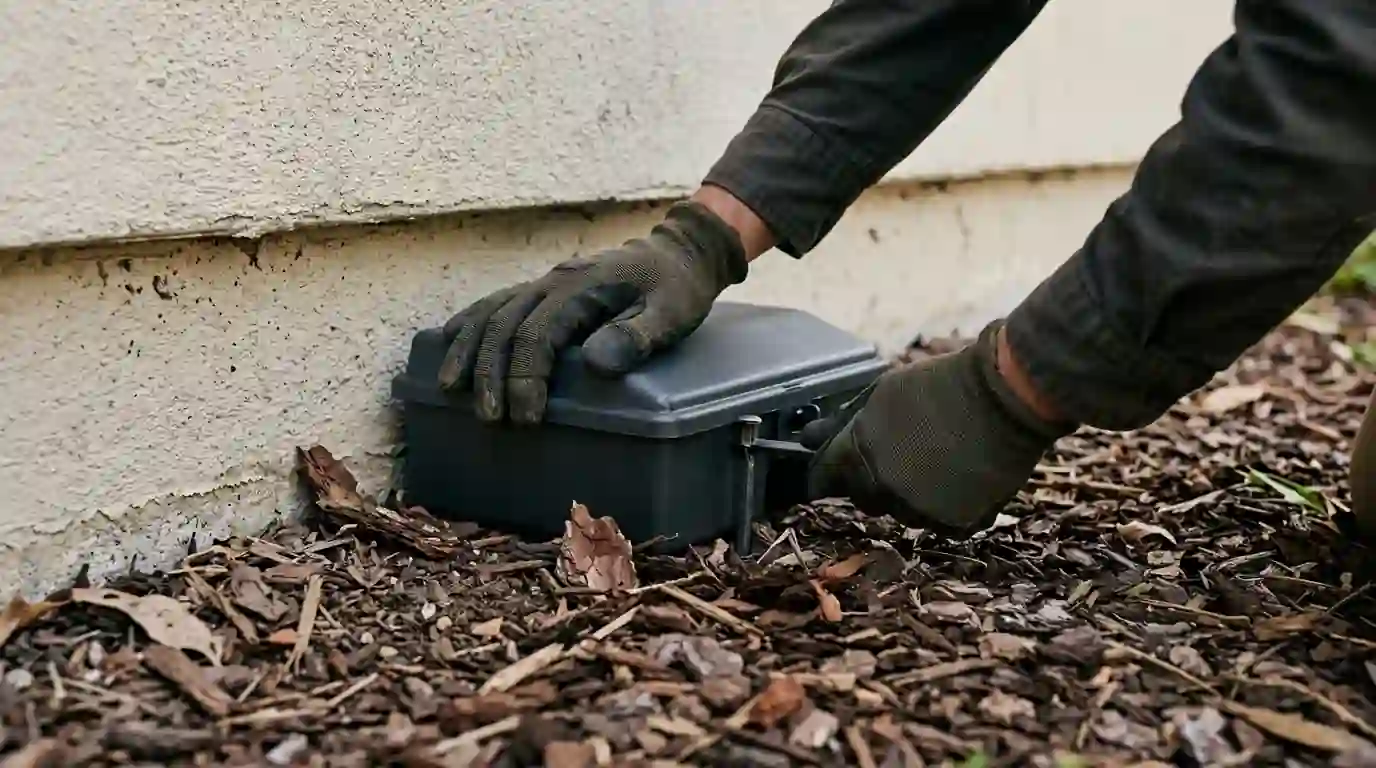
Baited cage traps go tight against the entry, placed so pets can't reach them.
Daily monitoring
Traps are checked every day. Captured animals are handled per California regulations.
Close the den
Once the cavity is verified empty, the entry gets screened or buried so it can't reopen.
Under-deck trapping
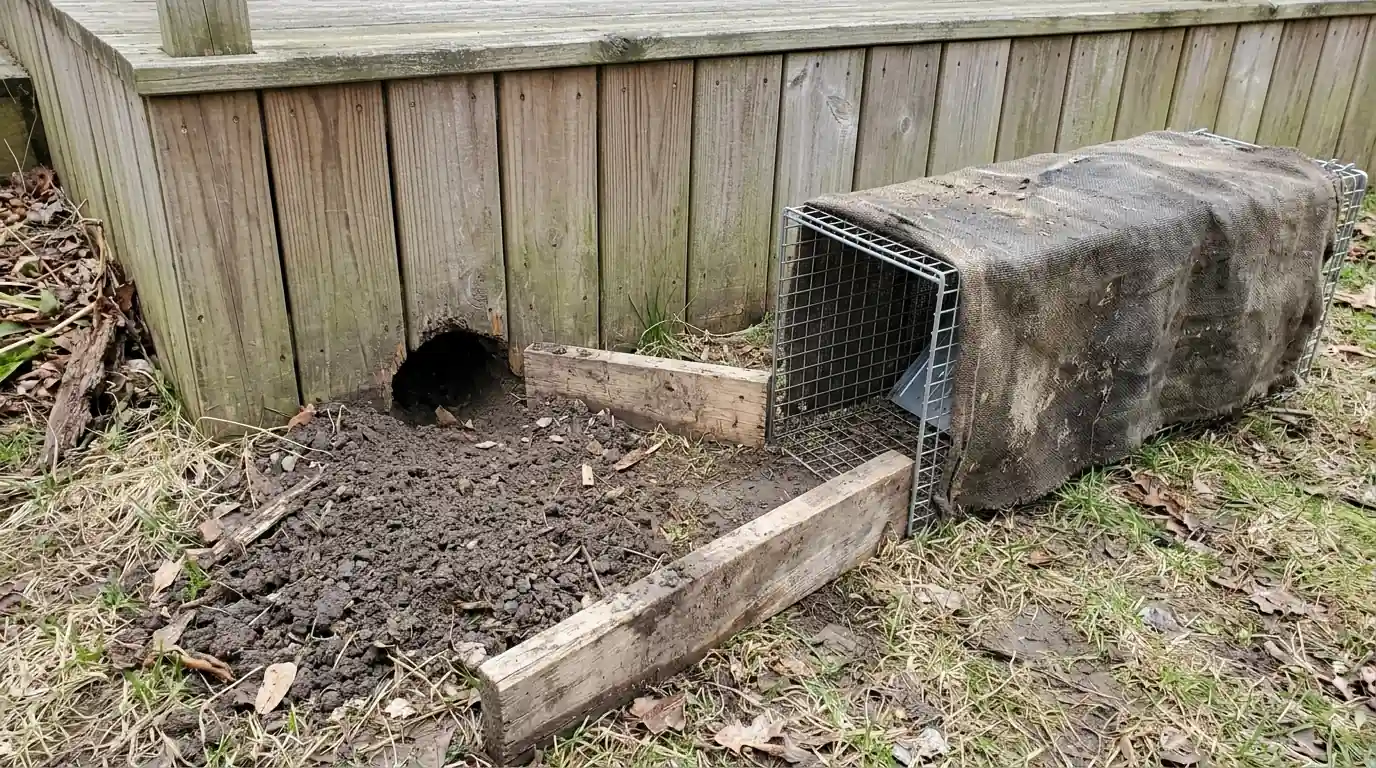
The deck job is the classic version of this call. The animal enters through one dug hole or a gap in the skirt board, so the trap goes tight against that entry, covered, with guide boards so the animal walks in on its normal route. We place traps where your dog can't reach them and check them daily, as California rules require. Most single adults are in the trap within two or three nights, and you'll get a text or call the morning it happens rather than finding out at the next visit.
Den closure
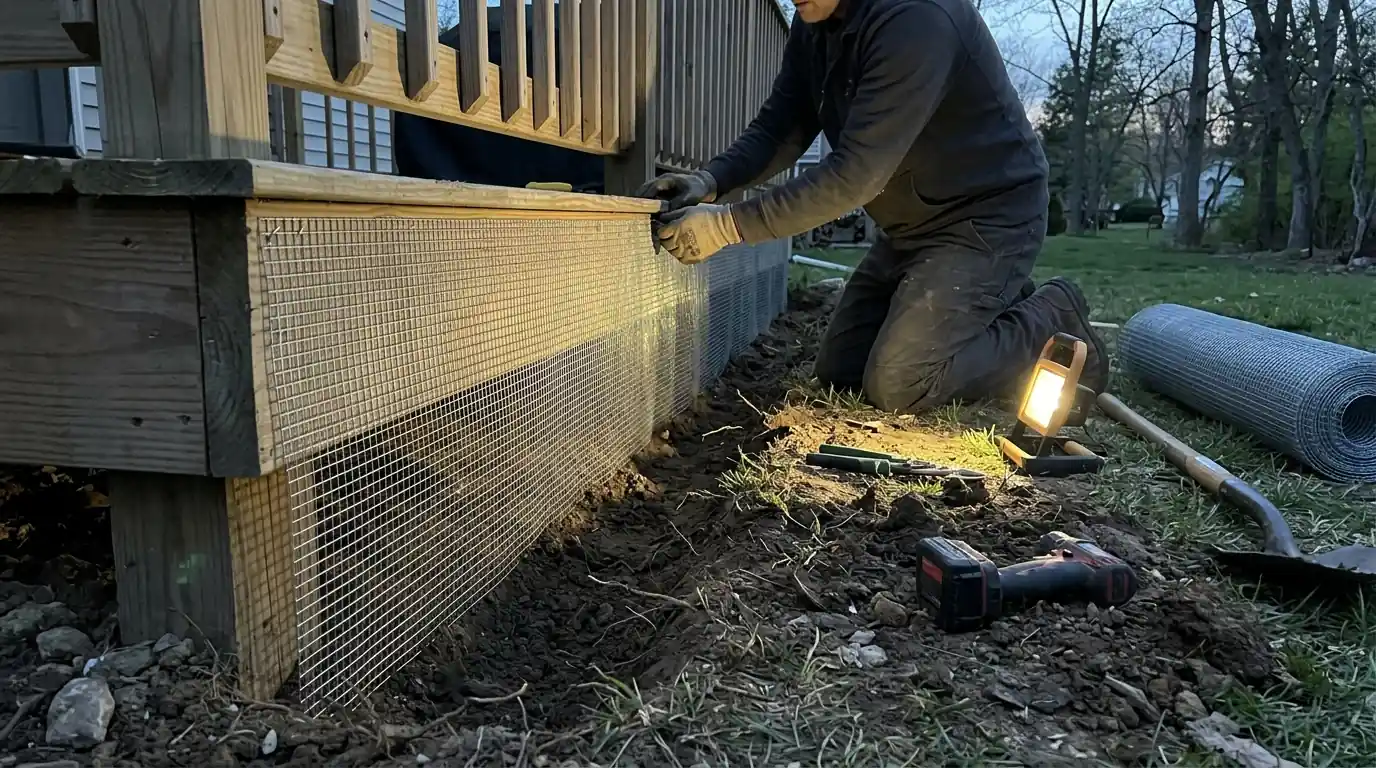
Removal without closure is a vacancy listing. Once we verify the cavity is empty, the entry gets hardware cloth screened into the ground or buried in an L-shape a skunk can't dig under, and skirt gaps get closed to match the structure. On raised decks we often screen the full perimeter while we're there, because the next animal won't politely reuse the old hole. Closure is written into the quote from the start, not sold afterward.
How long removal takes
Skunk under the deck right now? Call before it sprays the dog.
Call (669) 369-0489What we see around San Jose
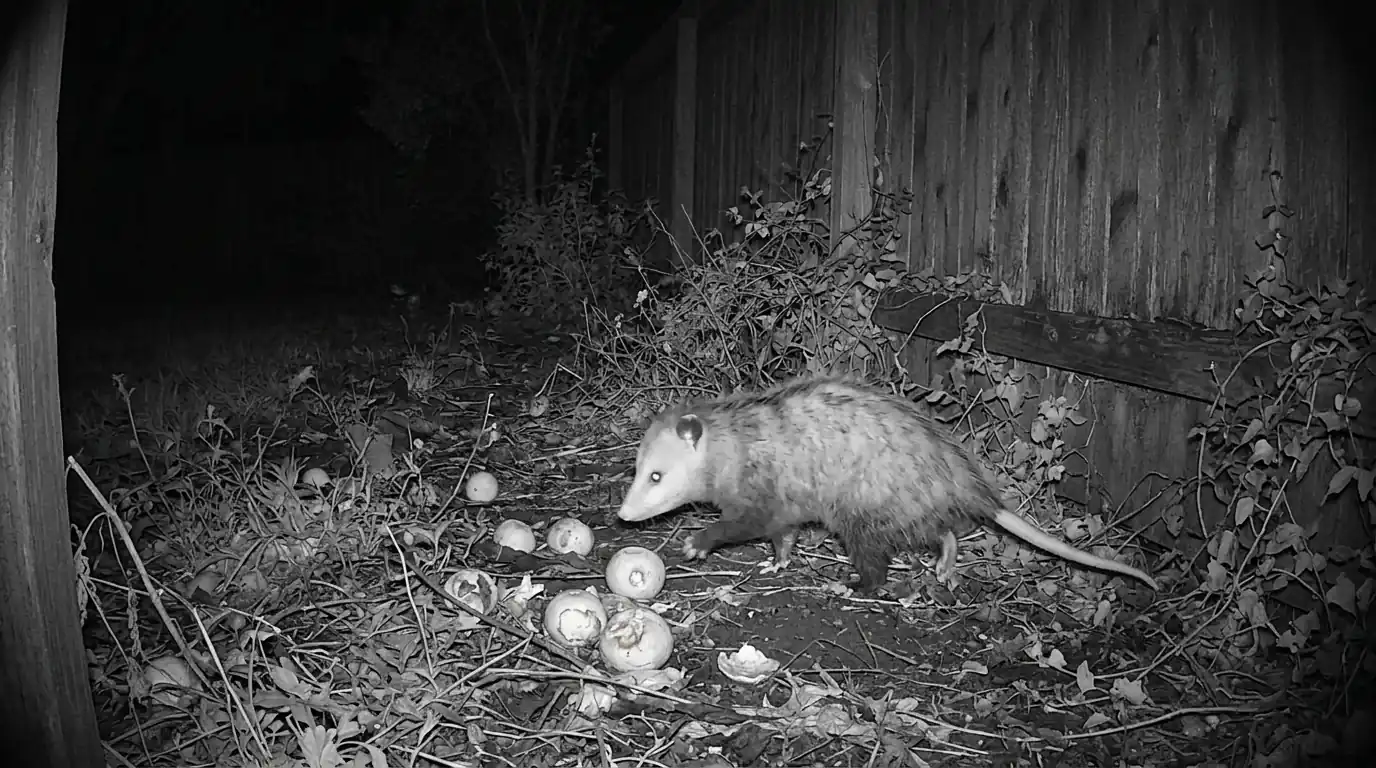
The same San Jose yards that feed roof rats feed these animals. In Saratoga and Los Altos, mature fruit trees drop a steady buffet that pulls opossums through on a nightly circuit, and an irrigated lawn full of grubs is the number one thing that keeps a skunk digging in one yard instead of the next. We mention it because removal without changing the food picture sometimes just opens the den for the next tenant, and we'd rather tell you that up front.
What the job costs depends on
Wildlife work is priced by the time it takes, and three things set that more than anything else.
| What moves the price | How it moves it |
|---|---|
| Number of animals | A lone adult is a short job. A mother with four young is a managed, multi-day one. |
| Access to the den | A deck with a removable skirt board is easy. A slab-poured porch with one dug hole is not. |
| Trap days needed | Daily legally required checks mean each extra night is real labor. |
| Closure scope | Screening one hole differs from trenching hardware cloth along a whole deck line. |
| Spray cleanup | If a skunk has already sprayed under the structure, deodorizing adds a step. |
| Repeat pressure | Yards with heavy grub or fruit food sources may need advice-driven changes to stay clear. |
We quote the whole job after the first inspection, including the den closure, so the price you hear is the price that ends it.
Worth reading alongside this: pest-proofing before the rains.