Short answer
Bed bugs in a San Jose home get confirmed first, treated second. We inspect mattress seams, box springs, frame joints and nearby outlets to verify live bugs or eggs, then clear the infestation with a single-day heat treatment or a staged conventional one. Either way a follow-up visit verifies zero activity before we call it done.
Bed bugs are the one pest where guessing gets expensive. Flea bites, carpet beetle reactions and plain hives all get mistaken for them, and people throw out mattresses over infestations they never had. So the first visit is pure detective work: live bugs, shed skins, eggs glued into seams, or the pepper-grain fecal spotting that marks their harborage. No confirmation, no treatment sold.
Once confirmed, the honest news is that bed bugs are beatable but not casually. They hide in screw holes and behind baseboards, eggs resist most sprays, and a missed pocket restarts the clock. That's why the plan always includes a follow-up inspection, and why we'll tell you clearly which rooms are involved rather than defaulting to treating everything.
What bed bug evidence actually looks like
Bites in rows
Lines or clusters of three and four bites on skin exposed during sleep, often itchier at night.
Seam spotting
Black pepper-like fecal dots along mattress piping and box spring edges.
Rust marks on sheets
Small blood smears from bugs crushed in your sleep.
Shed skins
Translucent amber casings near frame joints, left behind as nymphs grow.
A sweet, musty odor
Heavier infestations give bedrooms a faint sweetish smell.
Bugs in screw holes
Adults the size of an apple seed tucked into frame hardware and slat gaps.
From first call to verified clear
Confirming inspection
We verify live activity and map which rooms are actually involved before anything is quoted.
Method and prep plan
You get the heat vs conventional tradeoff for your situation and a written prep list.
Treatment day
Heat jobs run in one monitored day; conventional jobs start their first full application.
Encasement and monitors
Mattress encasements and interceptor monitors go on so nothing hides and nothing goes uncounted.
Verification visit
We re-inspect on schedule and don't close the job until activity reads zero.
Heat treatment
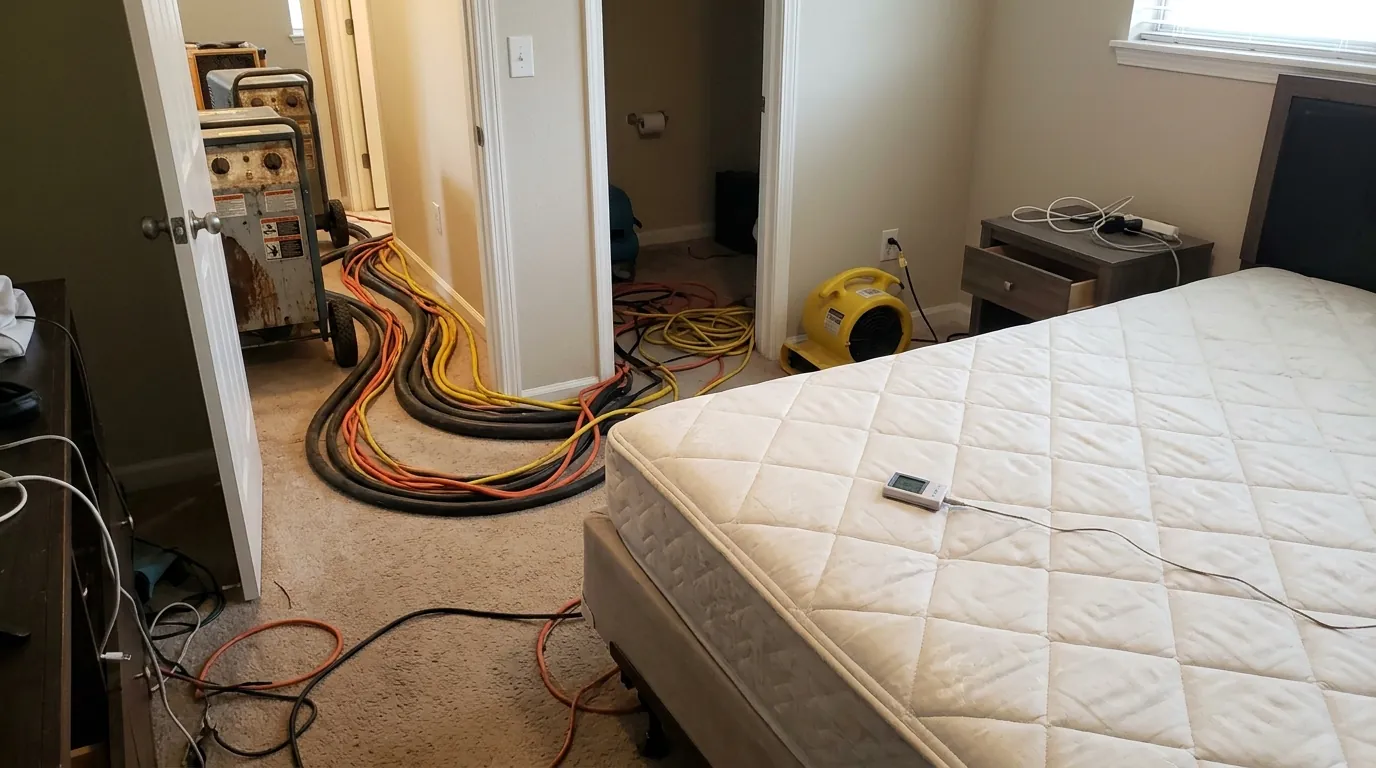
The whole-room approach: equipment raises the involved rooms to a temperature lethal to every life stage and holds it there for hours, monitored by sensors placed deep in the furniture. Heat reaches eggs inside screw holes and wall voids that no spray contacts, which is why it clears heavy infestations in a single day. Heat-sensitive items come out beforehand; everything else is treated in place. You sleep in your own bed that night.
Conventional treatment
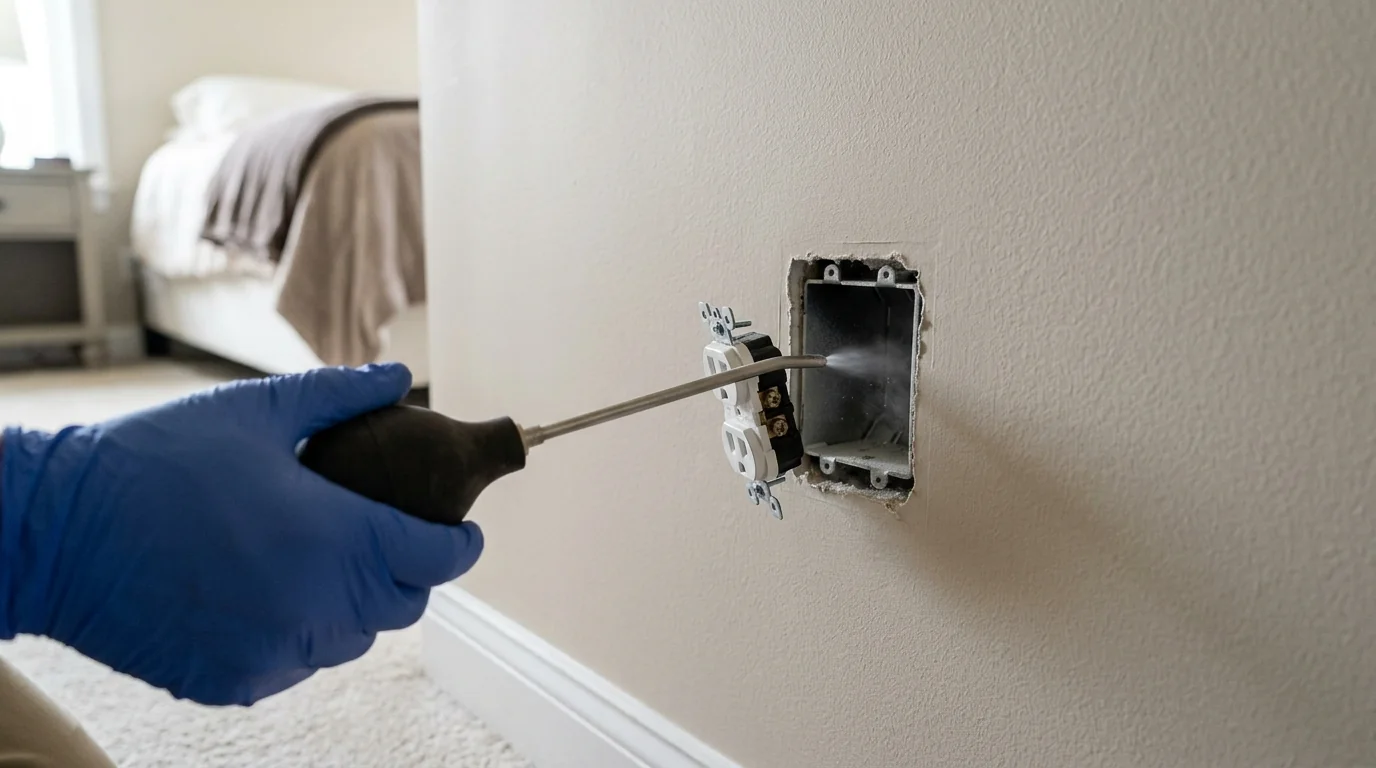
The staged approach: residual materials go into the cracks, voids and harborages the inspection mapped, and bugs crossing them on their way to feed pick up the dose. It takes two to three visits across several weeks because eggs laid before treatment hatch on their own schedule and have to walk the same gauntlet. It costs less than heat and suits light, caught-early cases; the tradeoff is living alongside the process for a few weeks.
Mattress encasements
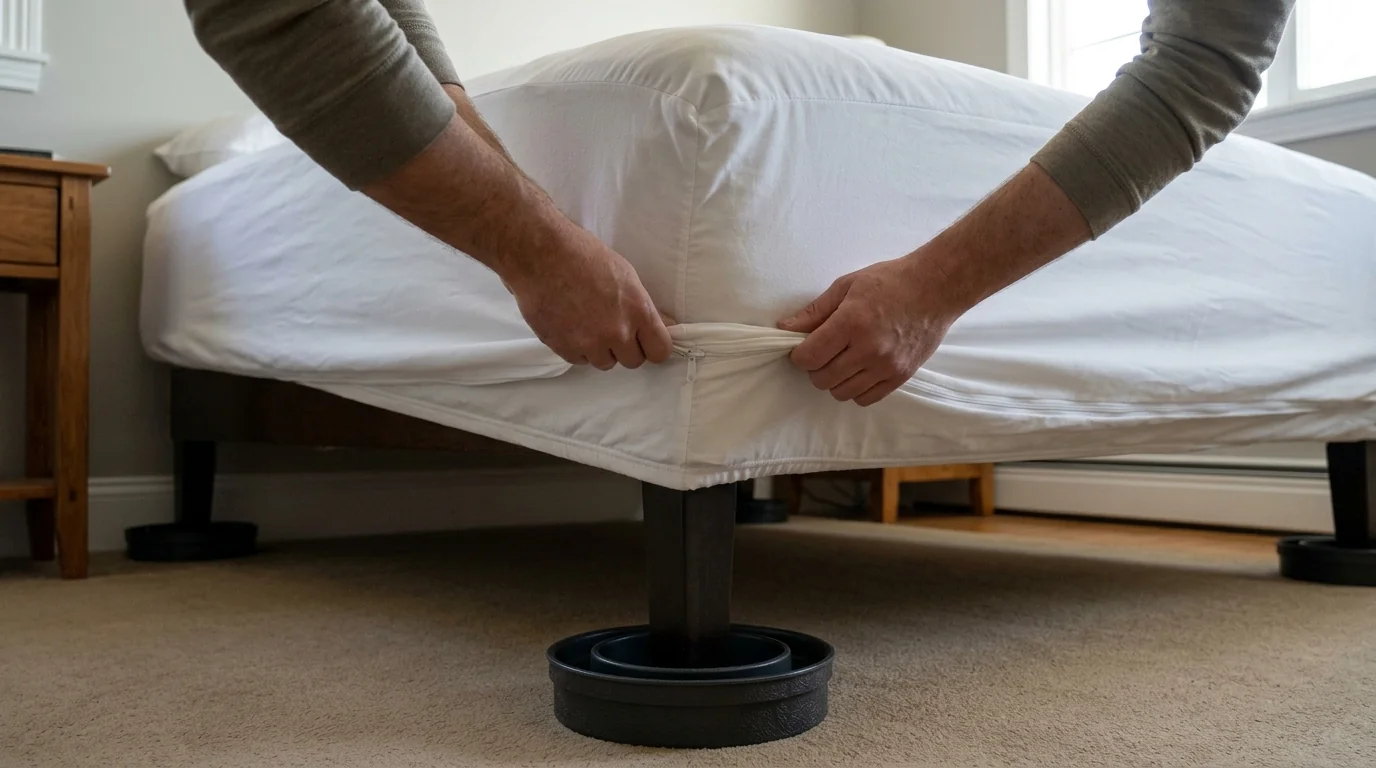
Zippered encasements rated for bed bugs go on the mattress and box spring after treatment. They trap anything still inside until it dies and turn the bed into a smooth white surface where one new bug stands out instantly at a re-check. Paired with interceptor cups under the bed legs, they're how we verify the job stayed done instead of guessing. Encasements are part of the program on every bed involved, not an accessory.
Losing sleep over this? Phones are answered right now.
Call (669) 369-0489What we see around San Jose
We handle bed bug calls across the whole San Jose spread, from downtown apartments to single-family streets, and the pattern is the same everywhere: the bugs arrived in luggage, a used couch, or a visiting backpack, not through the walls on their own. Travel-heavy households see it most. The practical local note is about multi-unit buildings, where treating one unit while the neighbor stays infested just moves the problem down the hall; in those cases we coordinate with management so the treatment covers the actual extent.
What drives the cost of bed bug work
Bed bug jobs vary more than almost any other pest service, because the real unit of work is how many rooms are involved and how cluttered they are.
| What moves the price | How it moves it |
|---|---|
| Rooms with activity | The inspection sets this. Treating one bedroom differs hugely from a whole home. |
| Method chosen | Heat fronts more cost in one day; conventional spreads it over visits. |
| Clutter level | Every box and pile is harborage that has to be dealt with, either way. |
| Infestation age | Months-old infestations mean more harborages and more verification work. |
| Furniture involved | Upholstered pieces, bed count and frame complexity all add treatment surface. |
| Multi-unit coordination | Adjacent-unit inspections in apartments add scope but save re-treatments. |
The quote comes after the confirming inspection, in writing, with the follow-up visit included rather than billed as a surprise.
Worth reading alongside this: pest control around pets and kids.