Short answer
Rodent exclusion in San Jose means closing every opening a rat or mouse can use, with materials they cannot chew: galvanized mesh, sheet metal, hardware cloth and rodent-rated sealant. A mouse needs a dime-sized gap and a roof rat needs about a quarter. Exclusion is what turns a trapping result into a permanent one, and it gets photographed so you know what was done.
Every rodent job splits into two halves: removing the population and closing the building. The first half is visible and satisfying; the second half is the one that decides whether you are calling someone again next winter. Houses do not get infested because rats are clever, they get infested because there is an opening.
The openings repeat from house to house: unscreened attic and foundation vents, the gap where a pipe or conduit enters the wall, roofline junctions where two pitches meet, a garage door sweep worn down to daylight. Those are closed with materials that defeat gnawing, which rules out the foam and caulk most DIY attempts rely on. Paired with trapping, it is the half of the job that holds.
What exclusion costs and why it varies
Local market figures put most San Jose rodent proofing between $300 and $800 or higher, with the openings themselves driving the number.
| What moves the price | How it moves it |
|---|---|
| Number of entry points | The inspection count is the single biggest factor in the quote. |
| Roof access | Two stories, steep pitches and tile roofs slow the roofline work considerably. |
| Vent condition | Replacing rusted or chewed vent screens costs more than screening sound ones. |
| Construction type | Raised foundations have crawl space vents and skirting that slab homes do not. |
| Garage and door work | Sweeps, thresholds and jamb gaps are separate items from the structure itself. |
| Damage repair | Chewed fascia or soffit sometimes needs rebuilding before mesh can be anchored. |
The range above is a published local planning figure, not our quote. You get a written count of openings and a price before any work starts.
Vent screening
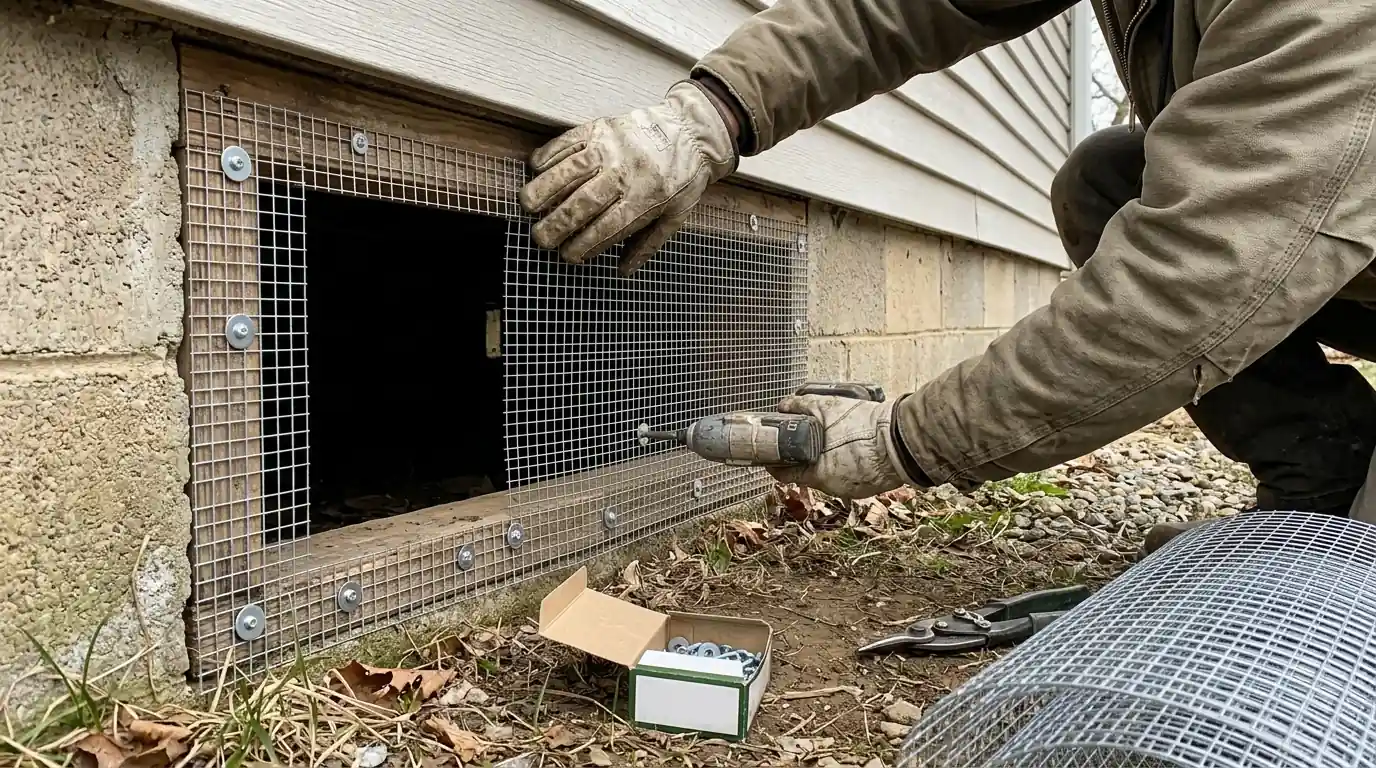
Attic vents, foundation vents, dryer and bath exhausts and crawl space openings are the most common way in, and the most commonly skipped. Each gets galvanized mesh or hardware cloth cut to fit and fastened rather than pushed into place, with airflow preserved because blocking a vent trades a rodent problem for a moisture one. Damaged screens get replaced instead of patched, since a rat that chewed through once will work the repair.
Gap and pipe sealing
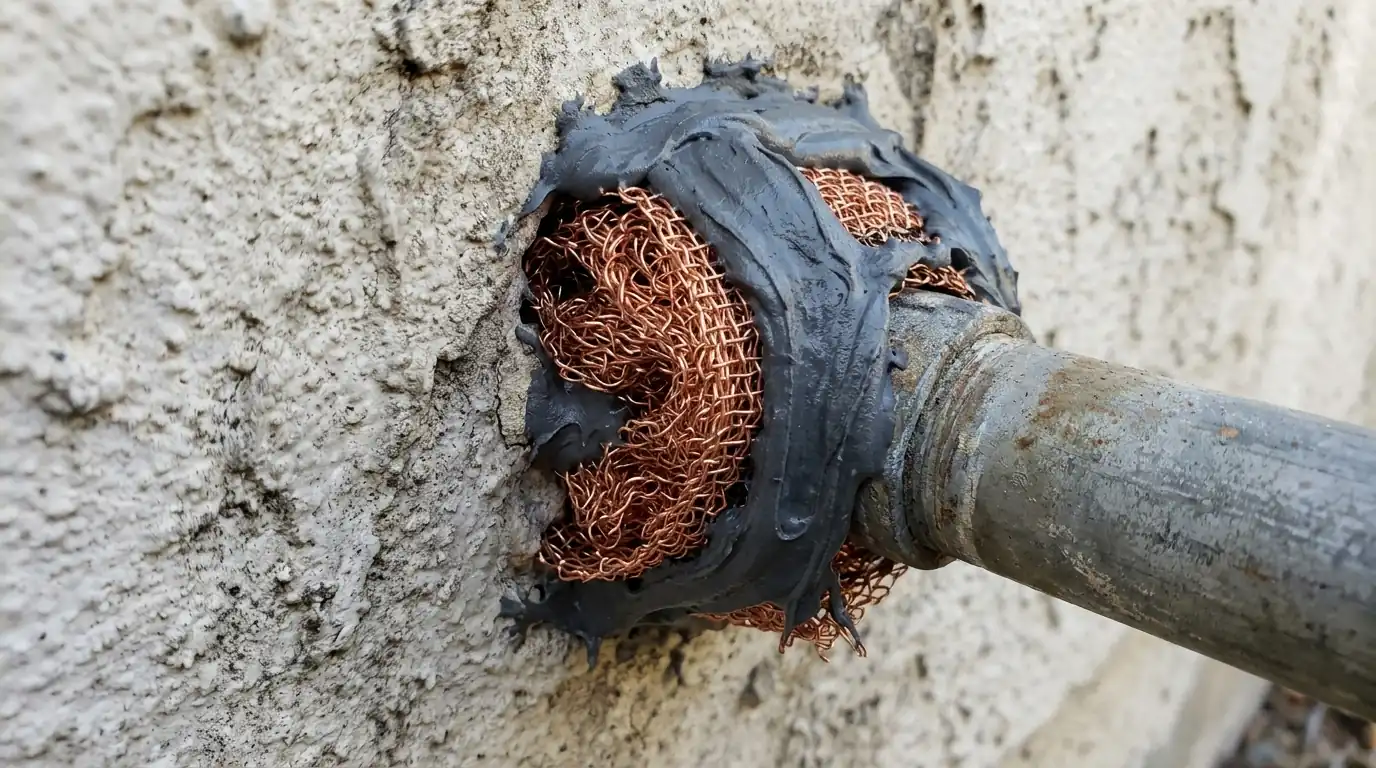
Plumbing, electrical and HVAC penetrations leave gaps that nobody closes properly, and rodents find them fast. Each gets packed with copper or stainless mesh and sealed over so there is nothing chewable at the opening, from under-sink pipe stacks to the conduit entry at the meter, to the gap where the AC line set enters the wall. Expansion foam alone is not sealing; rodents chew straight through it, which is why foam-only repairs are one of the most common things we are called to redo.
Garage door sweeps
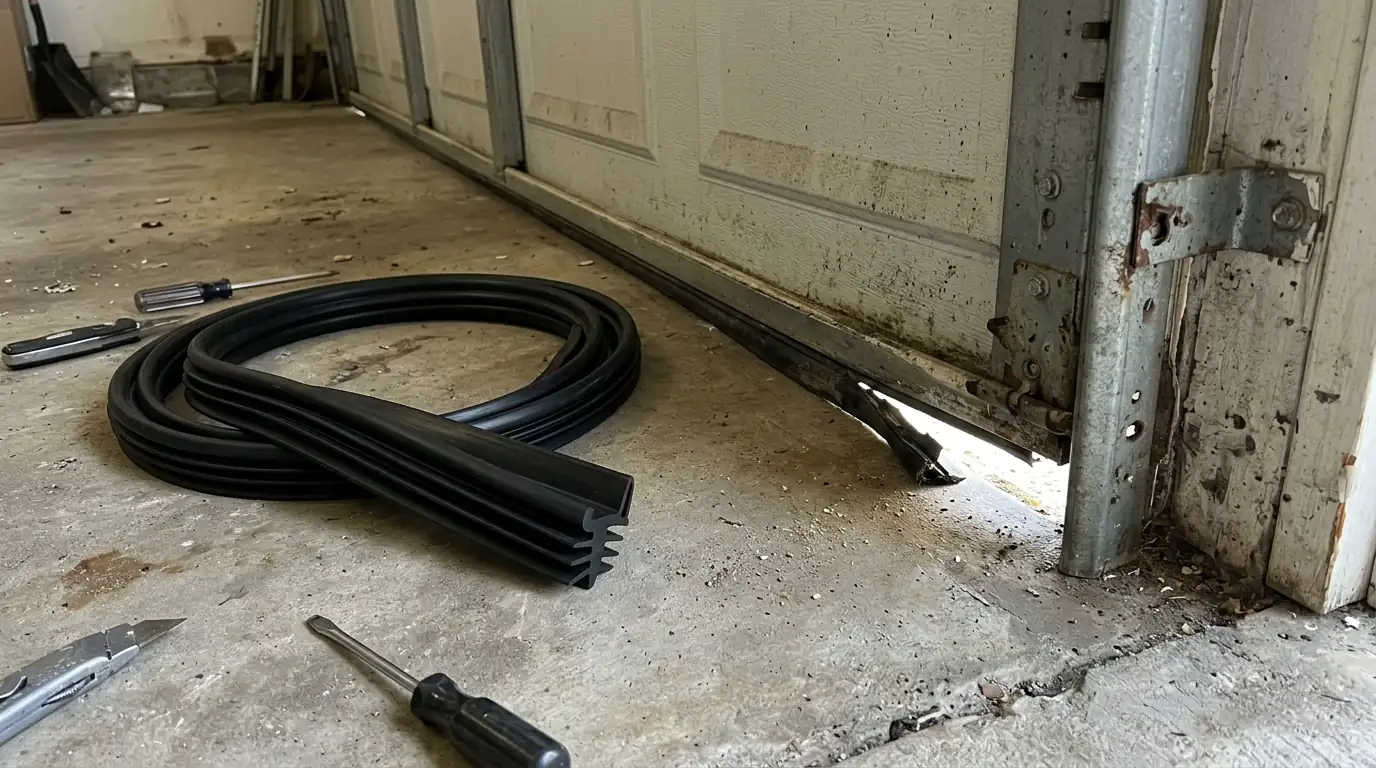
The garage is the most-used rodent entrance on a typical house, and the gap under a worn door sweep is the reason. Sweeps compress and tear at the corners, leaving daylight an inch or more high at each end, which is an open door to both mice and rats. Replacement sweeps go on with the corners properly closed, and the side jambs and threshold get checked at the same time, because a new sweep on a warped threshold still leaves a usable gap.
How the sealing work runs
Full exterior inspection
Roofline, eaves, vents, penetrations, foundation and garage, with every opening logged.
Prioritize
Active entries with rub marks get closed first; potential ones get closed before we leave.
Seal with the right material
Metal, mesh and rodent-rated sealant, never foam alone.
Preserve ventilation
Vents get screened rather than blocked, so the attic and crawl space still breathe.
Document
Each closure is photographed, so you have a record of what was sealed and where.
Trapped them and they came back? The building is still open.
Call (669) 369-0489What we see around San Jose
Santa Clara County's commensal rodents are Norway rats, roof rats and house mice, and all three find buildings the same way: an opening nobody closed. Our mild winters never force a population reset either, so the pressure on a San Jose house is constant rather than seasonal, and an open eave gap is not a risk that passes in spring. Published local figures put rodent proofing around $300 to $800 or more depending on the entry count, which is cheap against an attic cleanup.
Worth reading alongside this: how to tell what is in your attic.