Short answer
Gophers in a San Jose yard are handled by trapping the active burrow system, not by treating the surface. The fan-shaped mound with a plugged hole on one side marks a tunnel below; we probe to find the main runway, set traps in it, and return until no new mounds appear. One gopher can produce dozens of mounds, so the count usually surprises people.
Pocket gophers live alone, which is the useful fact behind every gopher job. A single animal digs an extensive tunnel system, pushes soil out in those crescent-shaped mounds, and eats roots, bulbs and whole small plants from below. Finding ten mounds does not mean ten gophers; it usually means one busy one.
The damage pattern is distinctive. Plants wilt and then vanish downward, irrigation lines get chewed, and lawns develop soft collapsed channels. Moles make round volcano mounds and eat insects instead, which is why that job runs differently, and getting the identification right on the first visit saves a wasted week.
What sets the price on gopher work
This is locate, trap and service work, so the number of active systems and the visit count drive the quote.
| What moves the price | How it moves it |
|---|---|
| Active burrow systems | Each separate system needs its own sets and its own service time. |
| Property size | A front lawn is a different walk from a terraced acre with orchard rows. |
| Visit count | Lots next to open ground need more returns as new animals arrive. |
| Access and terrain | Slopes, fenced sections and dense planting slow placement and checking. |
| Method | Trapping on home lawns versus burrow treatment on larger parcels prices differently. |
| Irrigation damage | Chewed lines are flagged for repair but the repair itself is a separate trade. |
No published local market range covers gopher trapping, so the quote comes from the yard walk rather than an average figure.
Mound trapping
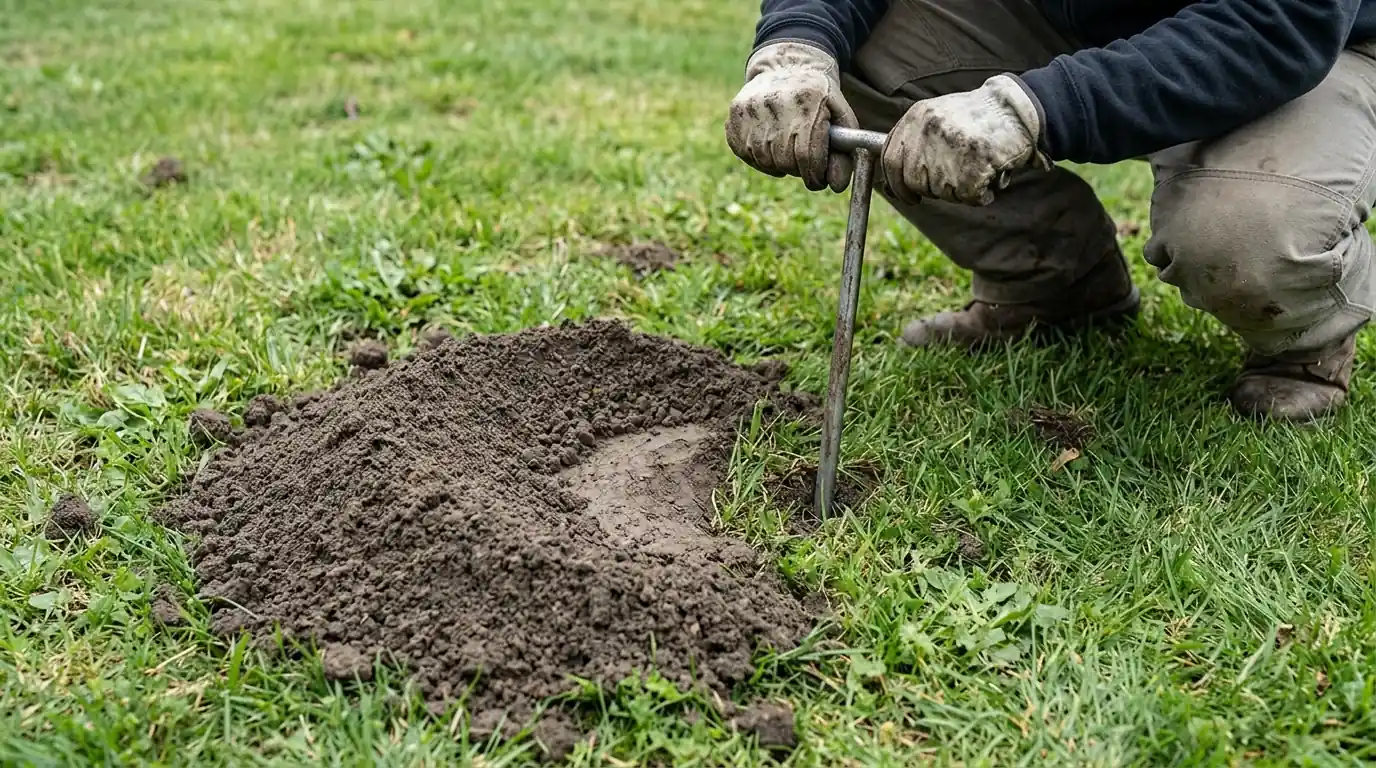
Trapping is the method with the best success rate and it depends entirely on placement. The freshest mound tells us where the animal is working; a probe finds the main runway a few inches below, usually on the plugged side of the crescent. Traps go into the tunnel itself, set in pairs facing both directions since the gopher travels the runway in both, then covered so no light or draft reaches the set. Checked and reset over a few days, this clears most single-gopher yards quickly.
Burrow baiting
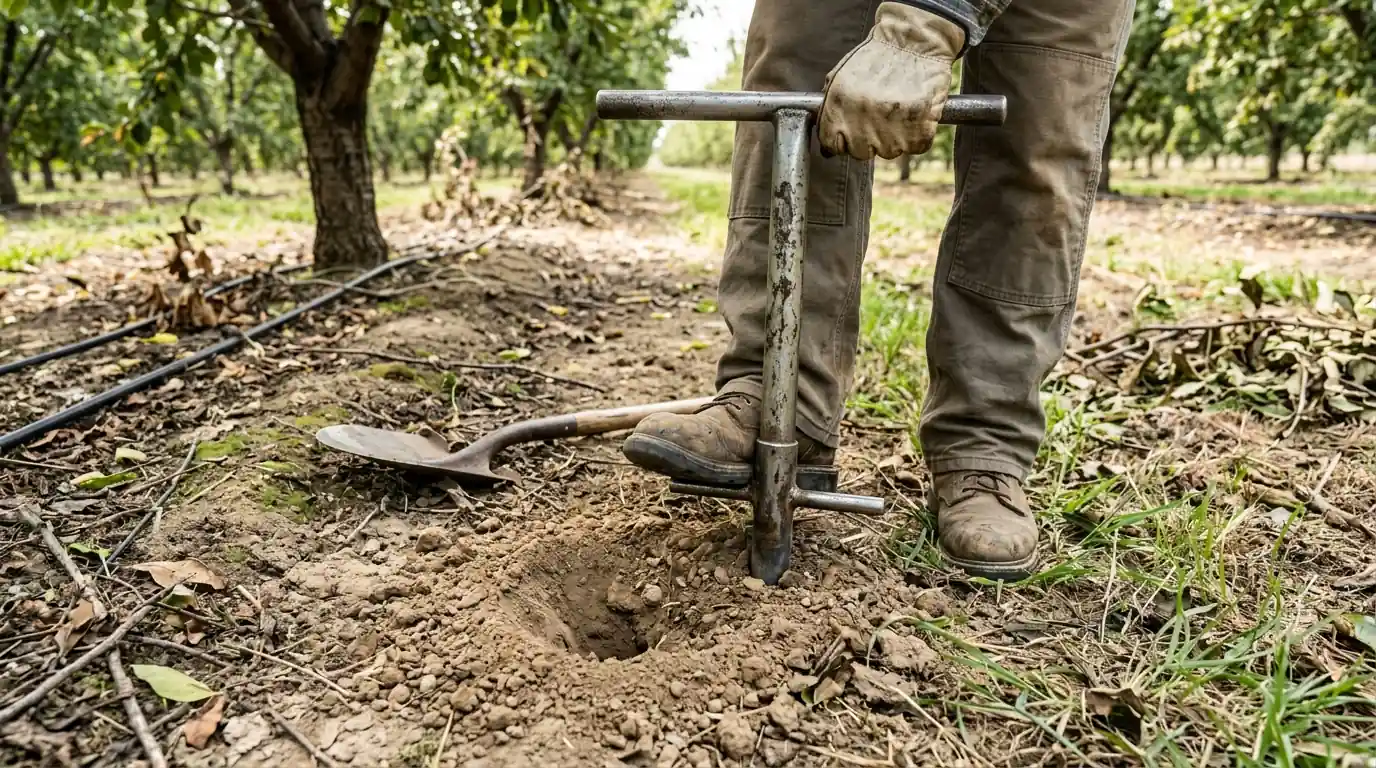
Where trapping is impractical, large lots, orchard rows, slopes where traps cannot be serviced safely, bait placed directly into the burrow system is the alternative. It goes down into the tunnel through a probe hole and gets sealed, never scattered on the surface, which keeps it away from pets, birds and anything else above ground. We use it selectively rather than as a default, and on home lawns with kids and dogs we will usually recommend staying with traps and say why.
What the first gopher visit covers
Most of the visit is locating. Traps in the wrong tunnel catch nothing, so the probing comes first.
- Walk of the yard with fresh and old mounds marked separately
- Probe work to locate the main runway, not just the lateral tunnels
- Trap sets placed in pairs inside the active tunnel and covered
- Irrigation lines checked for chew damage where mounds cluster
- Garden beds and young trees checked for root loss
- Service schedule set for checking and resetting the sets
- Notes on fencing or basket protection worth adding for new plantings
How trapping a gopher actually works
Identify the animal
Fan-shaped mounds with a plugged side read gopher; round volcano mounds read mole.
Find the main runway
Probing near the freshest mound locates the tunnel the animal actually travels.
Set and cover
Paired traps go in facing both directions, then the opening is sealed against light.
Check and reset
We return on schedule, remove catches and move sets as the activity shifts.
Confirm it stopped
No new mounds across consecutive checks ends the job.
New mounds every morning? Get the active burrow trapped this week.
Call (669) 369-0489What we see around San Jose
Gophers do well in exactly the conditions San Jose landscaping creates. Irrigated lawns and amended garden beds across the Santa Clara Valley keep soil soft and root density high year-round, which is ideal tunneling and feeding ground, and properties bordering open fields or creek banks see new animals move in after each one is removed. For those lots the honest plan is periodic checking in spring rather than waiting until the lawn is covered again.
Related reading: how to tell what is in your attic.