Ground squirrels
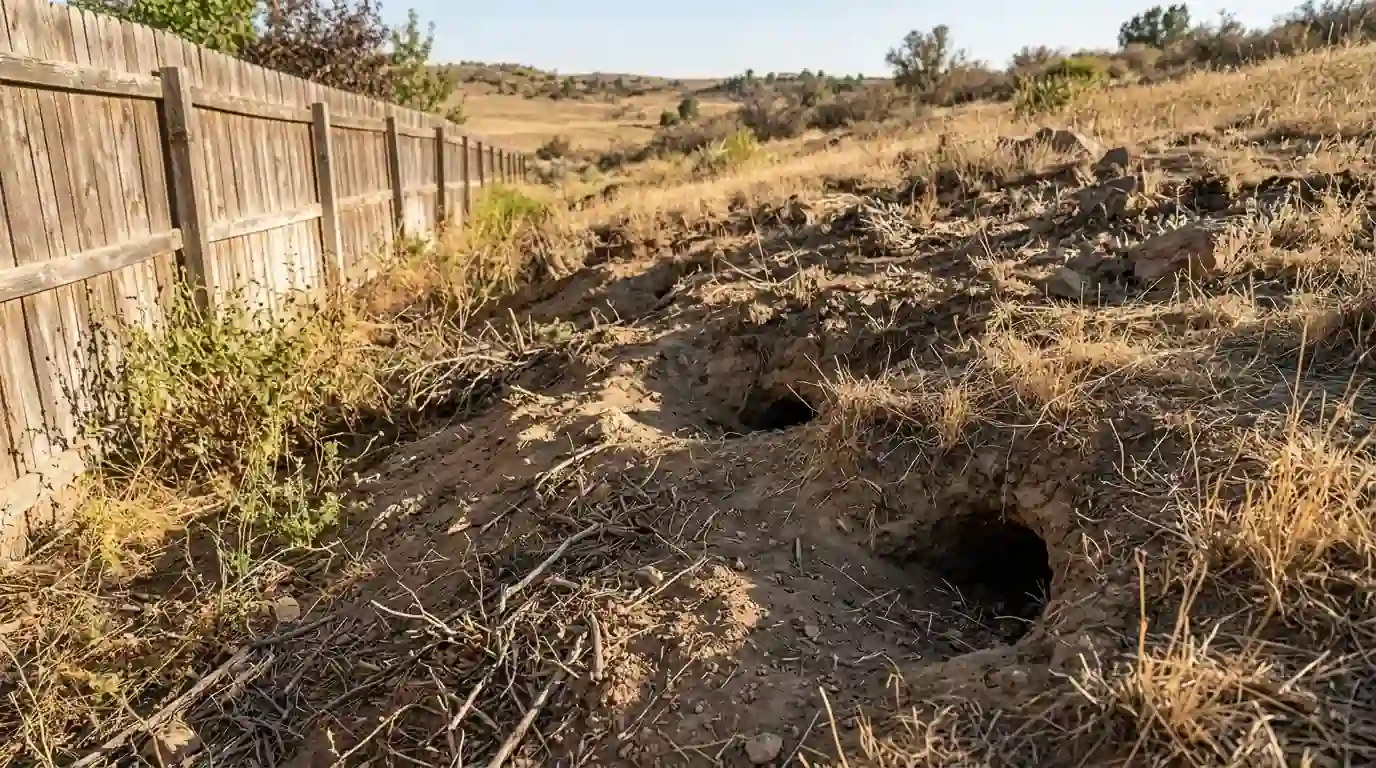
Burrow systems undermining slopes, walls and patios on hill-edge lots.
Coverage
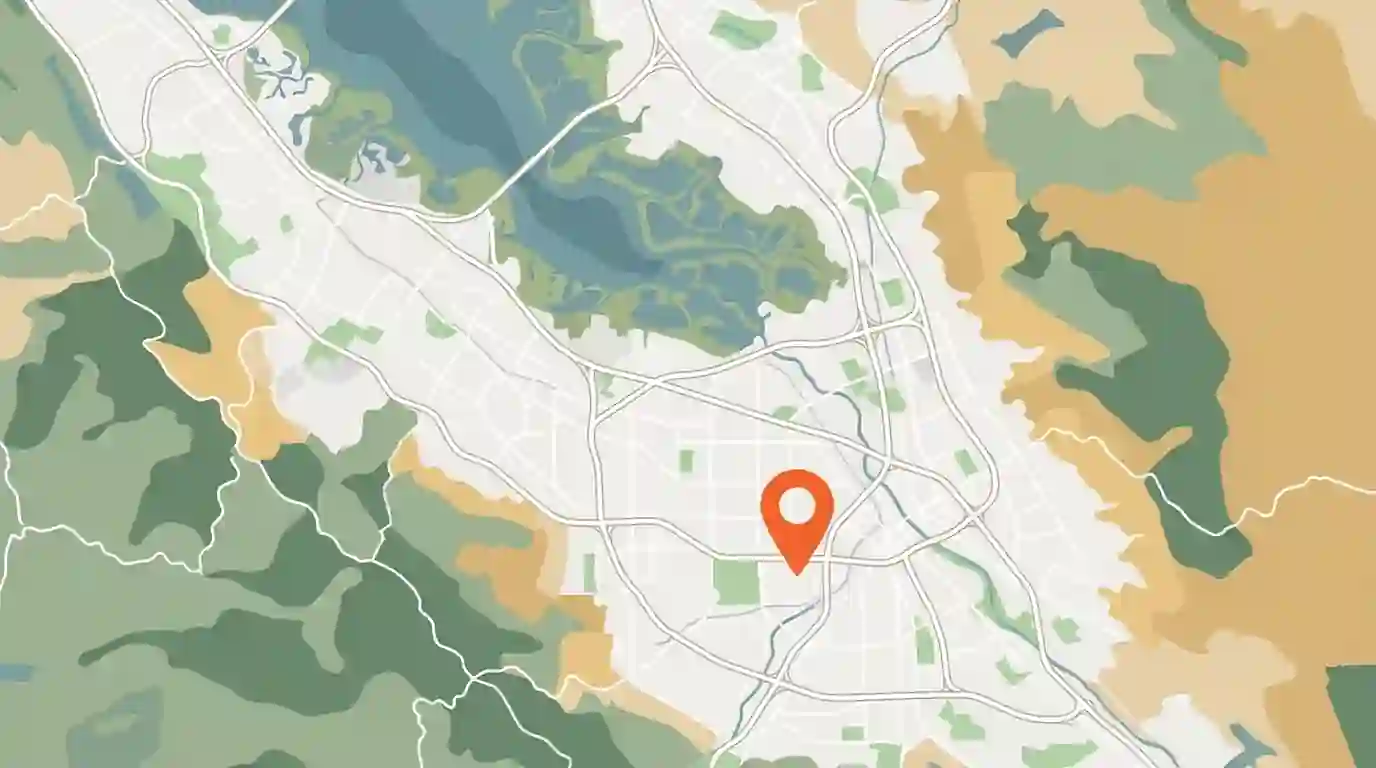
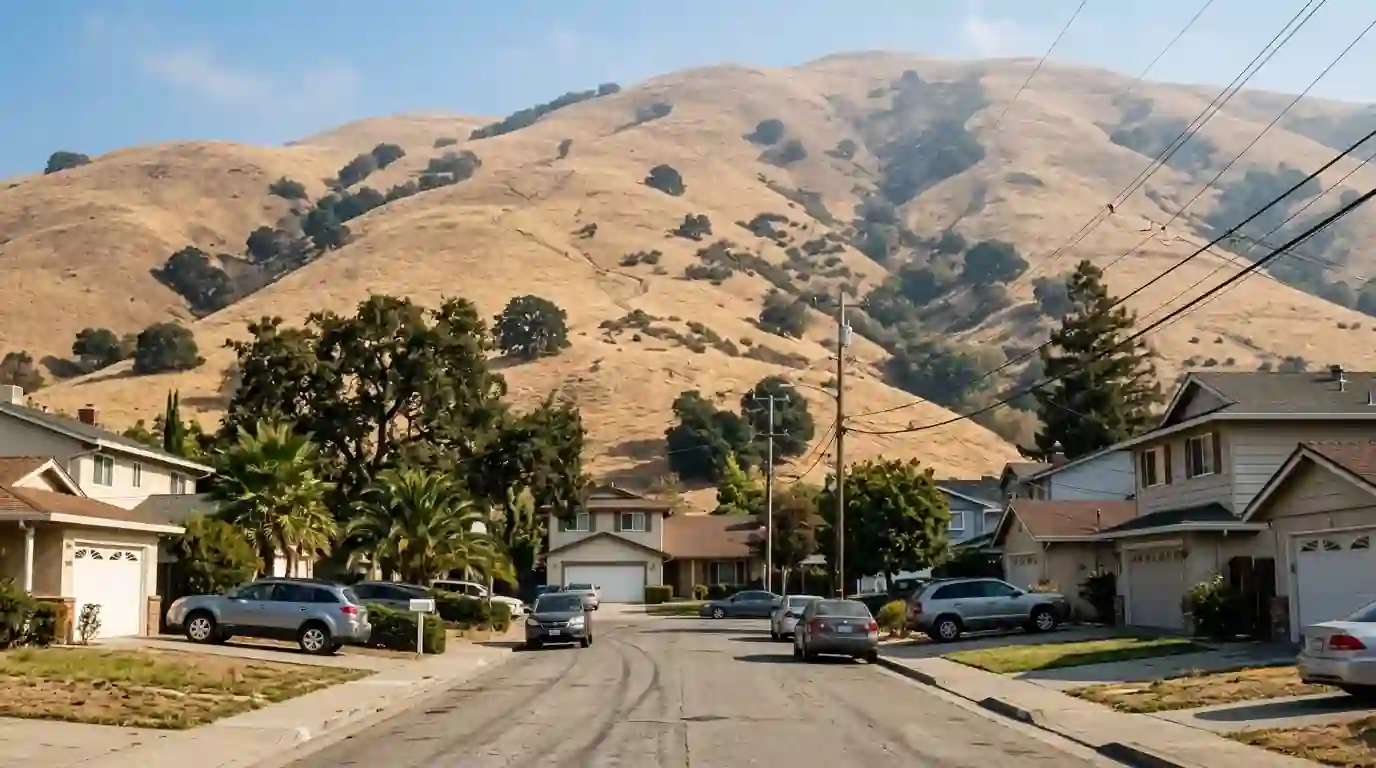
Fremont spans flat suburban tracts and homes right against the hill edge, and the pest picture changes completely between the two.
Local focus
Short answer
Pest control in Fremont runs on the same catalog we use across the Bay Area, with the emphasis set by what this area actually produces: ground squirrels, roof rats and the conditions behind them. Phones are answered around the clock and crews route out from the San Jose service office.
On the flats, the work is the standard suburban set: ants pressing in from irrigated landscaping, rodents at garage doors and vents, spiders in garages. Predictable, and mostly solved with perimeter work and sealing.
Against the hills it changes. Properties bordering open space pick up ground squirrels undermining slopes and retaining walls, ticks at the brush line, and wildlife working the fence lines after dark. Those lots need edge management rather than a single treatment, because the pressure is coming from land nobody owns.
What we see here
Burrow systems undermining slopes, walls and patios on hill-edge lots.
Standard across the city, with canopy and fence lines as the routes.
Brush line pressure on properties backing onto open space.
Heavy on irrigated flat lots through the warm months.
On the ground
Crews run out of the San Jose service office, and routing is built around the day rather than a fixed territory, so a wasp nest or a biting-pest call gets moved up regardless of which part of the coverage area it sits in. Inspections and scheduled service book within a few days.
Coverage here takes in the flat residential tracts, the neighborhoods against the hill edge and the industrial corridors. If you are just outside what is listed, call anyway and we will tell you plainly whether we can route to you rather than taking a booking we cannot keep.
Local detail
For hill-edge properties the realistic goal is managing a boundary, not clearing a population. Ground squirrel colonies extend well past any fence line, ticks are re-seeded by wildlife crossing nightly, and a single treatment just resets a clock that is always running.
What works is scheduled checks timed to the seasons that matter, burrow treatment focused on the structural points, slabs, retaining walls and footings, and a cleared buffer strip between wild growth and the usable yard. Those three together do more than any number of one-off visits.
Fremont's hill edge is the variable that changes the job. Properties against open space pick up ground squirrels undermining slopes and retaining walls, ticks questing at the brush line, and nightly wildlife traffic along the fence lines, while flat-tract homes a mile away see almost none of it. The edge needs managing on a schedule rather than treating once, because the pressure comes from land nobody owns and nobody treats.
Straight answers
Their burrow chambers remove soil from under slabs, retaining walls and footings, and winter water follows the voids. That is the part worth acting on even when the animals do not bother you.
Rarely. A mile from the hill edge the work is standard suburban pest control: perimeter, sealing and the usual ant and rodent pressure.
If you back onto open space, it is worth managing the edge. Ticks wait in the brush line rather than the lawn, so treatment and a cleared buffer target the same strip.
It can knock the current pressure down. Holding it takes scheduled checks, because the source is land outside your fence that nobody treats.
One number, answered around the clock, and a written note on what was found.
Call (669) 369-0489 any hourWhere to find us