Subterranean termites
Century-old framing with long-standing soil contact under raised foundations.
Coverage
The Rose Garden has some of the oldest and best-kept housing in the city, and with it the two problems old houses reliably bring: termites below and roof rats above.
Local focus
Short answer
Pest control in Rose Garden runs on the same catalog we use across the Bay Area, with the emphasis set by what this area actually produces: subterranean termites, drywood termites and the conditions behind them. Phones are answered around the clock and crews route out from the San Jose service office.
Period homes here come with original framing, raised foundations and crawl spaces that have been accessible for the best part of a century. Subterranean activity turns up regularly, and drywood evidence on sills is not unusual in the oldest houses.
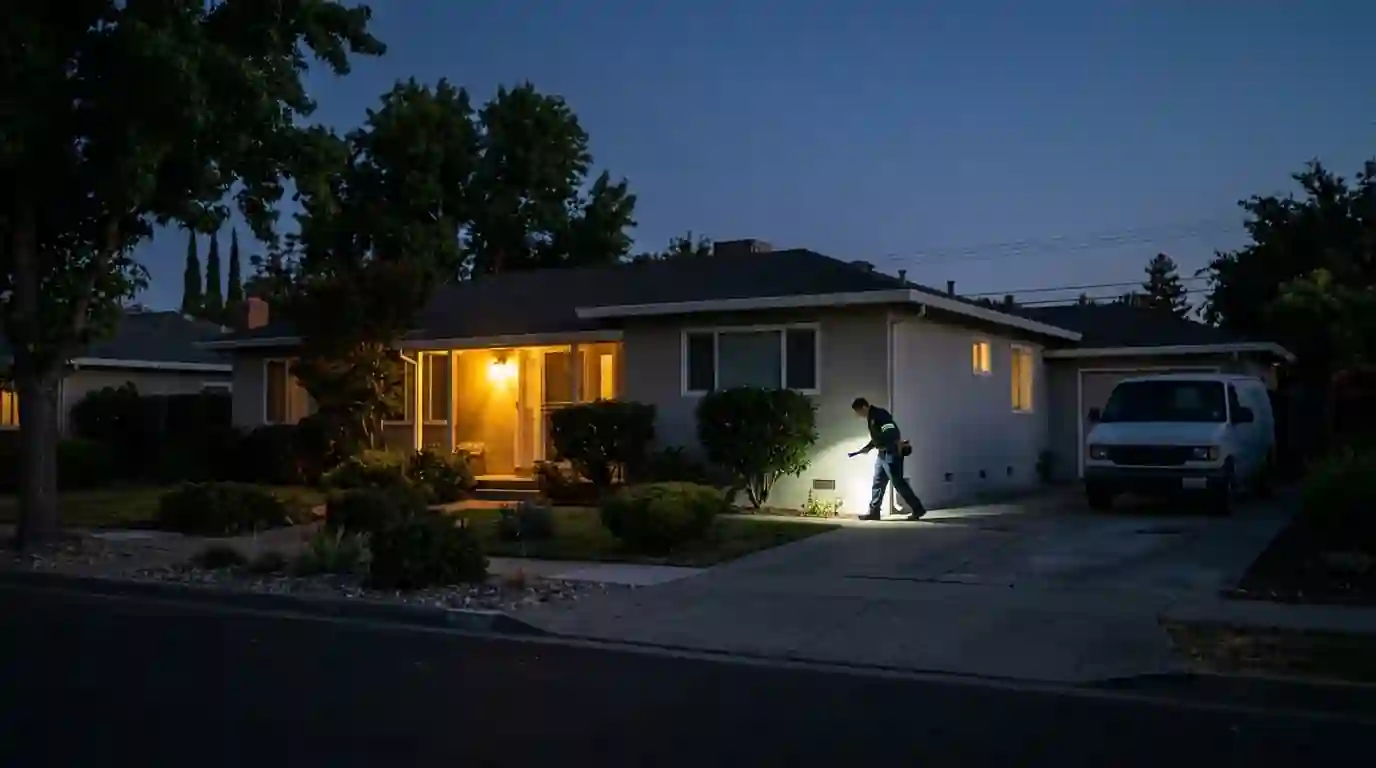
The tree cover is as established as the housing. Deep canopy over most rooflines gives roof rats a route that bypasses the ground entirely, which is why sealing the eave line matters more here than almost anywhere else in the city.
What we see here
Century-old framing with long-standing soil contact under raised foundations.
Frass on sills from original framing in the oldest houses.
Deep canopy reaching rooflines, with aging vents providing entry.
Damp framing from old leaks and heavy shade in the usual spots.
On the ground
Crews run out of the San Jose service office, and routing is built around the day rather than a fixed territory, so a wasp nest or a biting-pest call gets moved up regardless of which part of the coverage area it sits in. Inspections and scheduled service book within a few days.
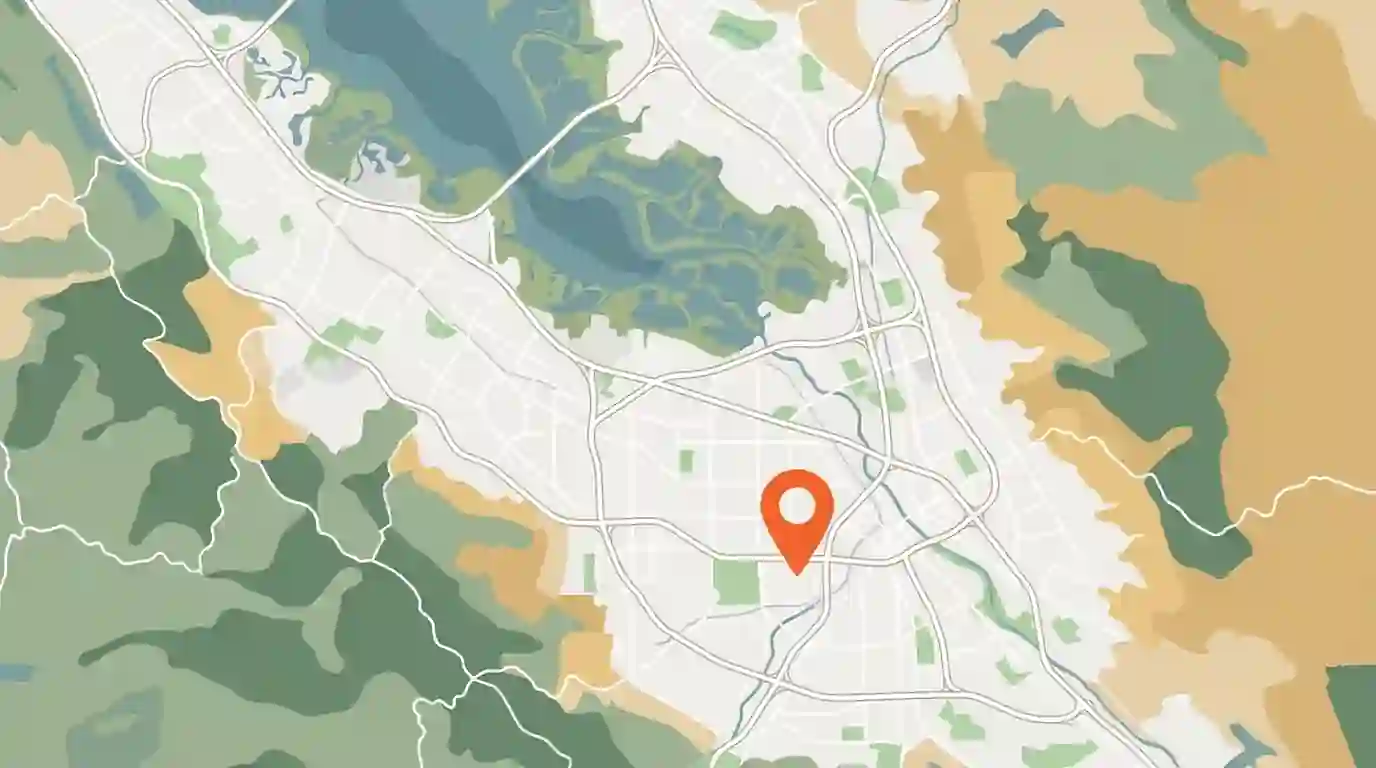
Coverage here takes in the period streets around the park, the older blocks toward the Alameda and the neighboring residential grid. If you are just outside what is listed, call anyway and we will tell you plainly whether we can route to you rather than taking a booking we cannot keep.
Local detail
Multiple additions, original framing, short clearances and finished basements all slow a proper inspection. They also mean findings get missed when somebody is working to a twenty-minute visit.
Where areas are genuinely inaccessible, a good report lists them as inaccessible rather than quietly treating them as clear, so you know exactly where the uncertainty sits.
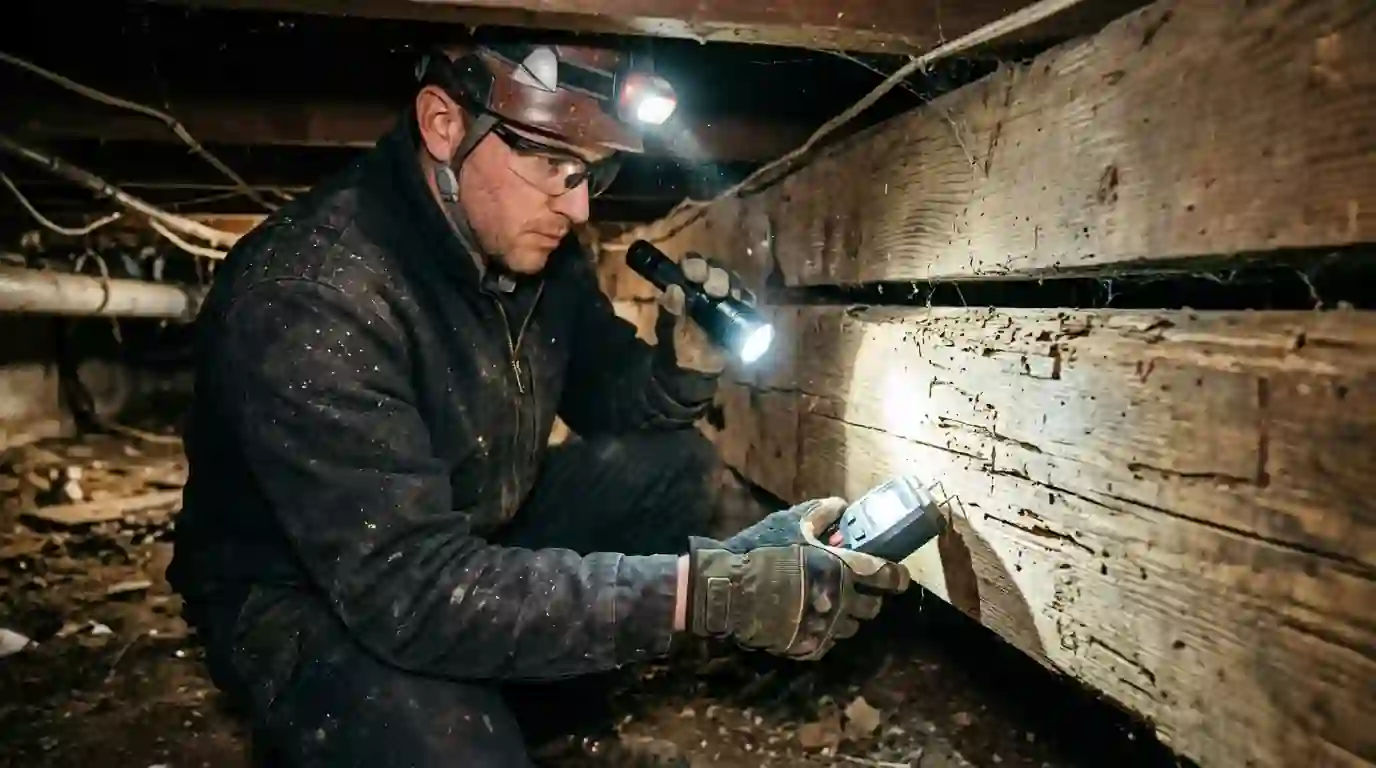
Period houses change how an inspection runs. Original old-growth framing is dense, which is part of why drywood colonies can live inside it for decades without obvious exterior damage, and why probing and sounding matter more than a visual pass. On these streets a technician should spend most of the visit in the crawl space and the attic, not walking the garden.
Straight answers
Yes, and in housing this old it is fairly common. They occupy different parts of the structure, which is why a full-structure inspection beats treating whatever you noticed first.
Hard six-sided pellets like coarse sand, usually in a small pile under a pin-sized hole. Vacuum a sample area; frass reappearing within weeks means active.
Local treatment is drilled and injected into galleries, and we discuss access on finished surfaces before anything happens rather than after.
Original framing, additions and tight clearances. Most of what matters is under the floor and in the attic, and that takes time to read properly.
One number, answered around the clock, and a written note on what was found.
Call (669) 369-0489 any hourWhere to find us