Short answer
Ground squirrels in San Jose dig extensive burrow systems that undermine slopes, patios, retaining walls and sheds. Control works at the burrow level with treatment timed to their active feeding season, plus follow-up checks, because colonies reoccupy abandoned systems quickly. Surface measures and repellents do nothing to a tunnel network that already exists.
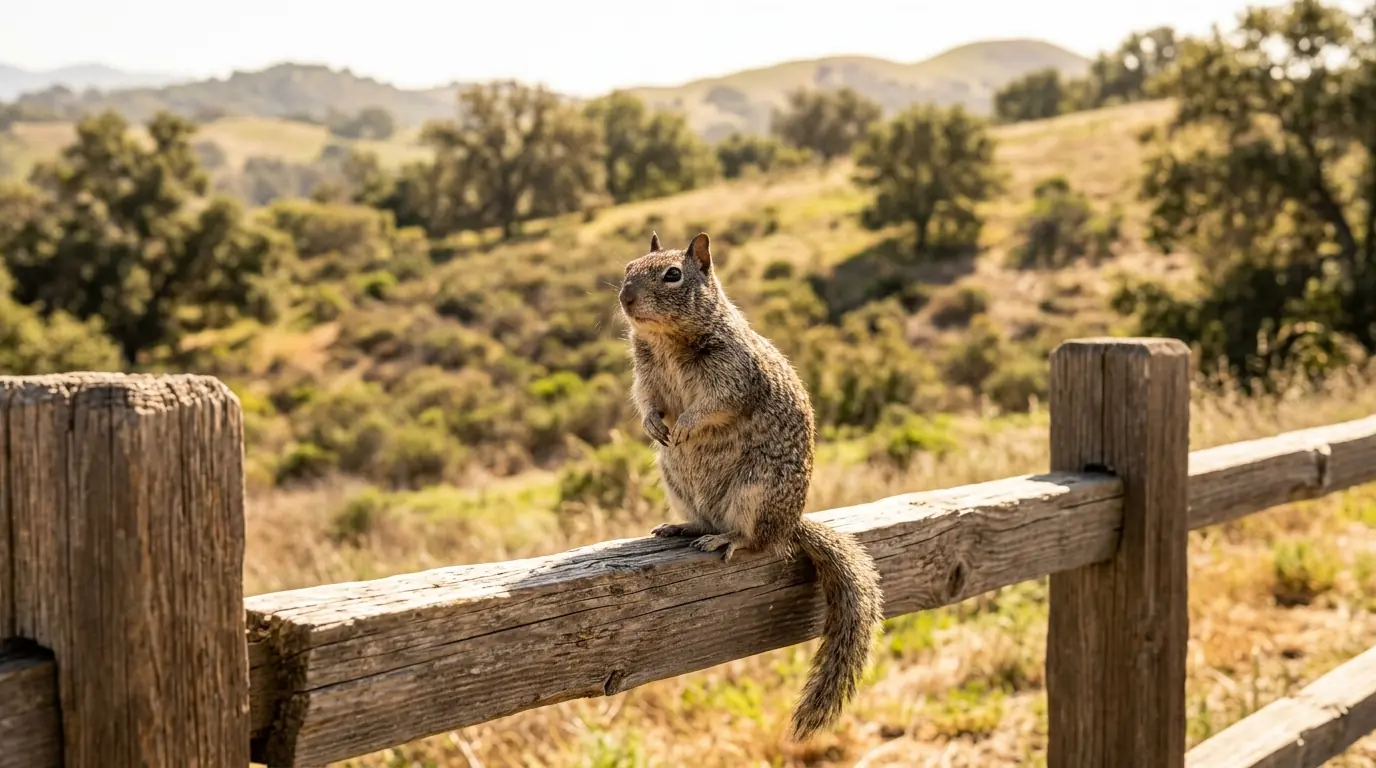
Unlike gophers, ground squirrels are social, surface-active and colonial. You see them on fence rails and retaining walls, they use multiple entrances to a shared system, and a colony can run thirty feet of tunnel under a slope with chambers deep enough to compromise the soil holding your hardscape.
The structural risk is what makes this worth acting on rather than tolerating. Burrows under slabs, walls and footings remove supporting soil, and in heavy rain the voids channel water into places it should not go. The animals also damage irrigation and strip gardens, and they are a known flea host, which matters on properties with dogs.
What sets the price on ground squirrel work
Pricing tracks the number of active systems and how many return visits the pressure demands.
| What moves the price | How it moves it |
|---|---|
| Active burrow count | Each system treated and recorded adds time on every visit. |
| Property size and terrain | Slopes, acreage and field edges take far longer to walk than a flat yard. |
| Boundary pressure | Lots next to open ground need scheduled returns rather than a single pass. |
| Structural involvement | Burrows under slabs and walls need careful treatment and documentation. |
| Season | Spring activity peaks mean heavier work; winter visits are mostly monitoring. |
| Access restrictions | Livestock, pets, schools and neighboring properties shape placement choices. |
No published local range covers ground squirrel work, so the quote comes from the site walk with the active system count in it.
Burrow control
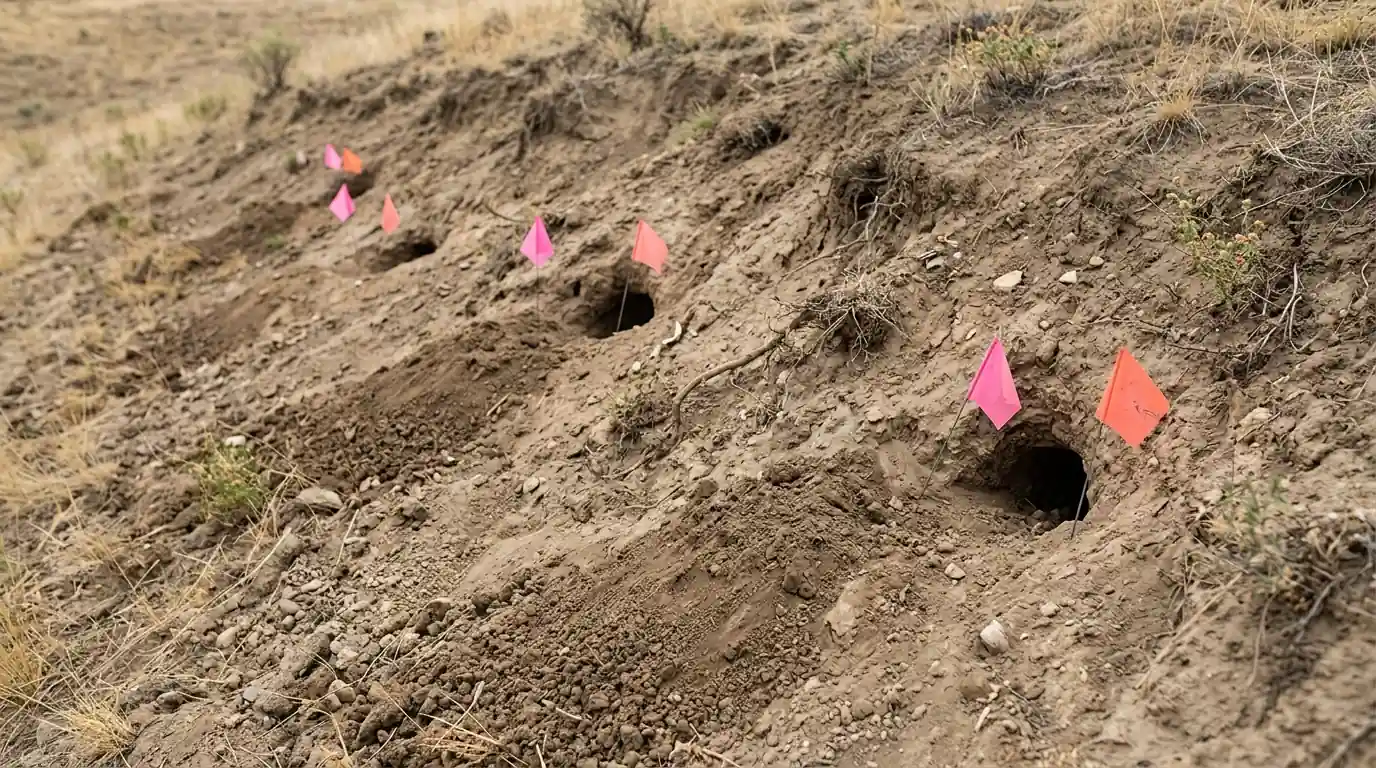
Treatment goes into the burrow system itself, not the surface. We first separate active openings from abandoned ones, which matters because a colony may keep ten holes and use three; fresh soil throws, worn entrances and visible traffic sort them out. Treated systems are then marked and re-checked, because squirrels reopen plugged entrances and sometimes shift to a neighboring system rather than leaving. Properties with children and pets get the plan explained in full before anything is placed.
Slope and field programs
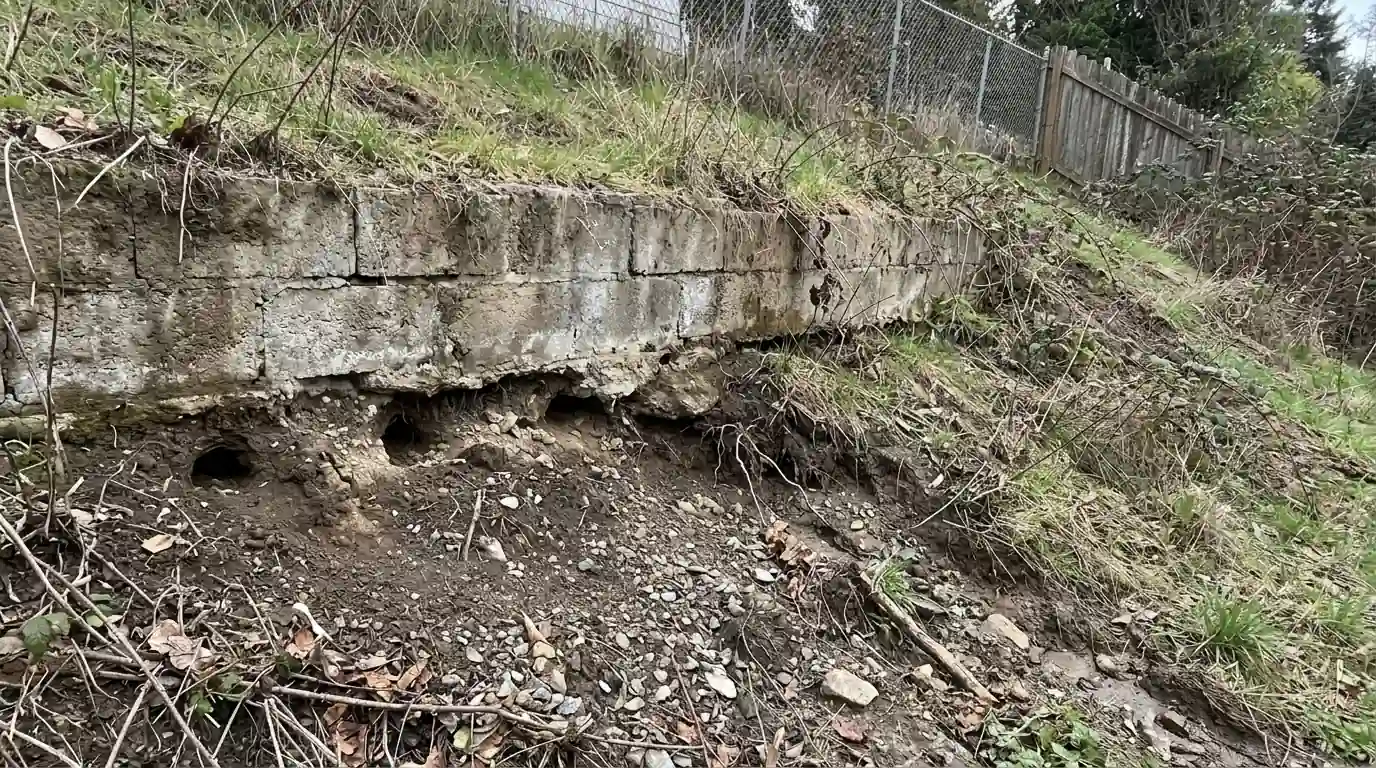
Larger properties, slopes behind retaining walls, open field edges and commercial parcels get managed as a program rather than a visit. Colonies at a field boundary continually resupply the treated area, so the honest plan is scheduled checks that catch reoccupation early, usually with heavier work in late winter and spring when the population is most active and most vulnerable. We also flag the structural points, under the wall footing, beside the slab, at the culvert, where burrowing causes the most expensive damage.
What the site visit covers
This is a mapping job first. Treating holes without knowing which ones connect is how properties stay infested for years.
- Walk of the slopes, structures and field edges with burrow openings mapped
- Active versus abandoned sorting by soil throw and traffic signs
- Structural check at slabs, retaining walls, footings and culverts
- Irrigation and garden damage noted where it has started
- Treatment of the active systems, with placements recorded
- Follow-up schedule set to the season and the colony size
- Notes on vegetation and feed sources that keep the colony fed
How a burrow program runs
Map the systems
Openings get sorted into active and abandoned before any treatment goes in.
Check the structures
Slabs, walls and footings get looked at for undermining while we are on site.
Treat the active burrows
Work goes into the systems in use, placed and recorded hole by hole.
Re-check
Reopened entrances and new throws tell us where the colony moved.
Re-treat until quiet
The job closes when consecutive checks show no new activity.
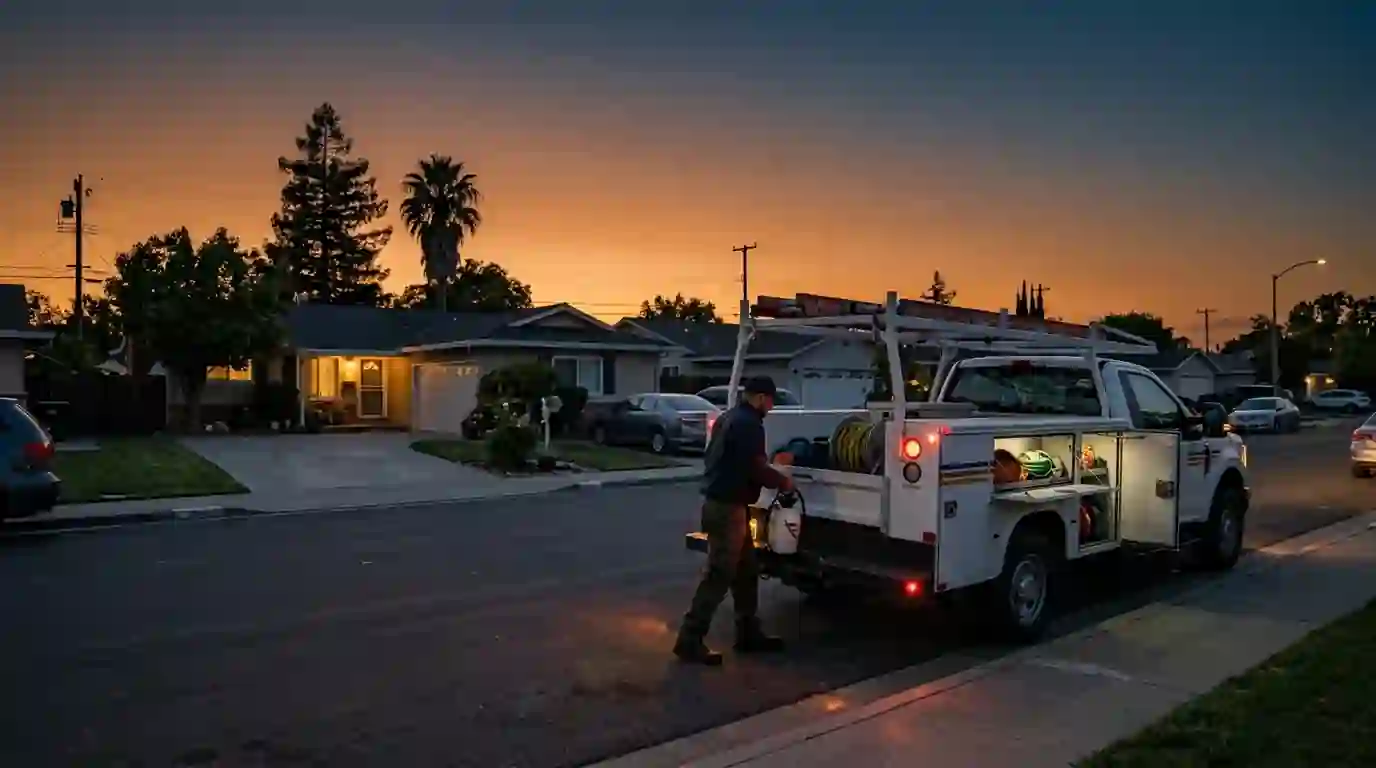
Burrows opening up beside the patio slab? Get it mapped this week.
Call (669) 369-0489What we see around San Jose
This is a property-edge problem in San Jose. Homes backing onto open hillside, creek banks, school fields and undeveloped parcels get continuous pressure from colonies living just over the line, while interior neighborhood lots rarely see them at all. If your property sits on that boundary, the realistic goal is managing the edge rather than eliminating a population that extends well past your fence, and the structural points are what we prioritize.
Related reading: how to tell what is in your attic.