Roof rats
Older rooflines and aging vents, with dry grass supplying pressure in summer.
Coverage
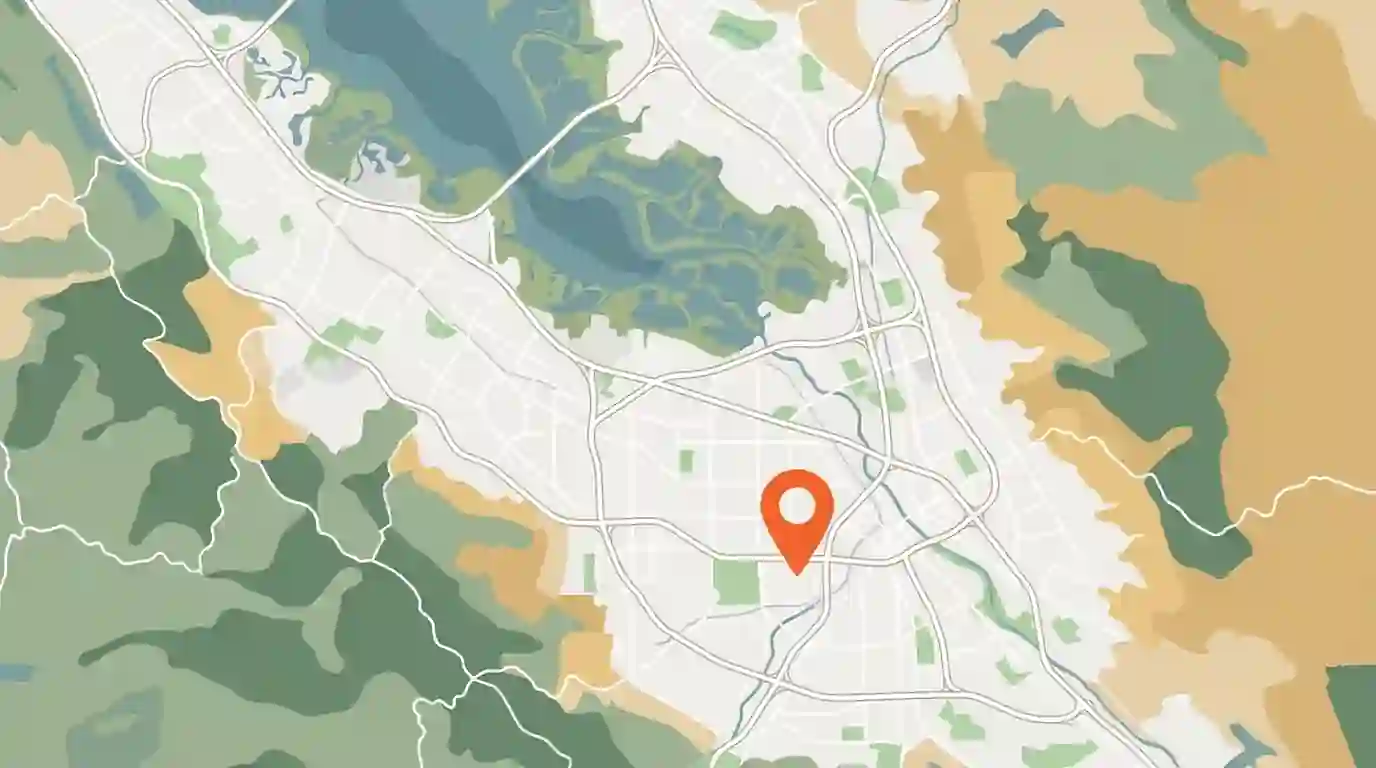
Alum Rock runs from established residential streets up against the eastern foothills, and the foothill edge drives a noticeably different set of calls.
Local focus
Short answer
Pest control in Alum Rock runs on the same catalog we use across the Bay Area, with the emphasis set by what this area actually produces: roof rats, ground squirrels and the conditions behind them. Phones are answered around the clock and crews route out from the San Jose service office.
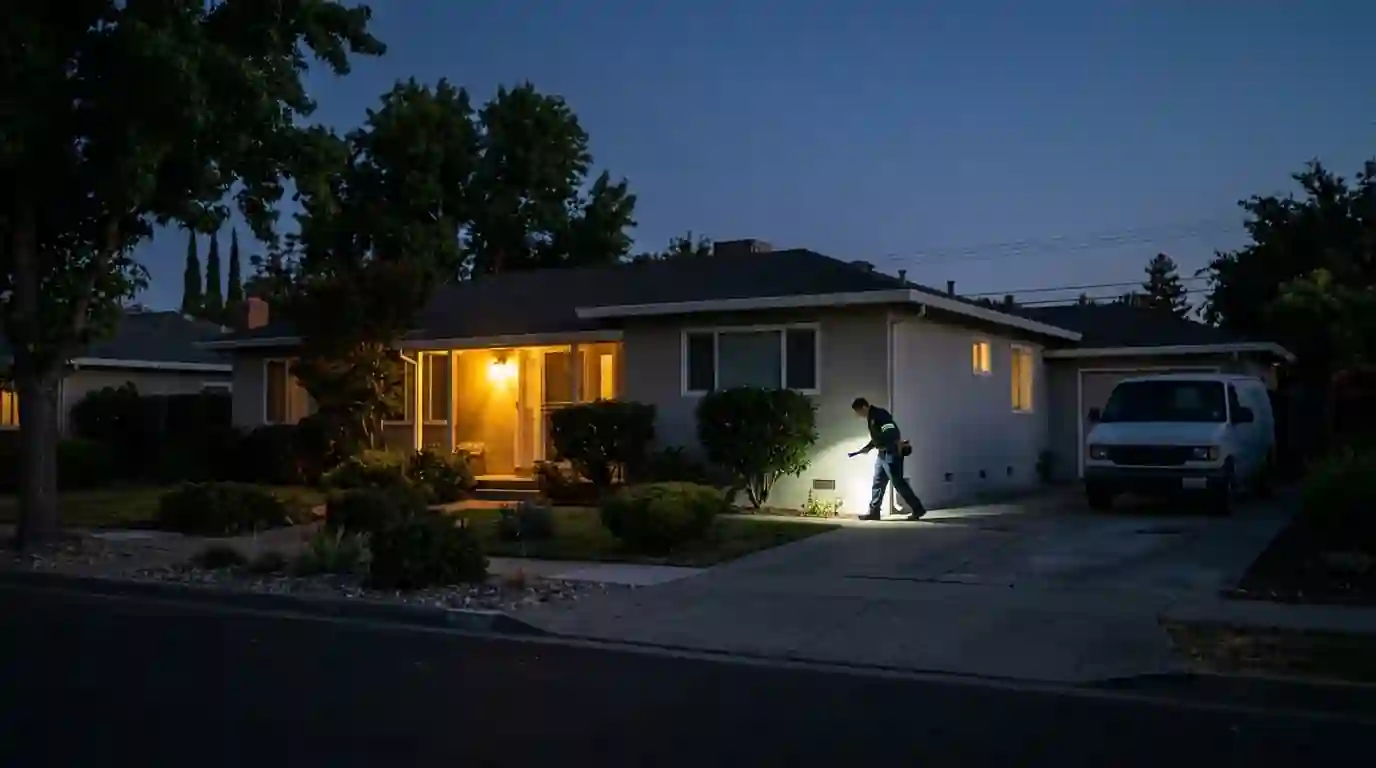
Properties against the hills and the park corridor get wildlife traffic, ground squirrels on the slopes, and rodents moving down from dry grass through the warm months. Those lots need edge management rather than a single treatment.
Further into the neighborhood, the work is the older-housing standard: rodents at vents and rooflines, ant trails from irrigated landscaping, and enough aging framing that termite inspections are worth booking on the older streets.
What we see here
Older rooflines and aging vents, with dry grass supplying pressure in summer.
Burrows on the slopes and along the open-ground boundaries.
Skunks, raccoons and opossums working fence lines from the park corridor.
Steady year-round pressure from irrigated landscaping against foundations.
On the ground
Crews run out of the San Jose service office, and routing is built around the day rather than a fixed territory, so a wasp nest or a biting-pest call gets moved up regardless of which part of the coverage area it sits in. Inspections and scheduled service book within a few days.
Coverage here takes in the residential streets toward the hills, the blocks near the park corridor and the older housing on the valley floor. If you are just outside what is listed, call anyway and we will tell you plainly whether we can route to you rather than taking a booking we cannot keep.
Local detail
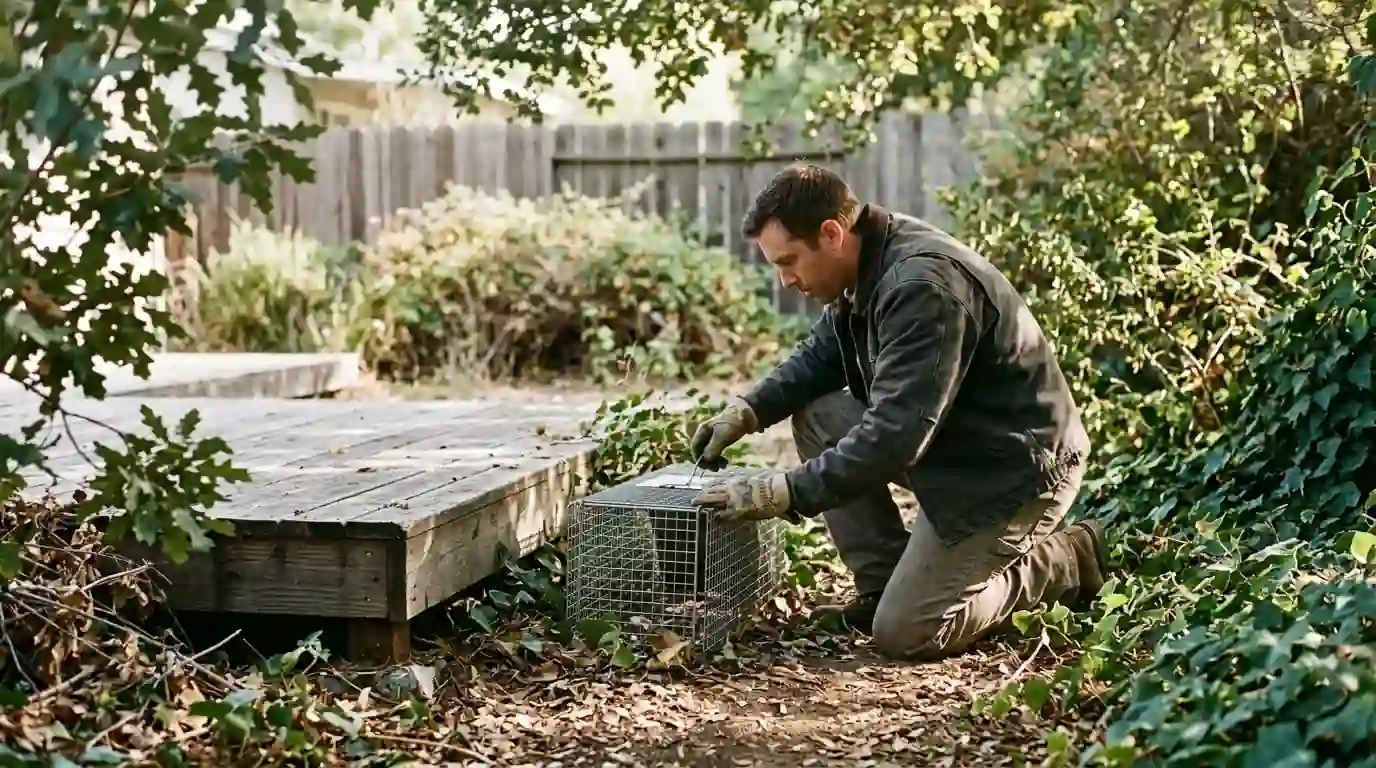
As the hillside grass dries out, everything living in it starts looking for water and food, and irrigated yards against the hill are the nearest source. That is when rodent calls on these streets climb.
Sealing before that happens is the cheap version. A garage door sweep, screened vents and a tidy fence line in spring prevent most of what otherwise arrives in August.
The foothill boundary is what makes this part of the city different. Dry grass through summer pushes rodents toward irrigated yards and structures, wildlife moves nightly along the park corridor, and burrowing animals work the slopes above the houses. Properties on that edge do better with periodic checks and sealed structures than with one treatment a year.
Straight answers
The hillside dries out and everything in it moves toward irrigated yards. Properties on the edge feel that shift first.
Yes. Removal is timed around any young and the den or entry gets closed, which is the part that keeps it from repeating.
On the properties right against open ground, yes, and the structural points, walls, slabs and footings, are what we prioritize.
If it has aging framing close to grade, yes. A first inspection either finds something early or gives you a clean baseline.
One number, answered around the clock, and a written note on what was found.
Call (669) 369-0489 any hourWhere to find us