Roof rats
Mature canopy and raised foundations give them routes in at both ends of the house.
Coverage
Up the Peninsula the mix shifts: more coastal damp, more mature trees and a lot of housing old enough that termite and rodent work comes as a pair.
Local focus
Short answer
Pest control in San Mateo County runs on the same catalog we use across the Bay Area, with the emphasis set by what this area actually produces: roof rats, subterranean termites and the conditions behind them. Phones are answered around the clock and crews route out from the San Jose service office.
San Mateo County runs from the bay shoreline up over the ridge to the coast, and that short distance changes the pest picture more than the mileage suggests. Fog-belt neighborhoods hold moisture that keeps crawl spaces damp, which brings silverfish, earwigs and the conditions wood-destroying organisms want.
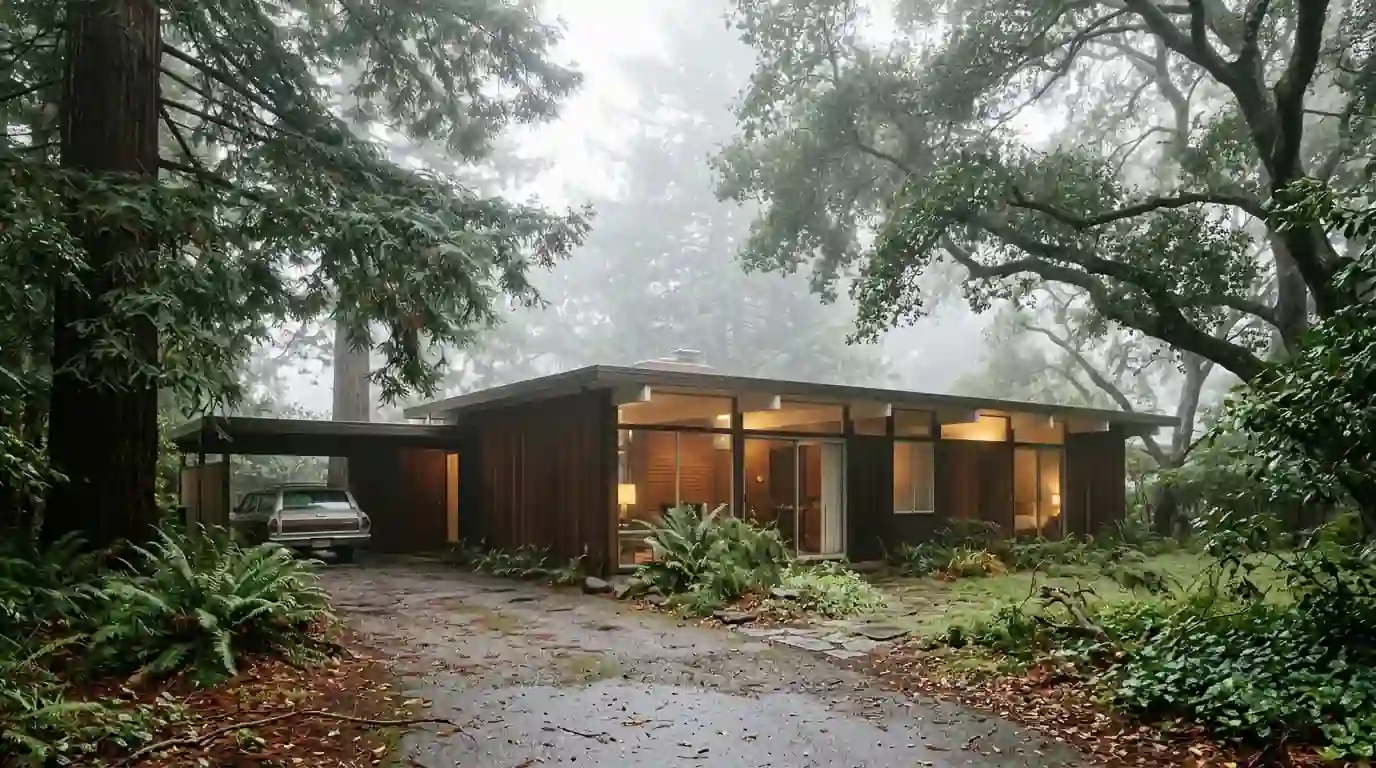
The housing is the other factor. Large parts of the Peninsula were built mid-century or earlier, with raised foundations, wood siding and mature canopy right over the roofline. That combination is a roof rat highway and a termite opportunity at the same time, which is why inspections here frequently turn up both.
What we see here
Mature canopy and raised foundations give them routes in at both ends of the house.
Damp soil against older framing is the standing invitation here.
Coastal moisture keeps crawl spaces and bathrooms attractive year-round.
Raccoons and skunks work the creek corridors and the gaps under older decks.
On the ground
Crews run out of the San Jose service office, and routing is built around the day rather than a fixed territory, so a wasp nest or a biting-pest call gets moved up regardless of which part of the coverage area it sits in. Inspections and scheduled service book within a few days.
Coverage here takes in Redwood City, San Mateo, Burlingame, Menlo Park, Palo Alto's northern edge and the towns along the ridge. If you are just outside what is listed, call anyway and we will tell you plainly whether we can route to you rather than taking a booking we cannot keep.
Local detail
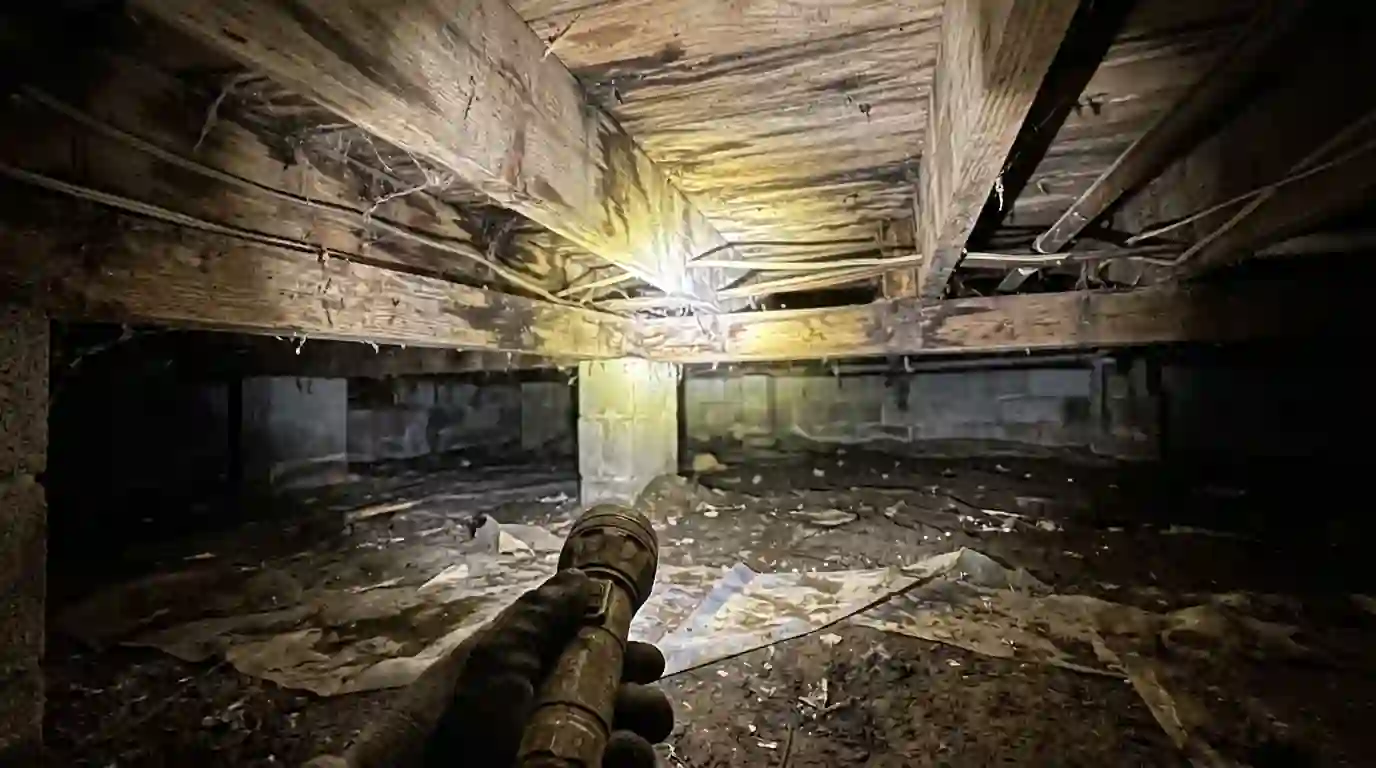
The practical difference on the Peninsula is drying time. Framing that gets wet here stays wet longer, which extends the window in which subterranean termites, decay fungi and wood-boring beetles can all work the same piece of wood. Crawl space ventilation that would be adequate in the South Bay often is not here.
That shows up in what we recommend. On Peninsula jobs the moisture notes on an inspection report tend to matter as much as the pest findings, because correcting the damp is usually what stops the problem repeating two years later.
Peninsula housing gives rodents two routes at once: mature canopy reaching the roofline above, and raised foundations with aging crawl space vents below. We work both ends on the same visit here as a matter of course, because sealing one and leaving the other simply moves the entry point rather than closing it. The coastal damp adds a second layer, keeping crawl spaces humid enough that wood-destroying organisms and moisture pests show up in the same inspections.
Straight answers
Yes, it is part of the standard routing out of San Jose. Call with your address and you will get a realistic window for the day rather than a guess.
Because it drives the structural pests. Fog-belt damp keeps framing wet longer, which widens the window for termites, decay and wood-boring beetles to work the same wood.
Routinely. Those crawl spaces are where most of the useful evidence lives, and an inspection that skips them is not worth much.
The inspections overlap, so we often find both. Treatment is quoted separately because they are genuinely different jobs.
One number, answered around the clock, and a written note on what was found.
Call (669) 369-0489 any hourWhere to find us