
Short answer
Termite damage repair in San Jose covers the carpentry that follows treatment: replacing compromised sill plates, joists, posts, subfloor sections, fascia and trim. The assessment separates structural damage from cosmetic, and the moisture condition that let it happen gets corrected at the same time or it simply repeats.
People are often surprised that these are two separate jobs and two separate quotes. They should be. Treatment is about ending a colony; repair is carpentry, priced by what has to be cut out and replaced. Combining them into one vague number is how homeowners end up paying for repairs that were never needed.
The assessment is therefore the useful part. Probing and sounding tell us what has lost structural integrity versus what looks ugly and still carries load, and those get quoted separately so you can decide. Repairs should always follow treatment rather than precede it; replacing a joist while the colony is still feeding is money spent twice.
What repair work costs
Carpentry prices by access and by how much has to come out, so the crawl space assessment is what sets the number.
| What moves the price | How it moves it |
|---|---|
| Structural versus cosmetic | Load-bearing members need support and more labor than trim replacement. |
| Access | Tight crawl spaces and second-story fascia both slow the work considerably. |
| Extent of loss | Cutting back to sound material often reveals more than the surface suggested. |
| Member type | Sills, posts and girders cost more to replace than rim boards or trim. |
| Finish work | Paint matching and stucco patching may involve another trade. |
| Moisture correction | Drainage, gutter and flashing fixes are quoted alongside so the repair lasts. |
Repairs are quoted separately from any treatment, in writing, so you can see exactly what each half of the job costs.
Sill and joist repair
The structural work, almost always in the crawl space. Sill plates sitting on a damp foundation, the ends of floor joists, rim joists and posts are what subterranean colonies reach first, and those are load-bearing. Repair means cutting back to sound material, sistering or replacing members, and treating the new wood with borates so the replacement is not simply the next meal. Where a post or girder is involved, temporary support goes in while the work is done.
Fascia and trim rebuilds
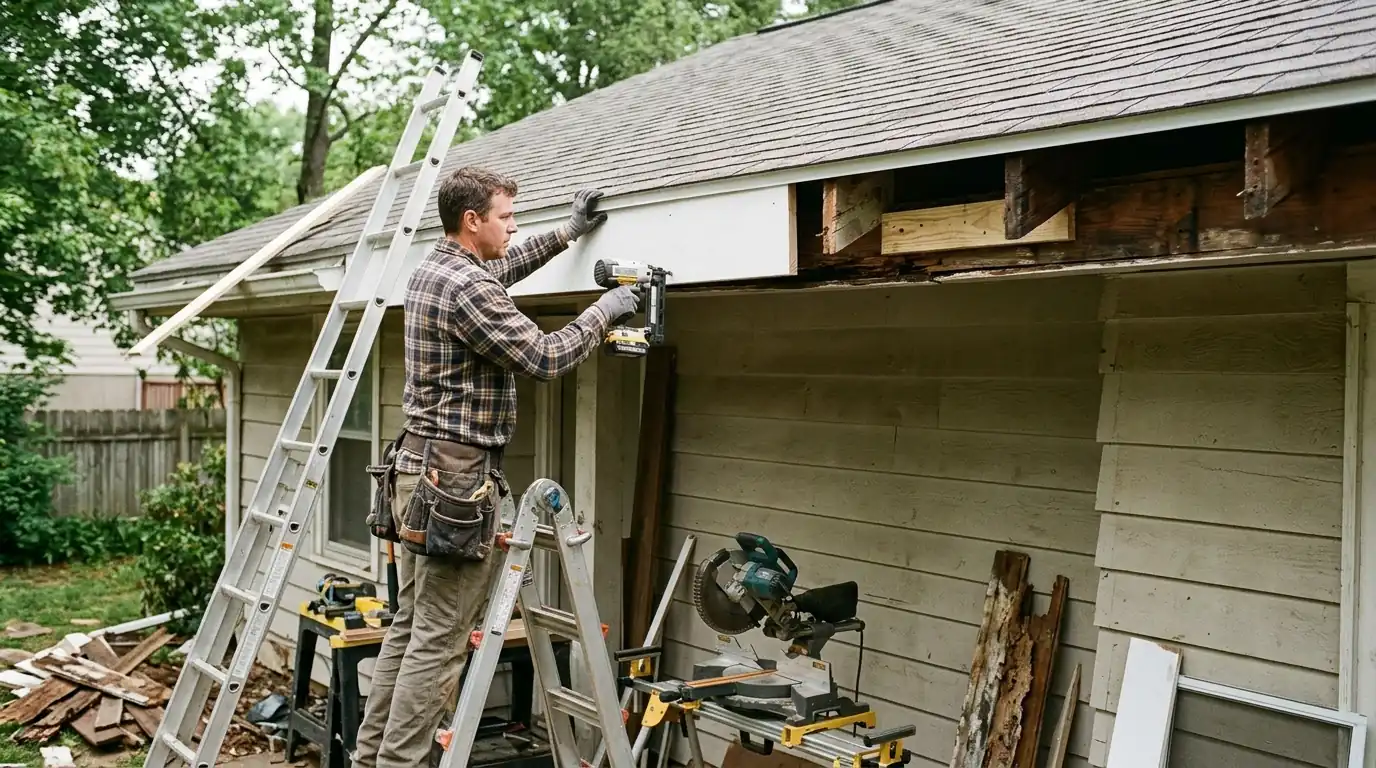
The visible half: fascia boards, barge rafters, window and door trim, thresholds, garage jambs and deck framing. Drywood colonies and long-term moisture both work these, and the repair is straightforward carpentry once the pest side is resolved. New material gets borate-treated and finished, and we flag the detail that caused it, usually a gutter overflowing onto fascia or a threshold with no flashing, because rebuilding into the same condition guarantees a repeat.
How repair work runs
Confirm treatment is done
Repairs follow treatment; replacing wood around a live colony wastes the work.
Assess and separate
Probing and sounding sort structural loss from cosmetic damage, with photos.
Scope and quote
Each area is priced on its own so you can decide what gets done now.
Repair
Damaged members cut back to sound wood, replaced, and treated with borates.
Fix the cause
Grading, drainage, gutters, ventilation or flashing get flagged and corrected where possible.

Treated last month and still have the damage? Get it scoped properly.
Call (669) 369-0489What we see around San Jose
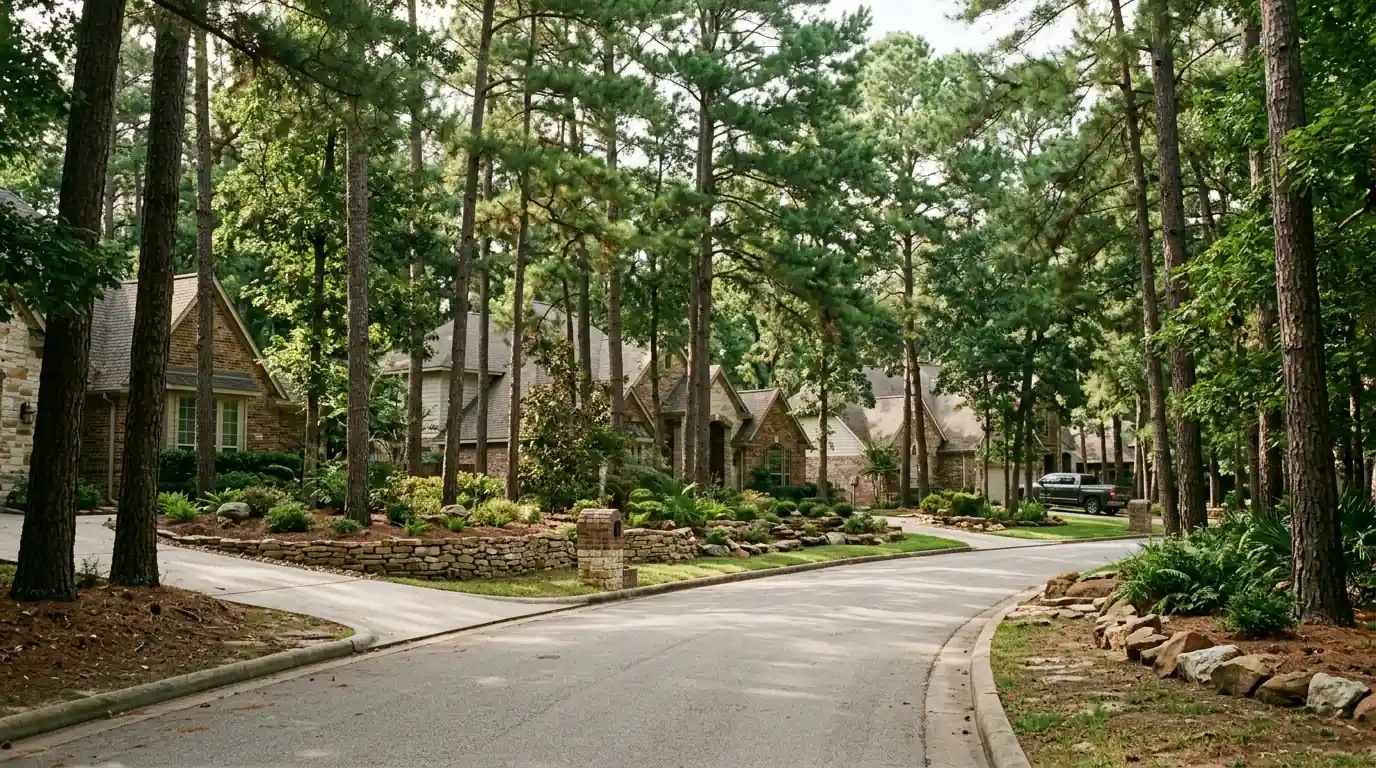
This is older-housing work, and San Jose has plenty of it. In Willow Glen and Naglee Park, pre-war homes put framing close to soil, which is the setup subterranean colonies exploit, and those are the crawl spaces where sill and joist repair comes up most. Newer slab homes see less structural damage and more trim and fascia work, which is cheaper but still worth doing before the next wet season.
Worth reading alongside this: what a termite inspection costs.