Santa Clara County
The county's most abundant rodent pest, moving along fences, branches and utility lines into attics.
Coverage detailsCoverage overview
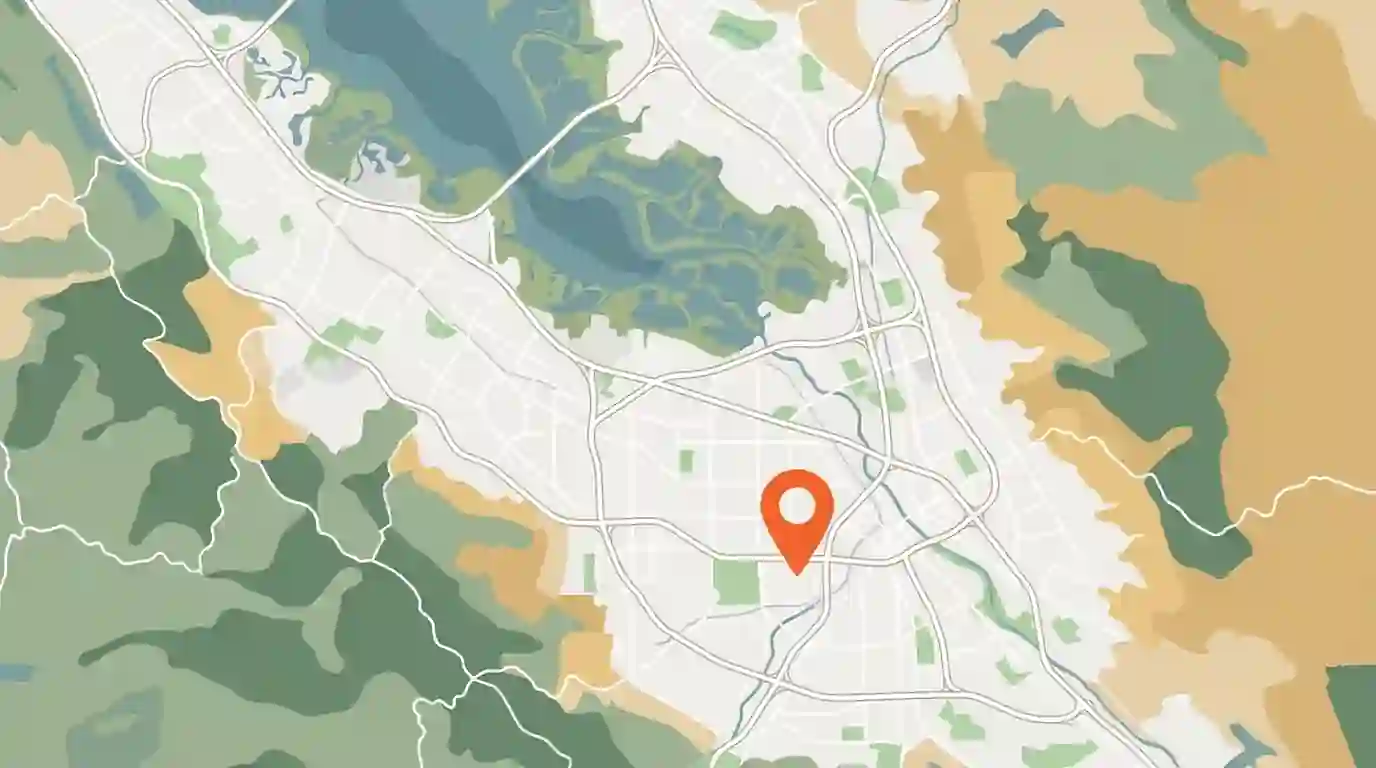
San Jose is the base and the bulk of the work, with coverage running out across the surrounding counties and the nearby cities we can route to the same day.
Coverage includes
Short answer
Coverage runs from the San Jose service office across Santa Clara, San Mateo, Alameda and Santa Cruz counties, plus North Bay termite work in Sonoma County, with nearby cities including Sunnyvale, Santa Clara, Fremont and Mountain View served on the same routing. Call with your address and we will tell you plainly whether we can get to you.
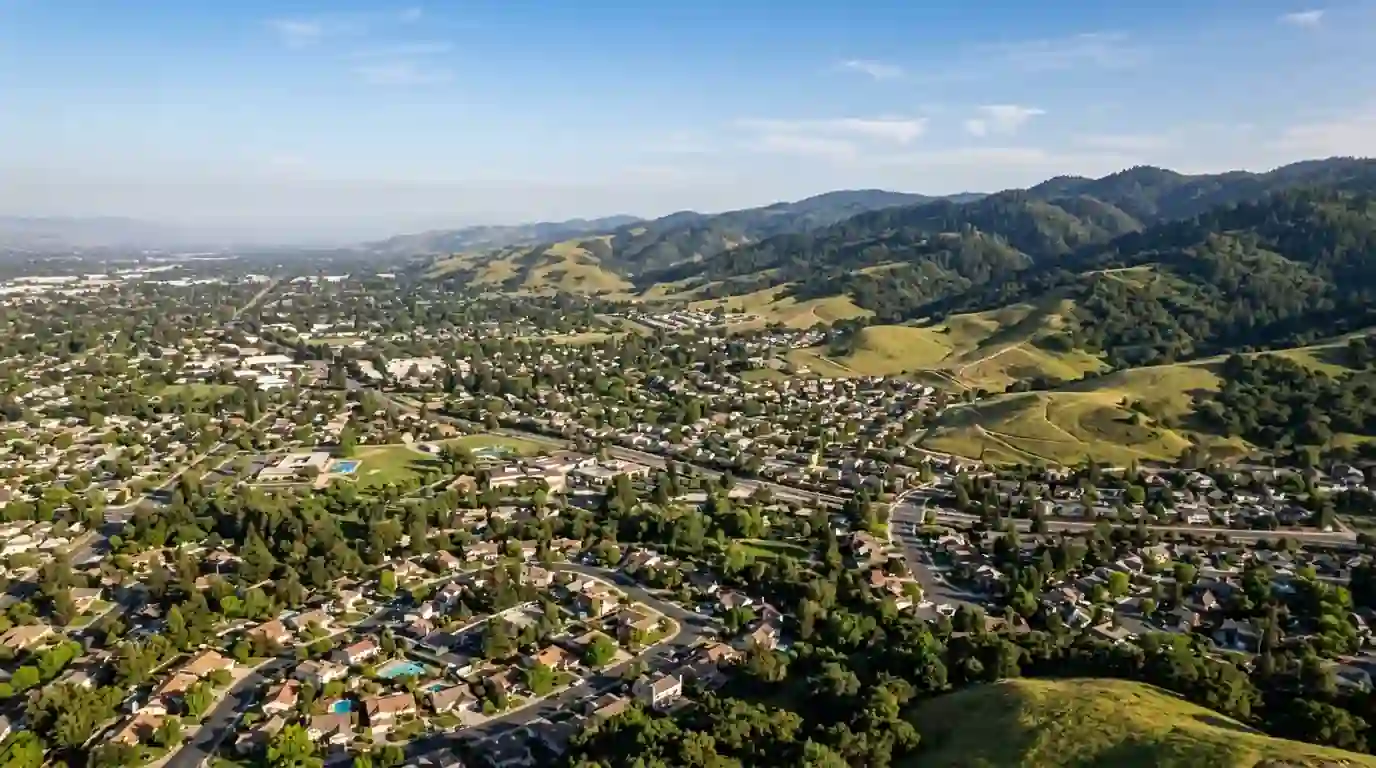
Pest pressure is not uniform across this area, and the pages below say so. The foothill towns produce different calls than the flat tracts, the Peninsula's coastal damp changes what wood-destroying organisms do, and over the hill in Santa Cruz County the moisture does most of the damage before any insect arrives.
That is also why we do not publish a service radius as a circle on a map. What matters is whether a crew can be at your address when you need one, which depends on the day's schedule as much as the mileage.
5 counties
The county's most abundant rodent pest, moving along fences, branches and utility lines into attics.
Coverage detailsMature canopy and raised foundations give them routes in at both ends of the house.
Coverage detailsDense blocks and shared fence lines let them work whole streets at a time.
Coverage detailsDamp soil and wooded lots make this the dominant structural issue.
Coverage detailsThe specialty, with local treatment and orange oil options as well as fumigation.
Coverage details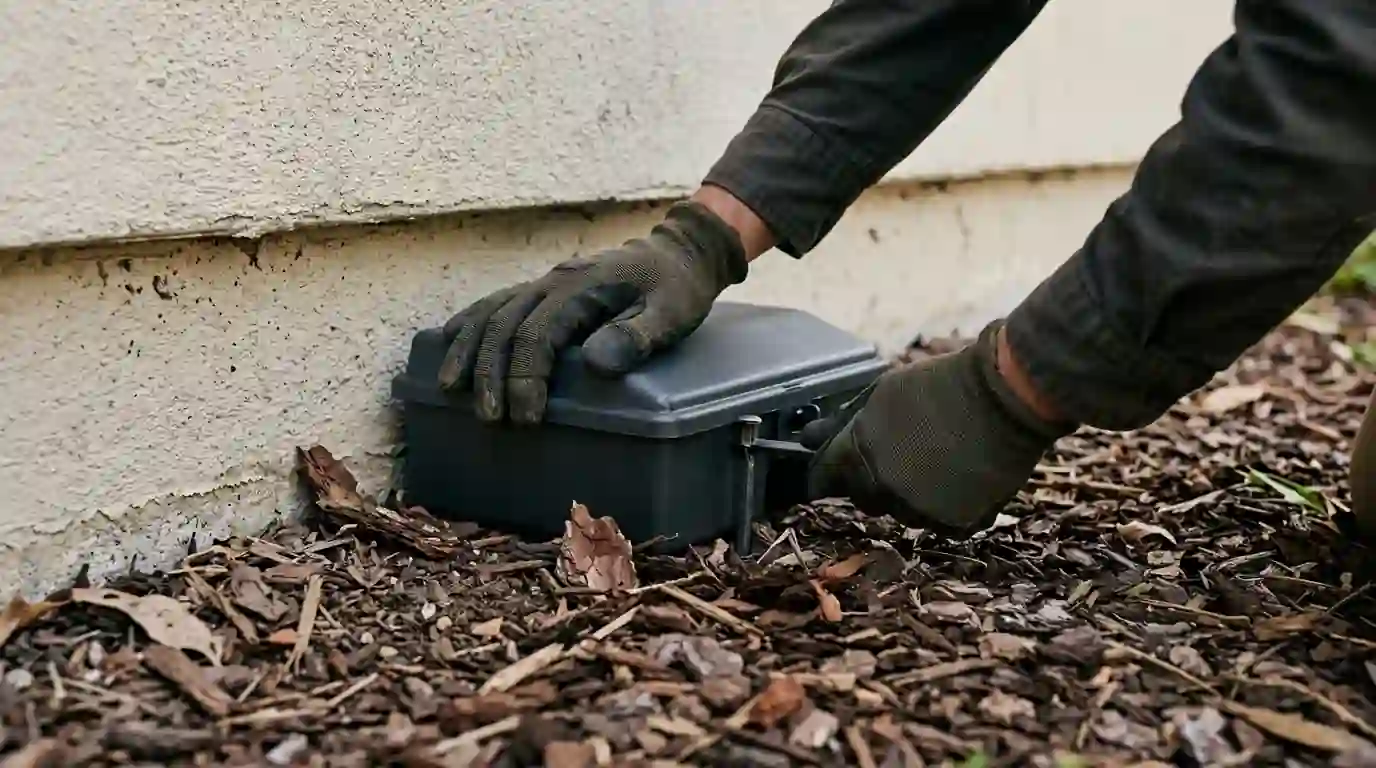
Not sure if your address is covered? Ask and we'll tell you straight.
Call (669) 369-0489Why coverage is uneven
Pest work does not scale evenly across a map. A house in a flat interior tract and one against the foothills twenty minutes away produce entirely different call sheets, and a home over the hill in the redwoods has more in common with a coastal cabin than with either. Our coverage pages say what each area actually produces rather than repeating the same paragraph with the name swapped.
That matters when you call. Telling us the street and what is around it, open space, creek, mature canopy, apartment block, usually narrows the pest before anyone sets foot on the property.
18 nearby cities
Mature canopy and aging vents make attic entry easy on the older streets.
Coverage detailsFrass on sills from original orchard-era framing is the classic local finding.
Coverage detailsBurrow systems undermining slopes, walls and patios on hill-edge lots.
Coverage detailsTight lots with landscaping against the wall keep trails coming.
Coverage detailsDense canopy reaching rooflines gives them a route that bypasses the ground entirely.
Coverage detailsDense foundation planting and irrigation keep trails coming year-round.
Coverage detailsOlder rooflines, crawl space vents and mature trees on the bungalow streets.
Coverage detailsHillside and wooded lots see raccoons, skunks and squirrels working structures regularly.
Coverage detailsDense multi-family housing keeps pressure moving between units.
Coverage detailsFruit trees and dense canopy give them food and a route to the roofline.
Coverage detailsBurrow systems undermining slopes, walls and slabs on open-ground boundaries.
Coverage detailsCanopy above and crawl space vents below give them two routes into the same house.
Coverage detailsFruit trees and deep canopy supply both the food and the route to the roofline.
Coverage detailsBurrow systems undermining slopes, walls and slabs along open-ground boundaries.
Coverage detailsMulti-family density keeps pressure moving between adjoining units.
Coverage detailsIrrigated landscaping against foundations keeps trails coming year-round.
Coverage detailsCanopy above and crawl space vents below give them two routes into the same house.
Coverage detailsDeep canopy reaching rooflines, with aging vents providing the way in.
Coverage details19 San Jose neighborhoods
San Jose is big enough that pest pressure changes by neighborhood, mostly with housing age, tree cover and how close a street sits to a creek or the foothills. These pages cover what each part of the city actually produces.
Pre-war framing sitting close to soil, with short crawl space clearances.
Coverage detailsBurrow systems undermining slopes, retaining walls and slabs on open-space boundaries.
Coverage detailsDense landscaping and irrigation against foundations keep trails coming year-round.
Coverage detailsMulti-family housing keeps pressure moving between adjoining units.
Coverage detailsMature trees over the roof and aging vents give them food and entry together.
Coverage detailsIrrigated landscaping against foundations keeps trails running year-round.
Coverage detailsCentury-old framing with long-standing soil contact under raised foundations.
Coverage detailsOlder rooflines and aging vents, with dry grass supplying pressure in summer.
Coverage detailsMixed-use buildings connect kitchens, chases and units in a way houses never do.
Coverage detailsOriginal framing close to soil under raised foundations, with decades of irrigation.
Coverage detailsBurrows on the slopes and along the open-space boundary above the housing.
Coverage detailsMature canopy over the roof and sixty-year-old vents give them food and entry together.
Coverage detailsNewer multi-family density keeps pressure moving between units.
Coverage detailsBurrow systems on slopes, retaining walls and the open-ground boundary.
Coverage detailsIrrigated landscaping against foundations keeps trails running year-round.
Coverage detailsShared walls and plumbing chases move them between adjoining units.
Coverage detailsRestaurant kitchens and older attached buildings keep pressure moving.
Coverage detailsMature canopy over the roof and sixty-year-old vents on the house stock.
Coverage detailsLinked fence lines and tree cover let them work whole blocks.
Coverage detailsHow routing works
The service office on Bernal Rd in San Jose is where the day gets built. Urgent work, stinging insects, biting pests, anything with an allergy involved, gets slotted first, and the rest of the route is arranged around it. That is why coverage is described by where crews can reach rather than by a fixed boundary.
The line is answered around the clock by someone who can tell you what the problem probably is and when a technician can be there. On the rare occasion we cannot cover a job ourselves, we will say so and point you to another local company rather than booking a visit that will not happen.

The anchor for all of this is Santa Clara County, where the vector district serves about 1.78 million residents across 15 cities and tracks the same commensal rodents that fill our schedule. San Jose sits at the center of that, and the surrounding counties each bend the picture a little: wetter on the coast side, denser in the East Bay, more wooded over the hill.
Straight answers
Pricing is set by the job rather than by the mileage, though a long run to an outlying address can affect scheduling. If distance changes anything for your job, you will hear it before you book.
Urgent calls get routed first regardless of area. For outlying addresses the honest answer depends on the day's route, and whoever answers the phone can tell you what the window looks like rather than guessing.
Our crew has worked wood-destroying organism inspection and drywood termite treatment in the North Bay for years, and that work continues. It is also the background behind how termite jobs are handled everywhere else we work.
Possibly. The pages cover the main areas rather than an exhaustive list. Call with the address and you will get a straight yes or no instead of a maybe.
Yes, with scheduled programs and documentation. Multi-site portfolios across several of these counties are handled on one plan rather than as separate accounts.
Tell us where you are and what you are seeing. You will get a straight answer on both.
Call (669) 369-0489 any hourWhere to find us