Subterranean termites
Original framing close to soil under raised foundations, with decades of irrigation.
Coverage
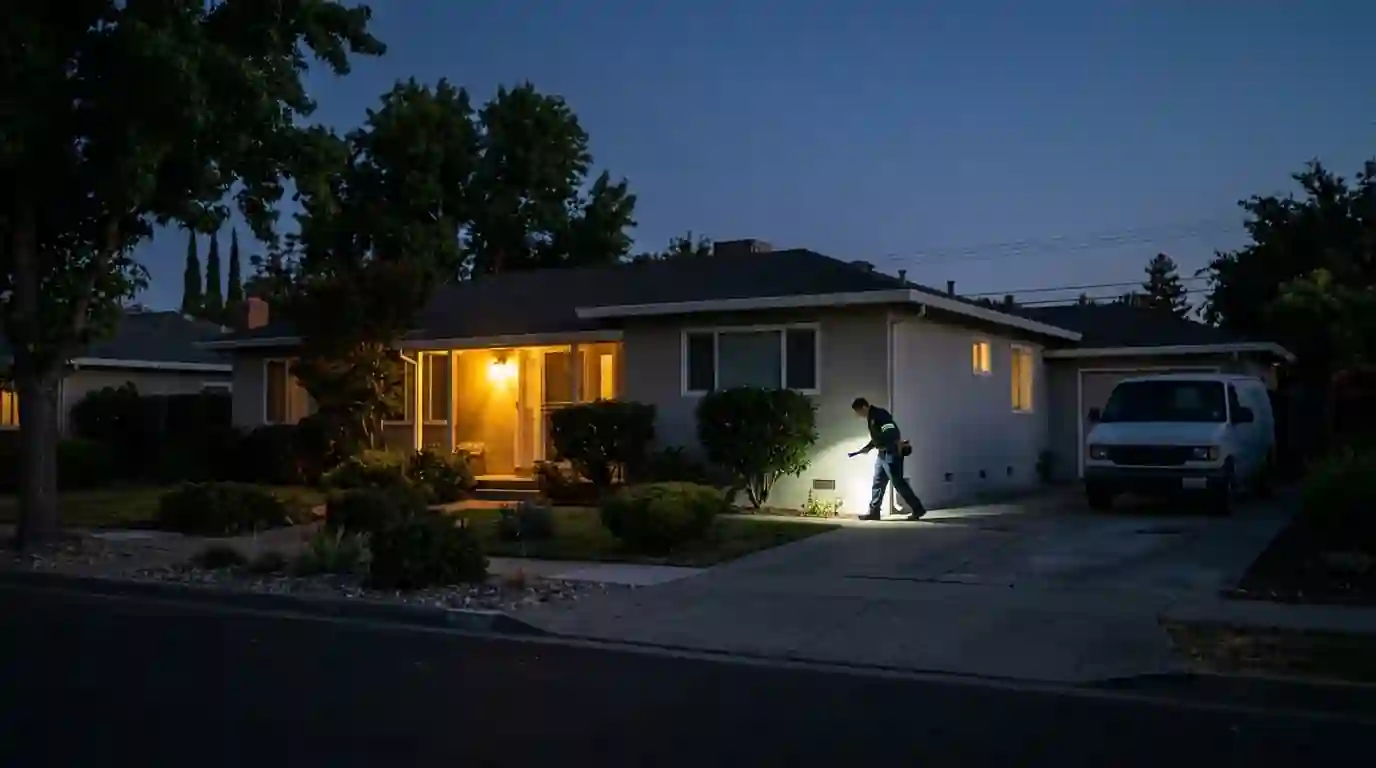
Naglee Park is period housing under heavy canopy, which is the exact combination that keeps termite work and roof rat work arriving on the same inspection.
Local focus
Short answer
Pest control in Naglee Park runs on the same catalog we use across the Bay Area, with the emphasis set by what this area actually produces: subterranean termites, roof rats and the conditions behind them. Phones are answered around the clock and crews route out from the San Jose service office.
The homes here are among the oldest in the city, with original framing, raised foundations and crawl spaces that have been accessible since the houses were built. Subterranean findings are routine, and drywood evidence on sills shows up in the oldest of them.
University proximity adds a rental and multi-unit layer the surrounding streets do not have, which brings roach and bed bug work into a neighborhood otherwise dominated by structural pests.
What we see here
Original framing close to soil under raised foundations, with decades of irrigation.
Deep canopy reaching rooflines with vents that predate anything rodent-rated.
Rental and converted multi-unit housing near the university.
Damp framing from old leaks and heavy shade in the usual spots.
On the ground
Crews run out of the San Jose service office, and routing is built around the day rather than a fixed territory, so a wasp nest or a biting-pest call gets moved up regardless of which part of the coverage area it sits in. Inspections and scheduled service book within a few days.
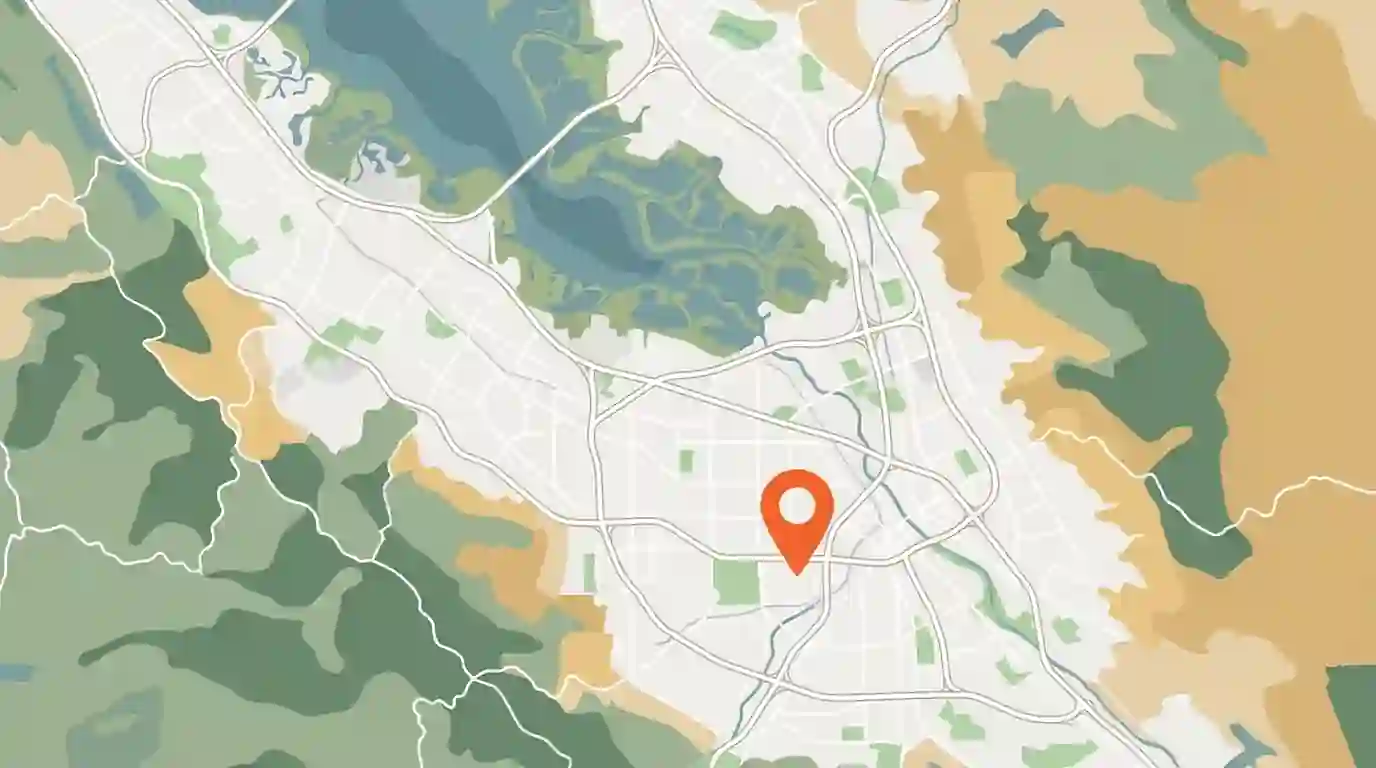
Coverage here takes in the period streets around the park, the blocks toward the university and the converted multi-unit housing between them. If you are just outside what is listed, call anyway and we will tell you plainly whether we can route to you rather than taking a booking we cannot keep.
Local detail
Converted houses and student rentals bring problems the owner-occupied streets rarely see: roaches moving between units, bed bugs arriving with turnover, and prep that does not happen because nobody told the tenant what to do.
If you rent here, say so on the first call. For building-level problems the fix needs the owner involved, and knowing that early saves a visit that would not have held anyway.
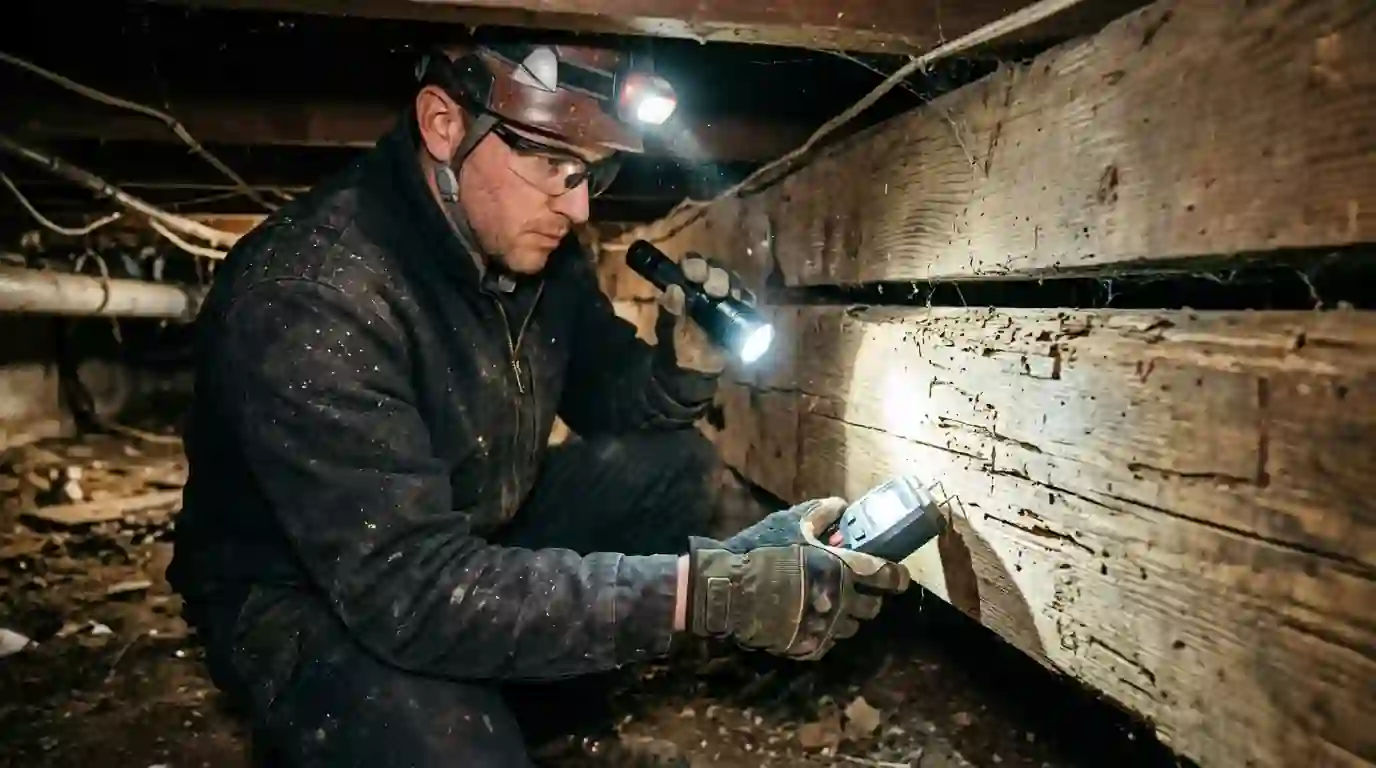
Period houses change how an inspection has to run. Original old-growth framing is dense, additions are common and clearances are short, so probing and sounding matter more than a visual walk-through. Most of what is worth finding in this neighborhood sits under the floor or in the attic, which is also why a thorough inspection here takes longer than the same square footage in a newer tract.
Straight answers
Yes, and in housing this old it is fairly common. They occupy different parts of the structure, which is why full-structure inspection beats treating what you spotted.
Original framing, additions and short crawl space clearances. Reading all of that properly is not a twenty-minute job.
Call and we will identify what you have. For roaches or bed bugs in a converted building the owner usually needs to be involved.
Local treatment is drilled and injected into galleries. Access on finished surfaces is discussed before anything happens, not after.
One number, answered around the clock, and a written note on what was found.
Call (669) 369-0489 any hourWhere to find us