Short answer
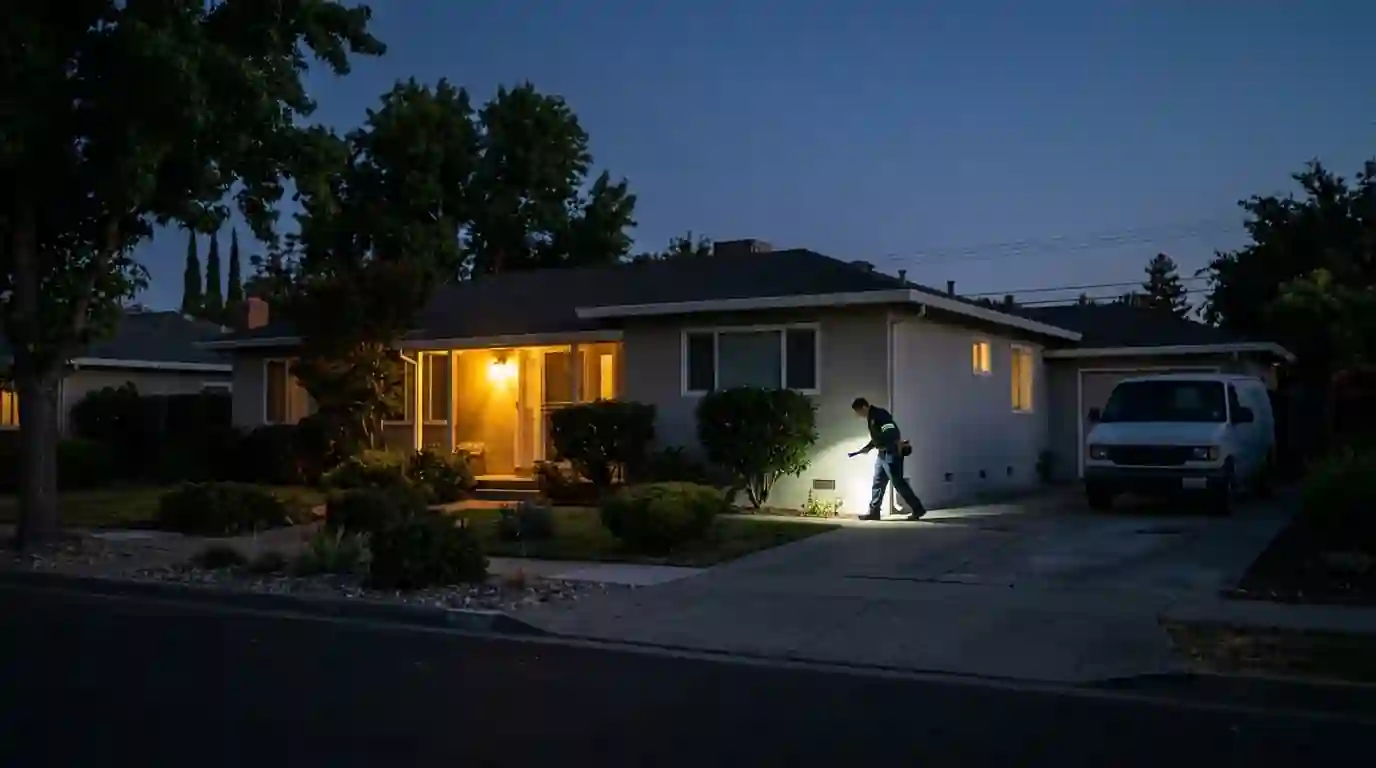
Snails and slugs feed at night and shelter in damp cover during the day, so control works on both: bait placed when they are active, and removal of the shelter they use in daylight. Timing matters more than product, with the heaviest pressure during damp weather and right after evening irrigation.
What the garden visit covers
This is as much an inspection of conditions as a treatment, because conditions are what decide whether it comes back.
- Walk of the damaged plantings with the feeding pattern confirmed
- Check for daytime shelter: boards, pots, debris, dense groundcover and heavy mulch
- Irrigation review, particularly evening watering that keeps the surface damp overnight
- Bait placement along travel routes and around the plants taking damage
- Notes on mulch depth and clearance around stems
- Advice on copper banding for raised beds and valuable containers
- A seasonal schedule, since pressure rises and falls with damp weather
The brown garden snail is one of the most consistently destructive pests in California landscapes, and in this valley it has no real off-season because irrigation keeps beds damp through the dry months. Slugs do the same work and leave no shell, which is why some gardens have obvious culprits and others just have missing seedlings.
What makes the difference between a treatment that works and one that does nothing is timing and shelter. Bait applied to dry ground on a hot afternoon is largely wasted; applied to moist ground in the evening, when they are coming out, it works. And a garden with boards, pots, dense groundcover and mulch piled against stems gives them somewhere to spend every day regardless of what you put down.
Garden bait programs
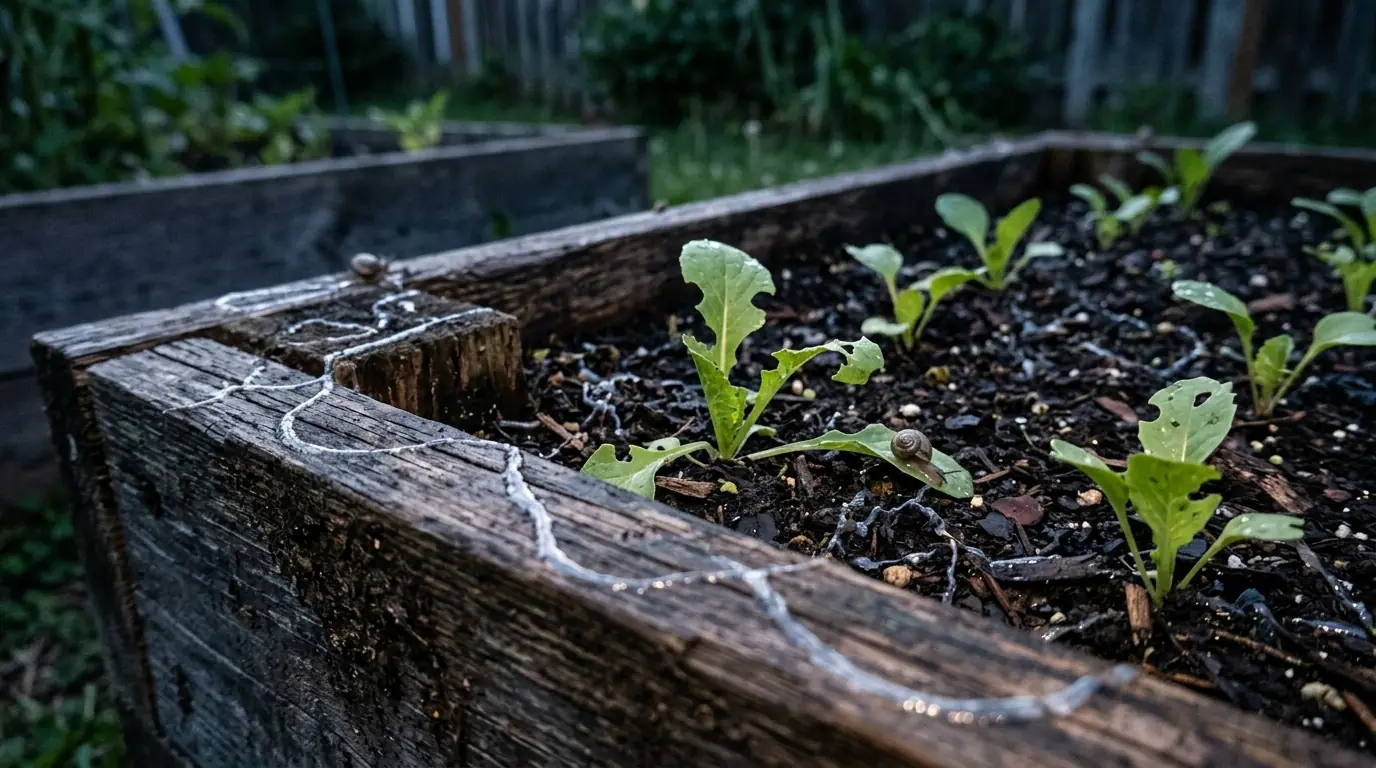
Bait goes down in the evening on moist ground, in the places they travel rather than broadcast across the whole yard: bed edges, under the drip line of dense plantings, along the base of walls and raised beds, and around the seedlings or hostas taking the damage. Iron phosphate-based products are the ones we use around homes with pets and children, and placement is scattered thinly rather than piled, which both works better and keeps it out of reach of anything else.
Habitat reduction
The part that holds. We walk the garden looking for daytime shelter: boards and pots left on soil, dense ivy and groundcover against beds, mulch piled up against stems, debris under decks, and the permanently damp strip where a sprinkler overshoots. Shifting evening irrigation to morning alone changes the picture in a lot of gardens, because it means the soil surface is dry at the hour they want to feed. Copper banding on raised beds and pots is worth it where the plantings justify it.
How a snail problem gets managed
Confirm the culprit
Irregular holes in leaf centers, shredded seedlings and slime trails separate this from insect feeding.
Read the conditions
Irrigation timing, mulch depth and daytime shelter get assessed first.
Bait at the right time
Evening placement on moist ground, scattered thinly along travel routes.
Clear the harborage
Boards, pots, debris and overgrown edges get flagged or moved.
Reassess seasonally
Pressure follows damp weather, so the schedule tracks the season rather than the calendar.
What we see around San Jose
Irrigation is what keeps this going year-round in San Jose. Through the dry months the only reliably damp ground in most gardens is the irrigated bed, which concentrates snails exactly where the plants are, and evening watering hands them perfect conditions at the hour they feed. Gardens that shift to morning irrigation and keep mulch pulled back from stems see the pressure drop before any bait goes down.
What this costs
Garden work prices by the treated area and whether the pressure needs seasonal attention or a single pass.
| What moves the price | How it moves it |
|---|---|
| Garden size | Bed footage and planting density set how much ground gets covered. |
| Harborage volume | Heavy groundcover, debris and stored materials add inspection and clearing advice. |
| Visit cadence | Damp-season programs run tighter than a single corrective visit. |
| Pets and edibles | Product choice and placement are adjusted around pets, children and vegetable beds. |
| Container and raised beds | Copper banding and container-specific work add scope where it is worth it. |
| Irrigation changes | Free to recommend, and often the single biggest lever on the problem. |
If moving your watering to the morning and clearing a few boards would fix it, that is what you will hear before anyone quotes a program.
Related reading: pest-proofing before the rains.