German cockroaches
Multi-family density keeps pressure moving between adjoining units.
Coverage
Hayward combines a lot of older single-family housing with dense multi-family stock, which splits the work into two very different kinds of job.
Local focus
Short answer
Pest control in Hayward runs on the same catalog we use across the Bay Area, with the emphasis set by what this area actually produces: German cockroaches, roof rats and the conditions behind them. Phones are answered around the clock and crews route out from the San Jose service office.
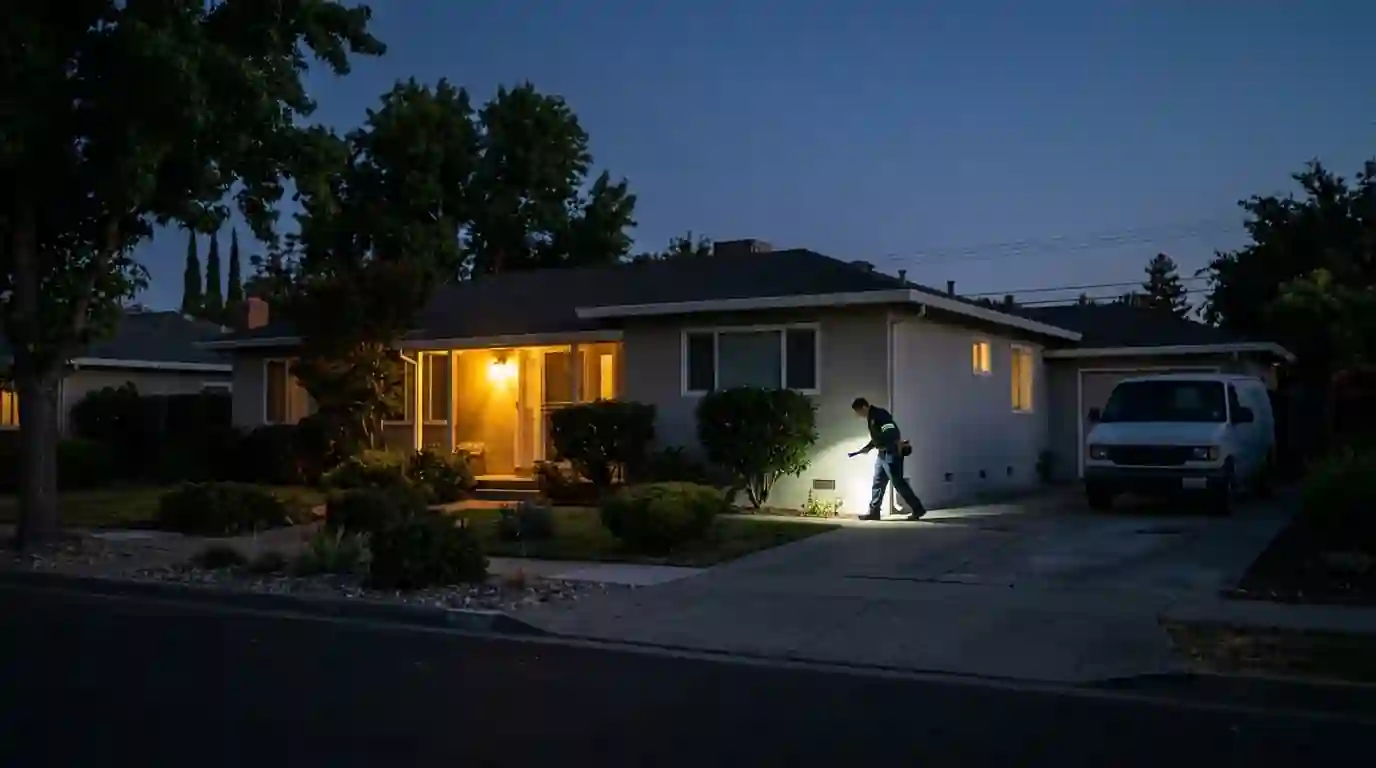
On the older streets, raised foundations, aging vents and mature trees produce the familiar roof rat and subterranean termite combination, and the crawl space is where most of the evidence sits.
The apartment and townhome share brings coordination work. German cockroach and bed bug problems move between units through shared walls and plumbing chases, so inspecting adjoining and above-below units is standard on those calls rather than an upsell.
What we see here
Multi-family density keeps pressure moving between adjoining units.
Older rooflines, aging vents and fence-line routes across closely spaced blocks.
Apartment density makes coordinated, building-level treatment the version that holds.
Older framing close to soil under raised foundations.
On the ground
Crews run out of the San Jose service office, and routing is built around the day rather than a fixed territory, so a wasp nest or a biting-pest call gets moved up regardless of which part of the coverage area it sits in. Inspections and scheduled service book within a few days.
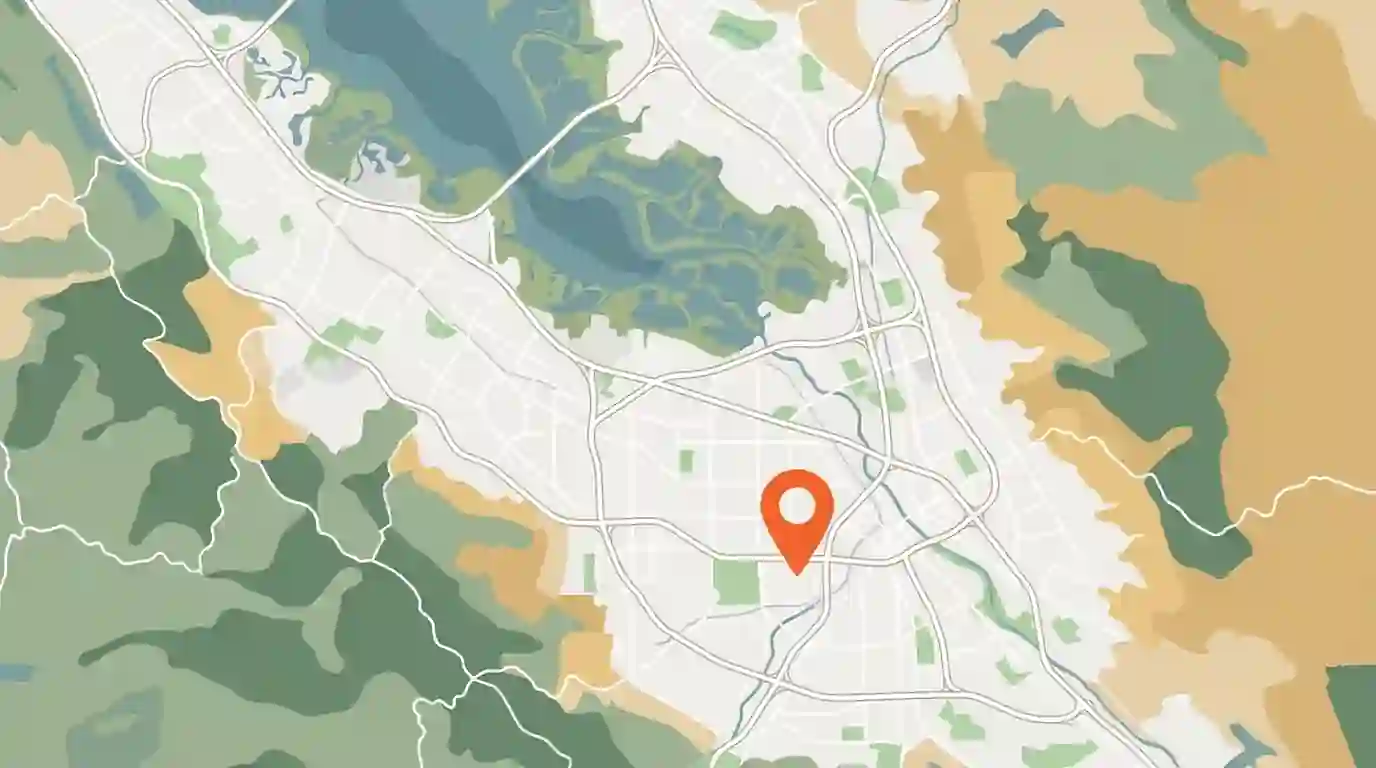
Coverage here takes in the older residential neighborhoods, the apartment corridors and the blocks toward the hill edge. If you are just outside what is listed, call anyway and we will tell you plainly whether we can route to you rather than taking a booking we cannot keep.
Local detail
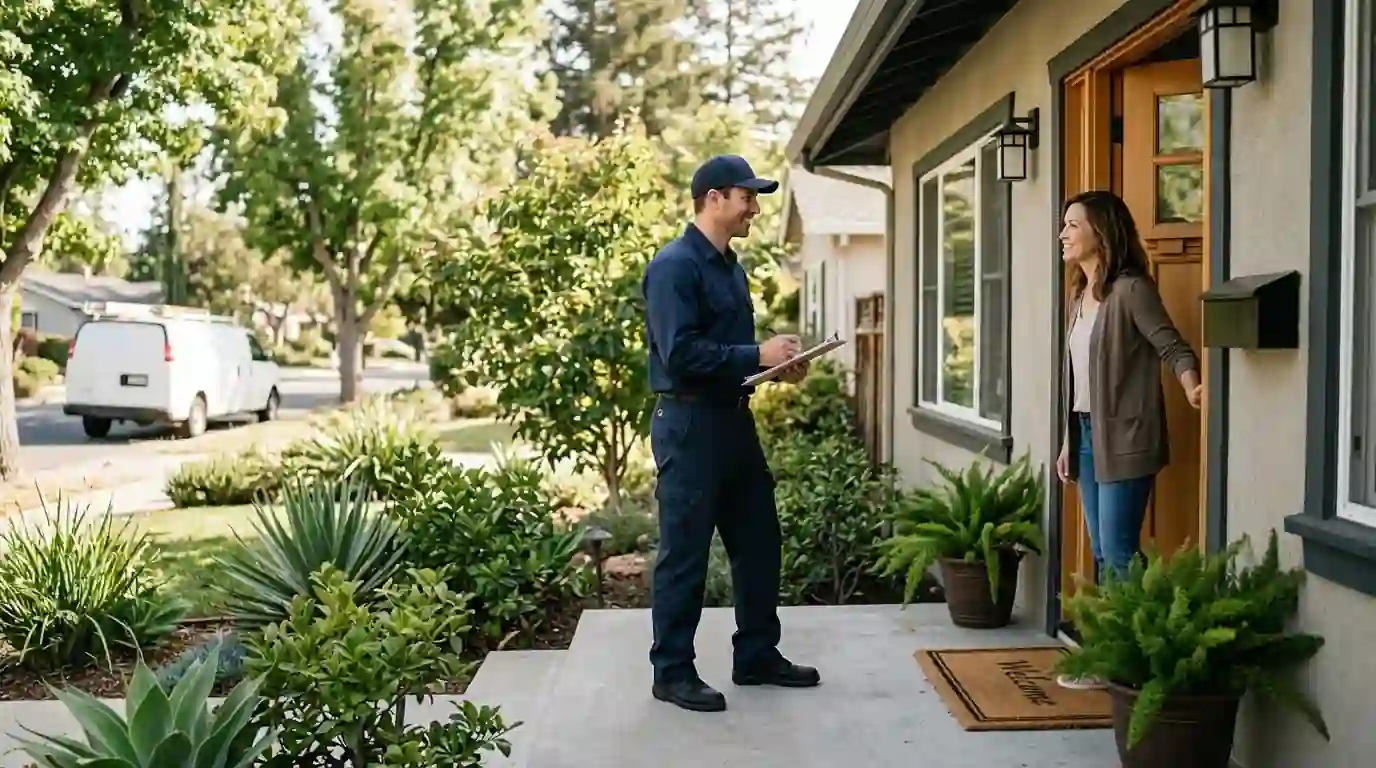
For a house, it is you. For an apartment, roach and bed bug work usually needs the owner or property manager, because treating one unit beside an untreated one is a repeat booking rather than a fix.
Saying which you are on the first call saves a wasted visit, and for managed buildings the work runs as a program with per-unit records and scheduling around notice periods.
East Bay density is the variable here. Closely spaced older homes let roof rats work a block without crossing open ground, and multi-unit buildings move roaches and bed bugs between units whatever one tenant does. Both mean the honest fix is often wider than the single address that called, which is why inspections here routinely take in the neighbors before anyone quotes a plan.
Straight answers
Call and we will identify what you have. For building-wide problems the fix needs the owner or manager involved, and we will say which yours is.
Yes, and those lots see more wildlife and burrowing rodent pressure than the flat blocks.
Because shared walls and plumbing chases are the usual source. Treating one unit alone resets the clock instead of ending it.
Yes, written per-unit findings and actions from every visit.
One number, answered around the clock, and a written note on what was found.
Call (669) 369-0489 any hourWhere to find us