Short answer
Snake removal in San Jose starts with identification, because the common gopher snake, king snake and garter snake are harmless and useful, while a rattlesnake on a foothill-edge property is a different conversation. Removal is done safely, and the follow-up matters: snakes go where rodents and cover are, so both get addressed.
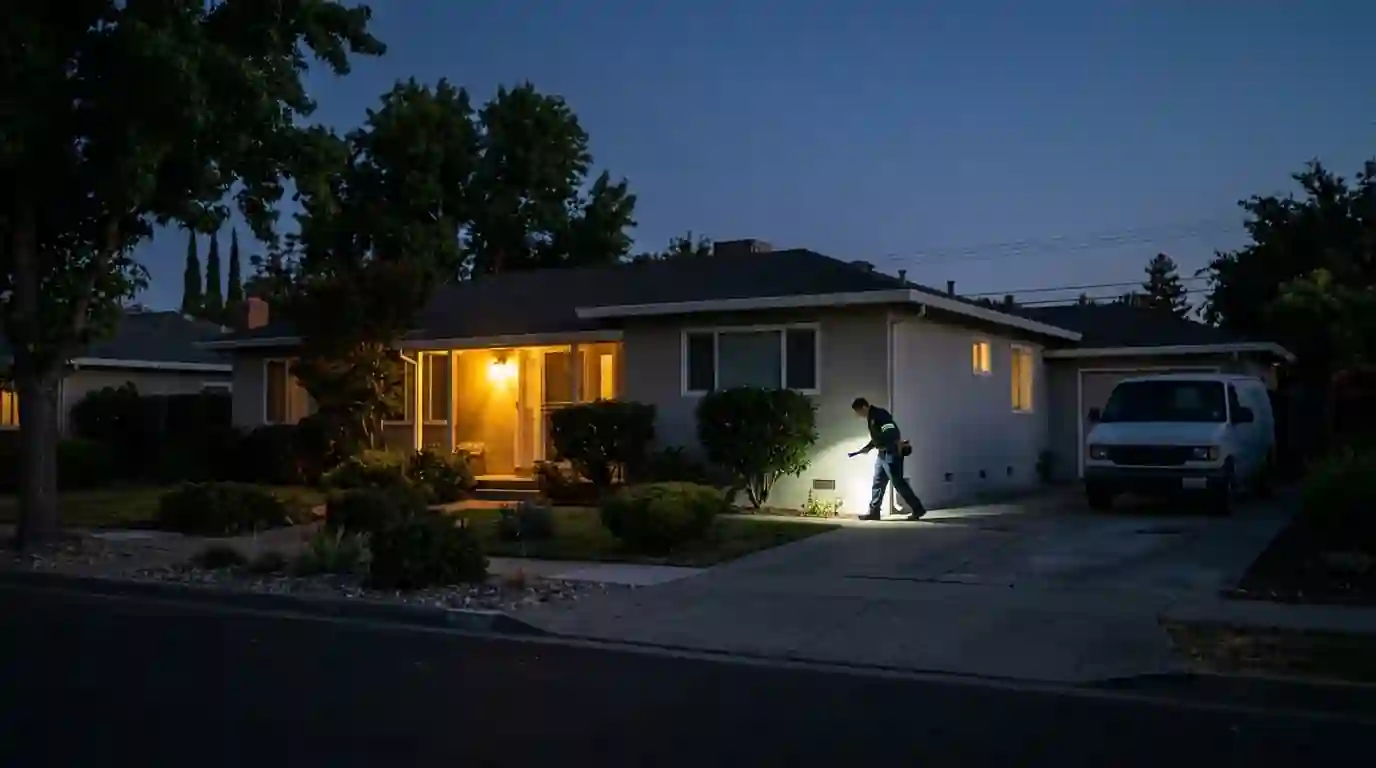
The honest framing on this one is that a snake in your yard is usually a symptom of a healthy rodent population. They are hunting, not settling, and most of them move on by themselves. The reason to call is that handling an unidentified snake is a bad idea, and because a snake inside a garage or under a deck is in a space people use.
Properties against open space, creek corridors and foothill edges in this area see them most, and those are the same lots dealing with ground squirrels and rodent pressure from land nobody owns. Removing the snake without reducing the food and the cover means another one eventually finds the same yard.
What happens when you call
Describe it on the phone
Color pattern, head shape, tail and where it is tell us a lot before anyone arrives.
Identify on site
Species is confirmed from a safe distance before any handling decision is made.
Remove safely
Proper tools and containment, with harmless species relocated appropriately.
Check the harborage
Woodpiles, groundcover, sheds and gaps get assessed for why it chose your yard.
Handle the food supply
Rodent activity on the property gets flagged and quoted, because that is the actual draw.
Yard and garage removal
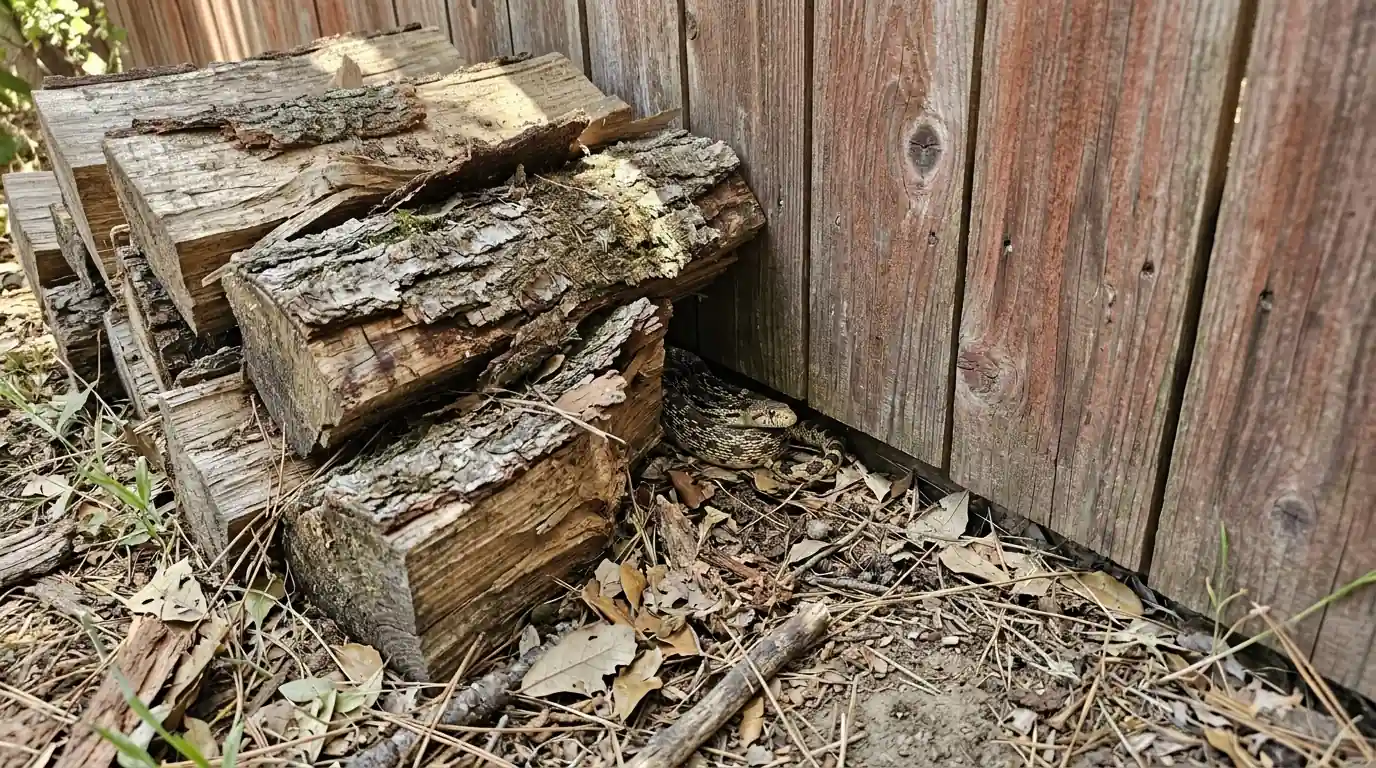
The call we get most is a snake in a garage, under a shed, behind stacked wood or in a cluttered side yard, all of which are cool, dark and full of rodents. Removal is done with the right tools rather than by hand, after identification from a safe distance. Harmless species common here, gopher snakes especially, get relocated appropriately; a venomous species on a property where children or pets use the space is handled with extra care and explained to you fully before anything happens.
Habitat reduction
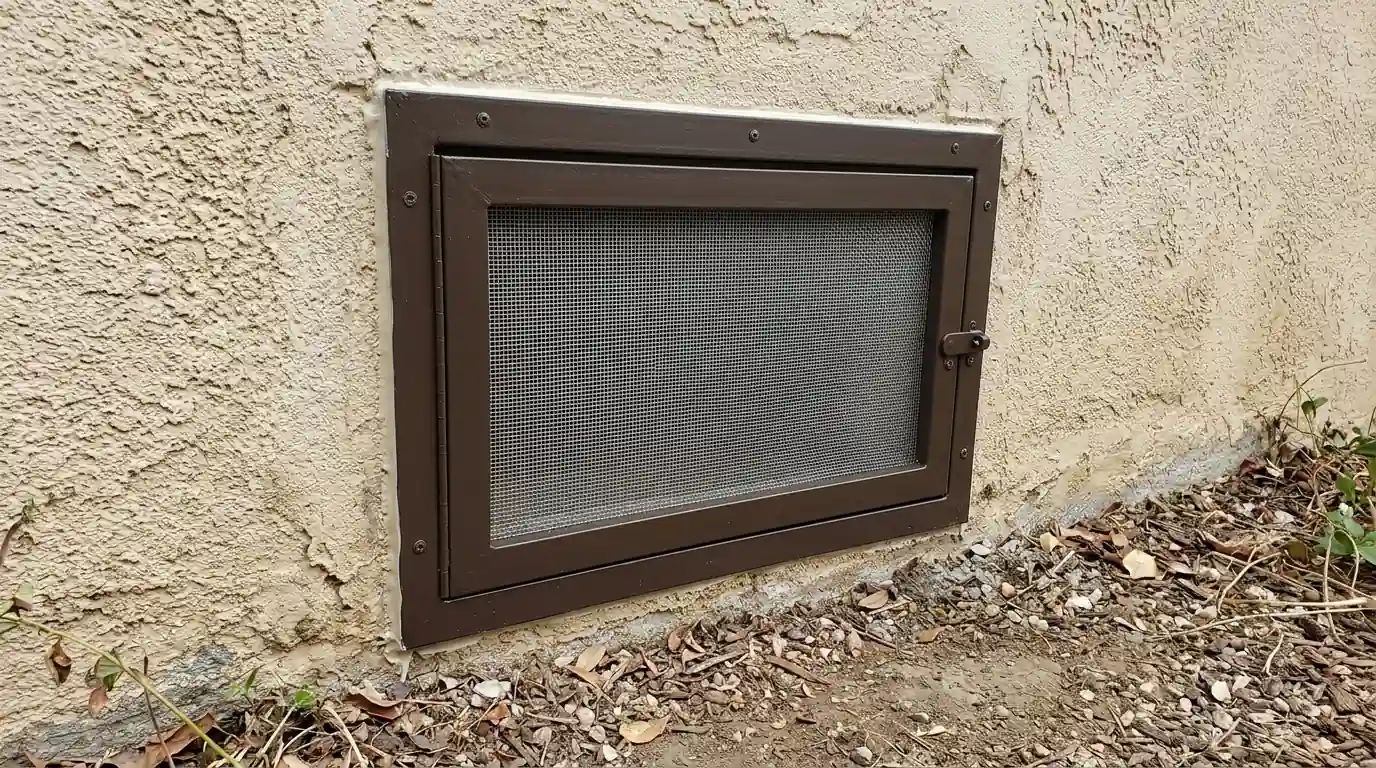
The lasting part. Snakes follow rodents, and rodents follow food and cover, so the practical work is a list: woodpiles off the ground and away from the wall, dense ivy and groundcover trimmed back, gaps under sheds and decks closed, bird seed and pet food secured, and any rodent burrowing on the property dealt with. On open-space lots a sealed garage door sweep and a cleared buffer strip do more than any single removal.
Snake in the garage right now? Keep back and call the line.
Call (669) 369-0489What we see around San Jose
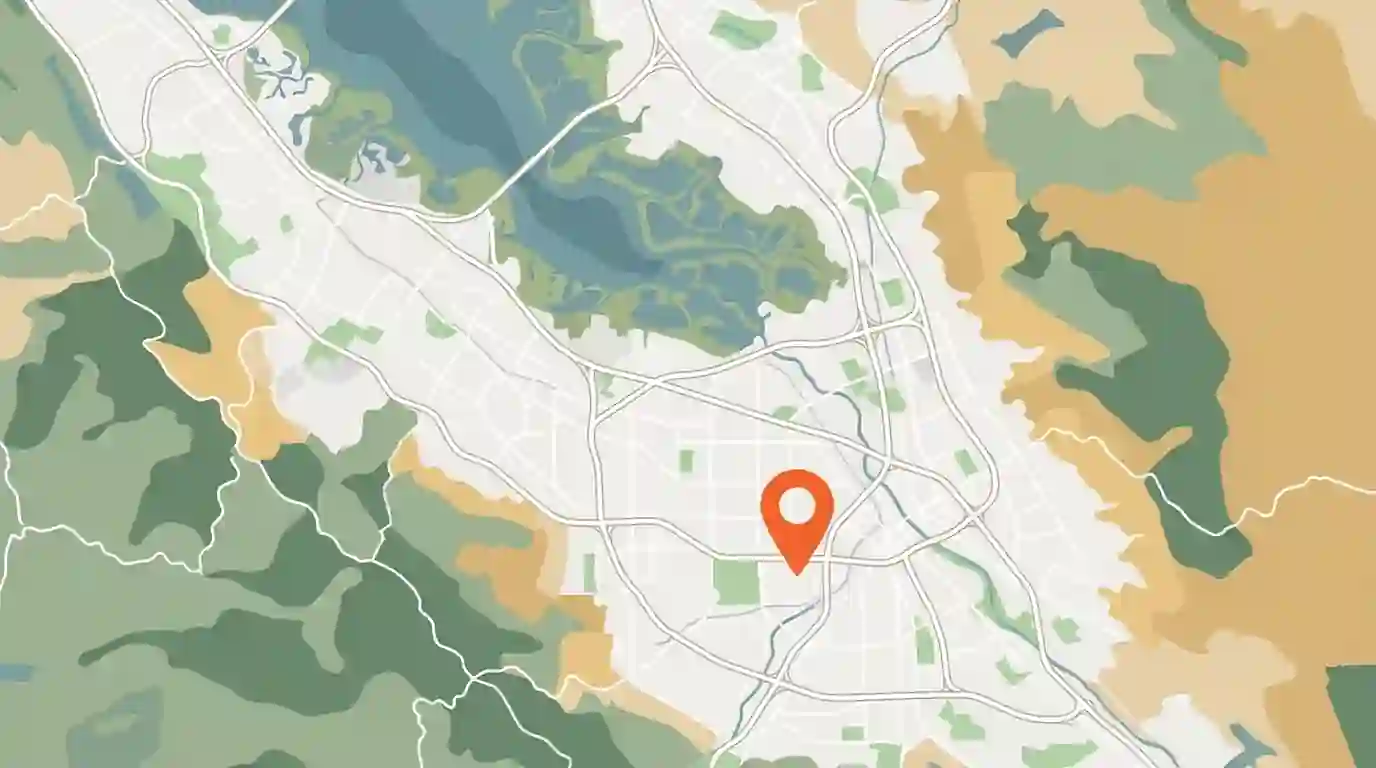
Geography decides this completely in San Jose. Interior neighborhoods see the occasional harmless gopher snake or garter snake passing through; properties against the foothills, creek corridors and open grassland see more, including rattlesnakes in warm months. If your lot borders open ground, the sensible precautions are the same ones that help with ground squirrels and ticks: keep the buffer clear, close the gaps, and do not put hands into places you cannot see.
What snake work costs
Removal is priced by the situation and the access; the habitat work is quoted separately if you want it.
| What moves the price | How it moves it |
|---|---|
| Location of the animal | An open garage floor is quick; under a deck or inside a wall void is not. |
| Species | A venomous species requires more time, more care and more equipment. |
| Time of call | After-hours response for an animal inside living space is scheduled accordingly. |
| Search time | A snake that has moved out of sight takes time to locate or may need a return visit. |
| Habitat work | Clearing, sealing and rodent work are separate scopes quoted on their own. |
| Property size | Larger lots with multiple outbuildings take longer to assess properly. |
Identification and advice over the phone cost nothing, and for a harmless snake in the open yard the honest answer is sometimes to leave it alone.
More on this in Pest Watch: pest-proofing before the rains.