Short answer
Mite bites in a San Jose home almost always follow a rodent or bird problem: when the host dies or leaves, rat mites and bird mites disperse looking for a new blood meal and end up biting people. Treatment means finding and removing the nest or carcass, treating the harborage and pathways, then verifying the biting stops.
This is one of the more distressing calls we take, because people are being bitten by something they cannot see and often get told they are imagining it. Mites are tiny, pale and fast, and they bite and leave rather than living on a person, so a bedroom inspection for bed bugs comes back clean while the biting continues.
The giveaway is sequence. Biting that started days or weeks after a rodent infestation was trapped, an attic was cleared, or birds stopped using a vent points squarely at mites. Rat mites are a common problem in Santa Clara County precisely because commensal rodents are so abundant here, which is also why proper cleanup matters after any rodent job.
How these get resolved
Confirm what is happening
Timing, bite pattern and recent rodent or bird history separate mites from bed bugs and fleas.
Find the source
Attic, eaves, wall voids and vents get searched for nests, carcasses and rodent runs.
Remove the material
Nesting material and any carcass come out, because treatment alone leaves the food source behind.
Treat the pathways
Harborage, voids and the routes into living space get treated, along with the affected rooms.
Verify
A follow-up checks that biting has stopped, which is the only metric that matters here.
Rat and bird mites
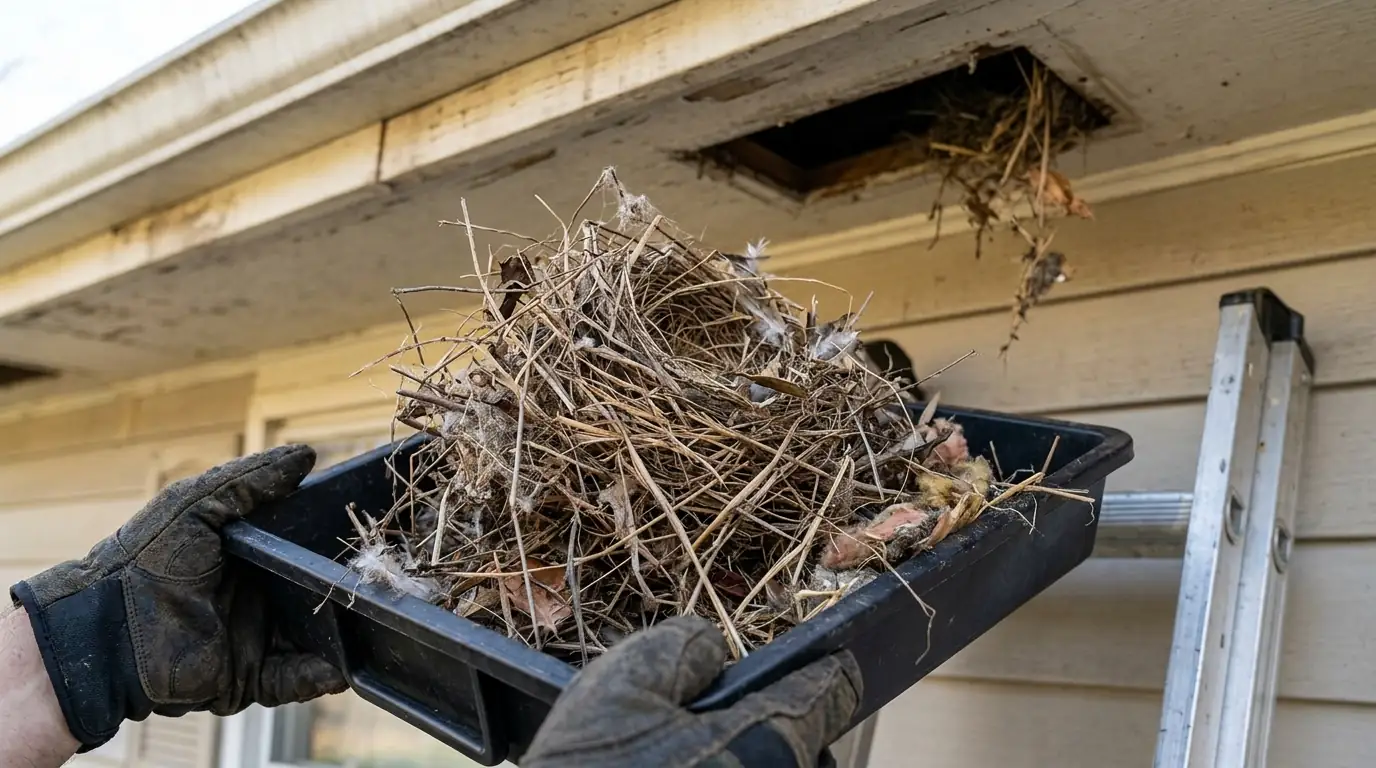
Rat mites follow roof rats and mice; bird mites follow pigeons, starlings and swallows nesting in vents, eaves and attic spaces. Both become a human problem at the same moment: the host dies or the nest is abandoned, and the mites fan out along joists, wiring and wall voids into the rooms below. Treatment targets the nest site and the dispersal pathways, not the person, and it only holds once the source material is physically removed.
Clover mites
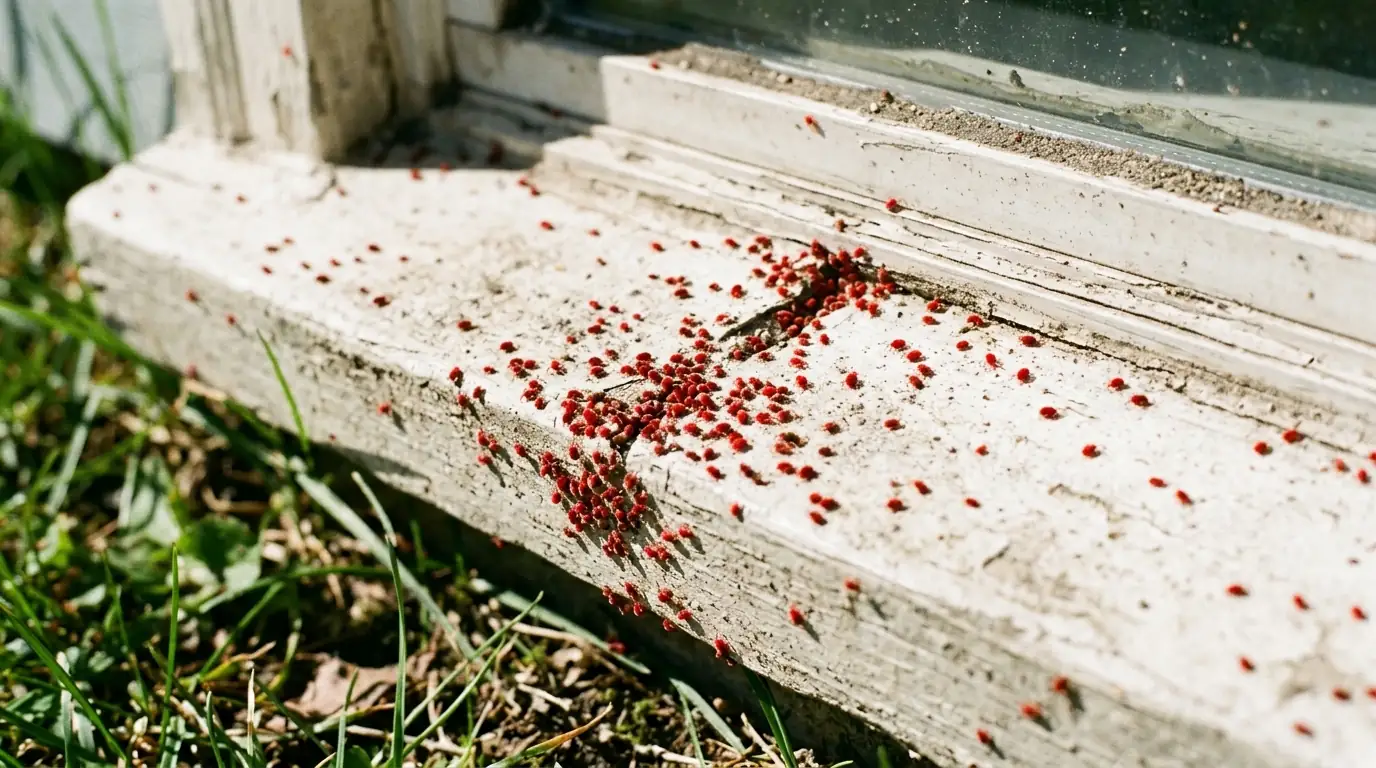
The other common call, and a completely different animal. Clover mites are tiny red specks that appear in huge numbers on sunny walls and window sills in spring, usually where lawn or dense groundcover grows right up to the foundation. They do not bite and they do not infest; they wander in and die. Treatment is an exterior band plus the one change that actually fixes it, which is a clear strip of bare soil or gravel between the lawn and the wall.
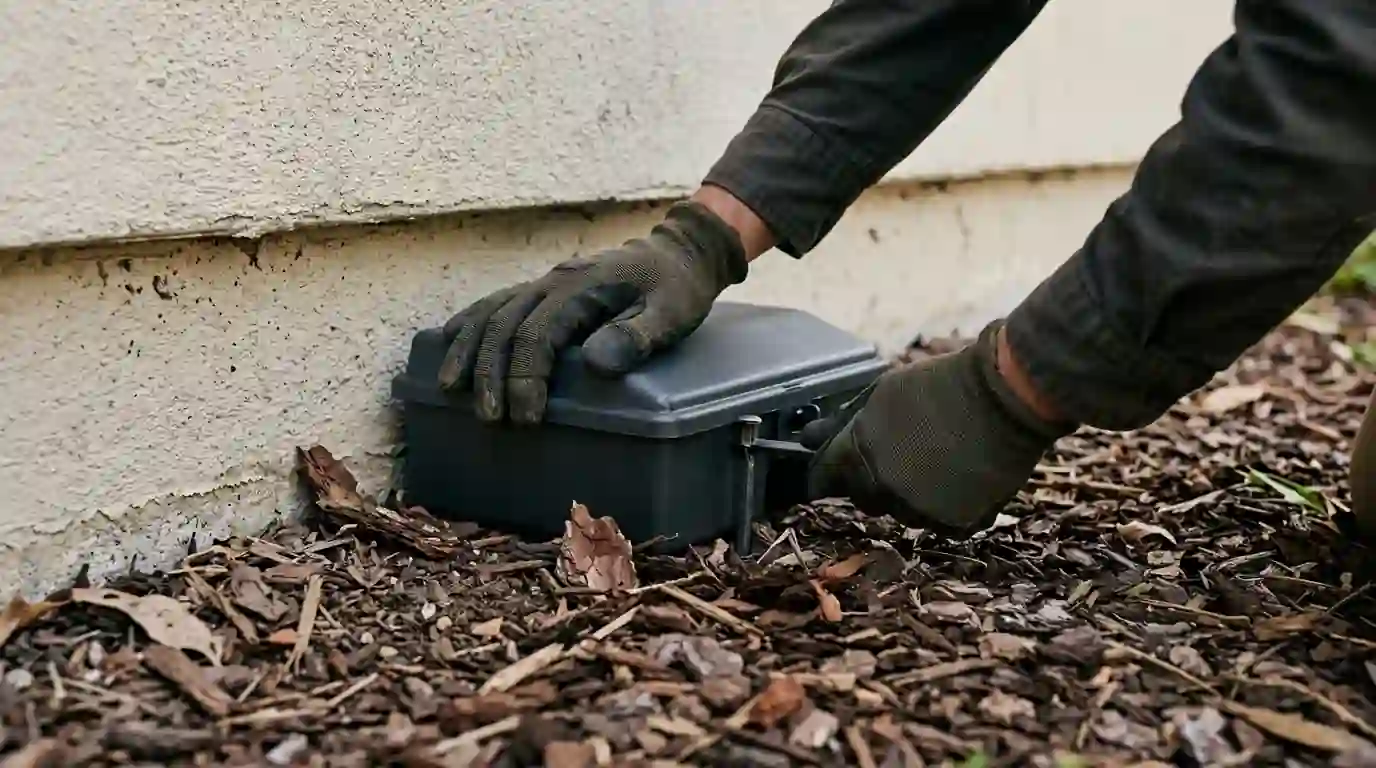
Getting bitten since the rodents were cleared? That is the usual pattern.
Call (669) 369-0489What we see around San Jose
This is a genuinely local problem rather than a rare one. Rat mites are a very common problem across Santa Clara County because of how abundant commensal rodents are here, and the calls follow the rodent calendar: trapping in winter and early spring produces mite complaints a week or two later in the same houses. Anyone who has had an attic trapped and never cleaned is a candidate.
What mite work costs
Price follows the source removal more than the treatment, because getting the nest or carcass out is the real job.
| What moves the price | How it moves it |
|---|---|
| Source accessibility | A nest in an open eave is quick; one inside a wall void is not. |
| Removal scope | Nesting material, soiled insulation and carcasses all have to come out. |
| Affected rooms | Treatment covers the rooms where biting is reported plus the pathways between. |
| Follow-up visits | Verification matters here, so most jobs include at least one return. |
| Underlying rodent or bird work | If the host problem is still live, that gets handled first and quoted separately. |
| Cleanup needed | Heavy attic contamination adds the cleanup conversation alongside the mite work. |
The quote comes from the inspection, and if what you actually have is fleas or bed bugs you will be told that rather than sold mite work.
Related reading: pest control around pets and kids.