Short answer
Termite swarmers indoors mean a mature colony is nearby, usually in or under the structure. They do not bite, sting or eat wood themselves. Vacuum them up, save a few in a sealed bag for identification, do not spray, and book an inspection. The swarm itself passes within hours; what it tells you does not.
Swarmers are the reproductive stage. A mature colony releases winged males and females to fly, pair off and start new colonies elsewhere, and they do it in response to weather, typically the first warm days after rain. Inside a house they head for light, which is why you find them at windows and sliding doors.
Termite swarmer or flying ant
This is the first thing worth settling, because flying ants swarm in the same conditions and look similar across a room. Up close they are easy to tell apart:
- Wings. Termite swarmers have four wings of equal length, often longer than the body. Flying ants have a larger front pair and a smaller back pair.
- Waist. Termites are straight-sided with no pinch. Ants have the obvious narrow waist.
- Antennae. Termite antennae are straight and beaded. Ant antennae are elbowed.
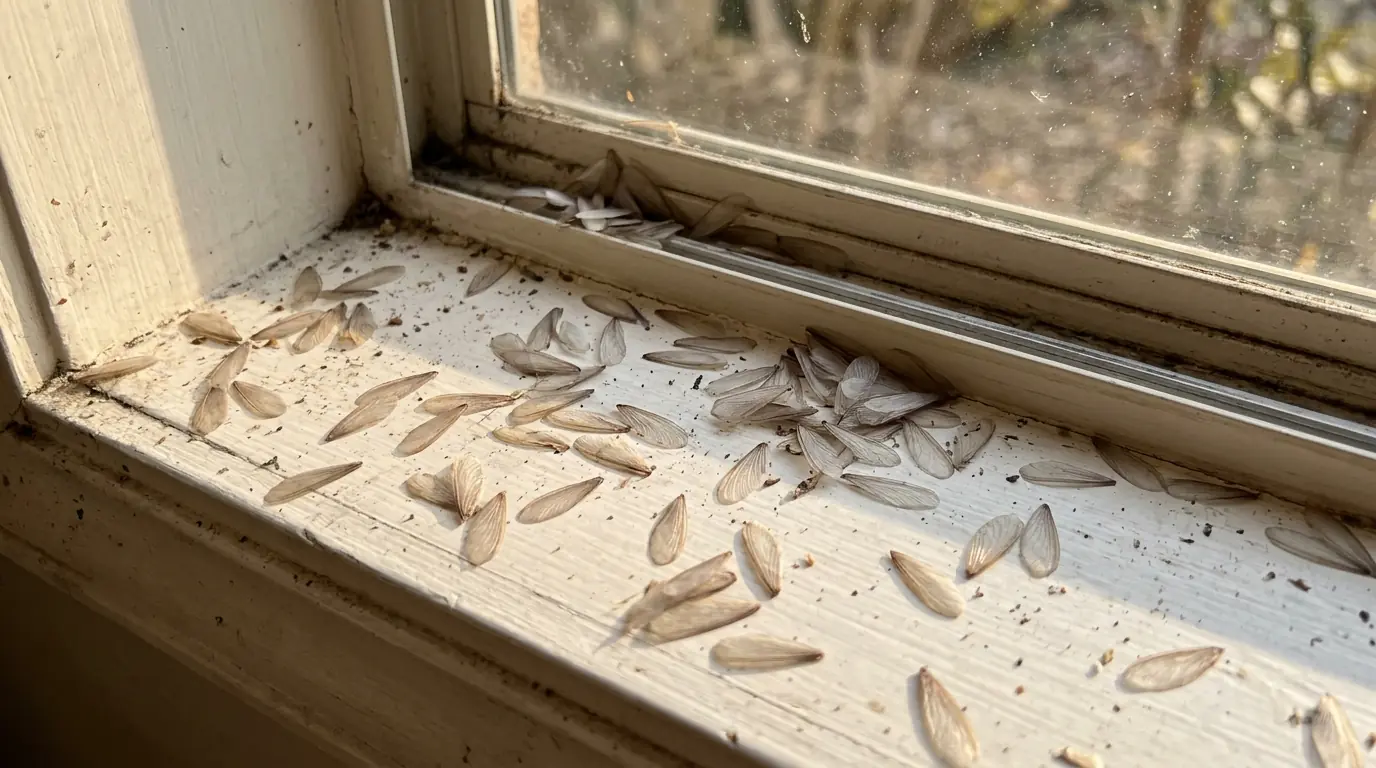
- Shed wings. Termites drop their wings in piles near windows and sills soon after flying. Finding a pile of identical wings is close to diagnostic.
What to do in the first hour
Nothing dramatic, which is the part people find hard. The swarm is a symptom and it will end on its own within hours.
- Vacuum them up. Simple and effective. They are harmless and will die quickly indoors anyway.
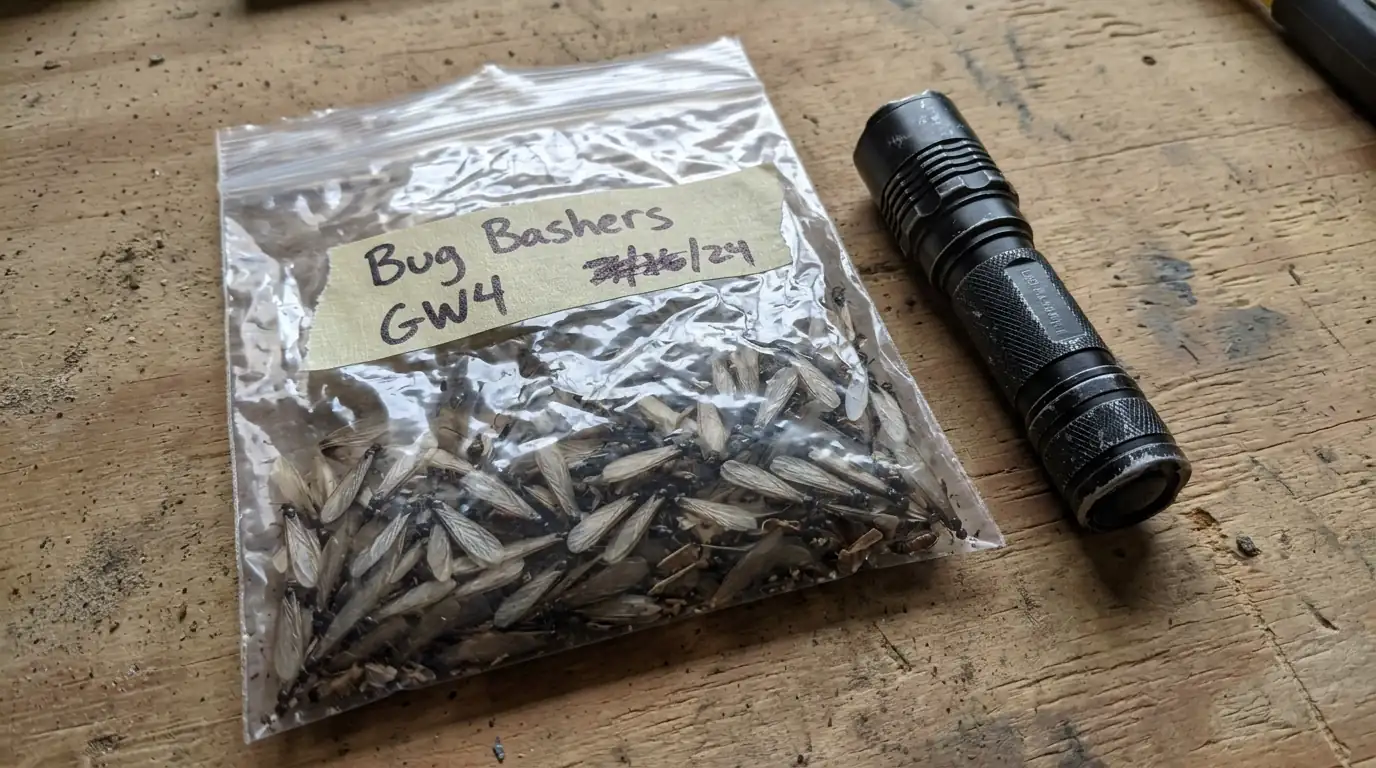
- Save a few. Seal half a dozen, or a handful of shed wings, in a bag or container. Identification matters and a photo is a poor second.
- Note where they came from. A specific window, a wall junction, a crack at a door frame. That location is genuinely useful to an inspector.
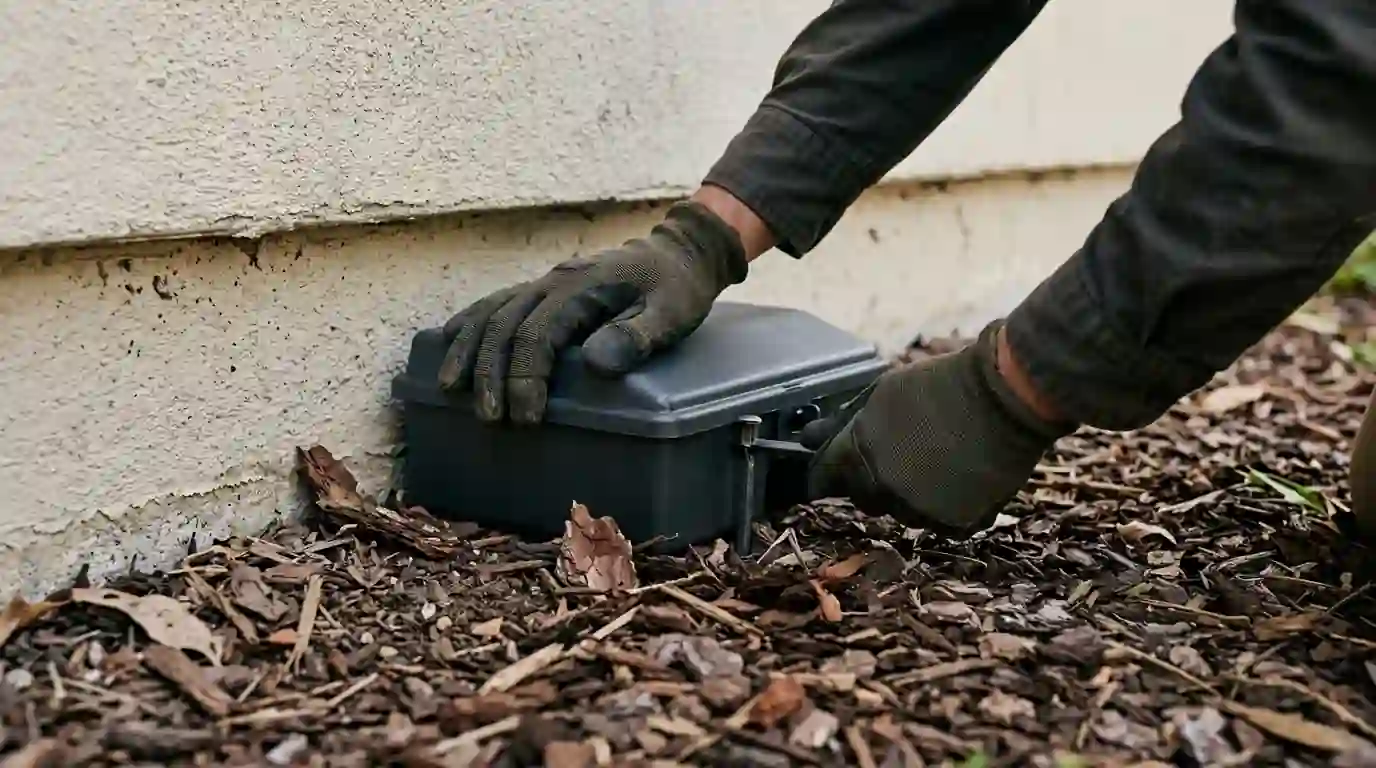
- Leave the spray alone. Aerosols kill the visible insects and change nothing about the colony, and repellent residue can complicate later treatment.
What the swarm tells you
Colonies produce swarmers only once mature, which generally means several years of development. Swarmers emerging inside the structure point to a colony inside or directly under it, rather than one in the yard, which is a meaningfully different situation.
Species matters too. Subterranean swarmers point at a soil colony with mud tubes somewhere, probably in a crawl space or against a foundation. Drywood swarmers point at a colony inside the framing itself, usually with frass pellets nearby. The treatments do not interchange, which is why the bag of specimens is worth keeping.
Why swarms cluster in the same few weeks
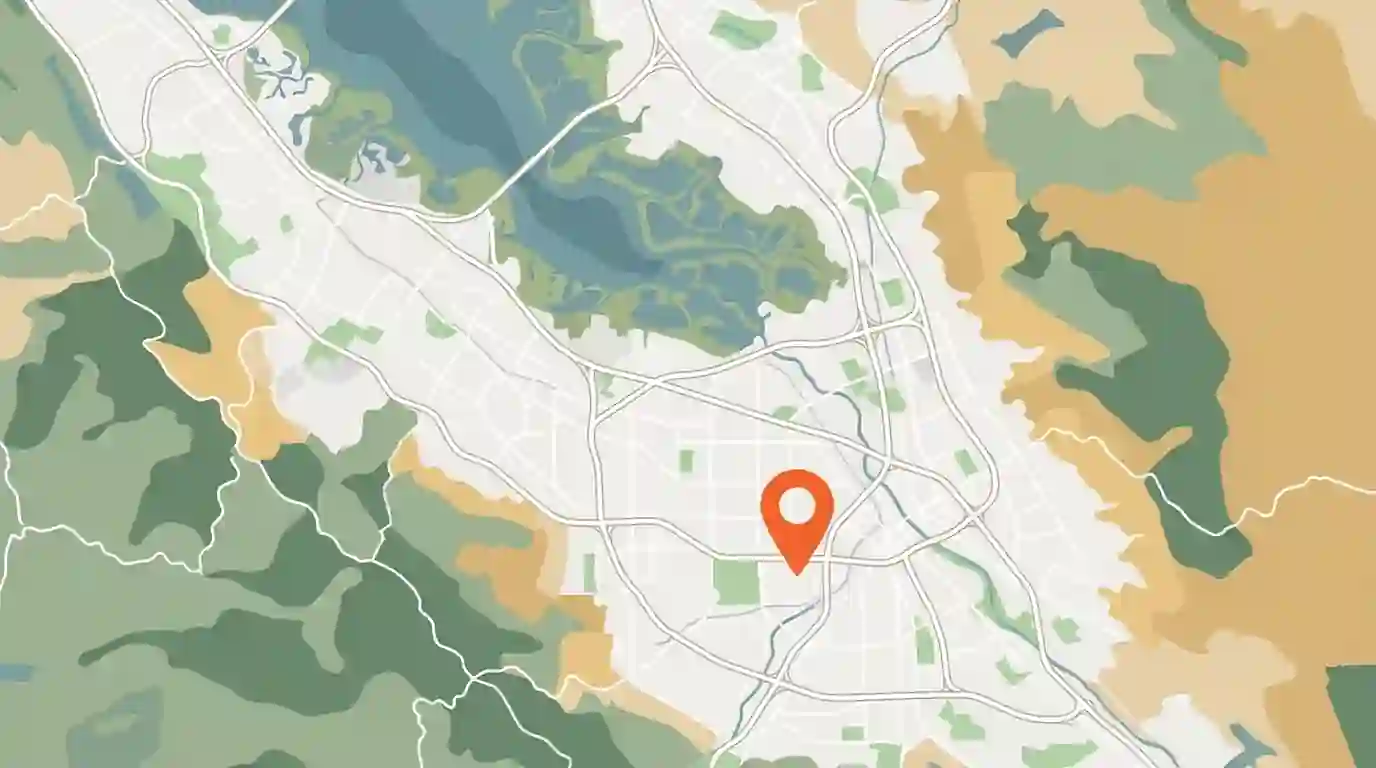
Colonies time their flights to weather, not the calendar, which is why half a street can swarm on the same afternoon. In this valley the trigger is usually the first run of warm days after rain, with subterranean species flying in daylight and some drywood species flying toward evening.
That clustering is useful information. If a neighbor swarmed last week and you swarmed today, you are both sitting over the same conditions rather than sharing one colony, and both houses deserve a look. It is also why inspection calendars here fill quickly in the weeks after the first warm rain.
What not to do while you wait
Three things make the next visit harder. Do not fog or spray the room, because repellent residue scatters subterranean workers and complicates later treatment. Do not seal the crack they came from; you are closing a symptom and losing the single most useful clue about where the colony sits. And do not pull apart trim or drywall looking for them, because damaged finishes make inspection slower, not faster.
What does help is simple observation. Note the time of day, whether it happened after rain, and exactly which opening they emerged from. Those three details narrow the species and the location before anyone arrives.
What happens next
An inspection reads the whole structure rather than the window where they appeared. Mud tubes on piers and foundation walls, frass at sills and in the attic, damaged wood that sounds hollow when tapped, and the moisture conditions behind all of it.
From there the treatment conversation follows the species and the findings. None of it is same-day urgent in the way a wasp nest is, which is the genuinely reassuring part of a swarm: it is early warning rather than a crisis in progress.