Short answer
Pest-proofing a San Jose home before the rains comes down to three things: closing the gaps rodents and insects use, removing damp harborage against the foundation, and fixing water that pools or sprays against the structure. Doing them in autumn prevents most of the winter calls we take.
Nothing here requires a technician. These are the items we end up recommending on nearly every winter job, which means the homeowners who do them in October tend not to call in January.
1. Close the gaps
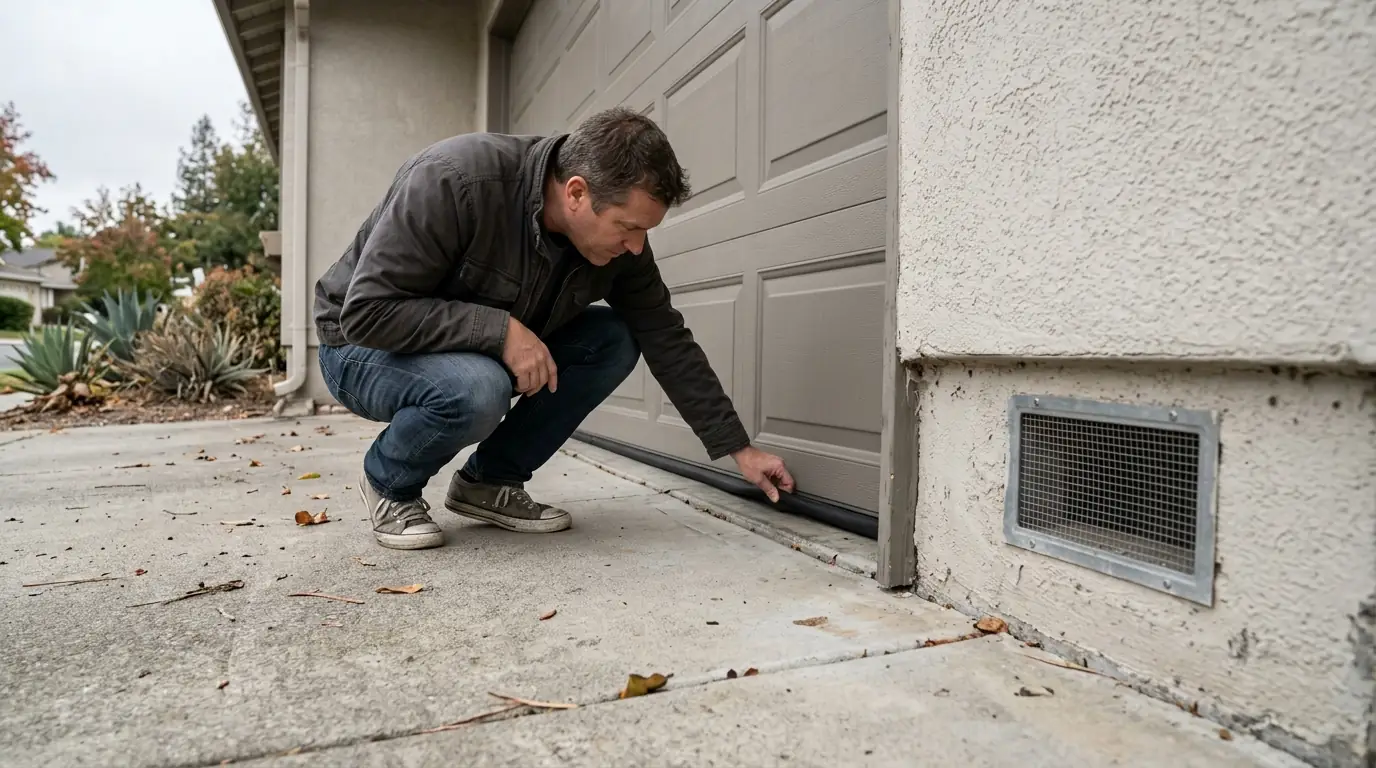
- Garage door sweep. Stand inside with the door shut and look for daylight at the corners. A worn sweep is the single most-used rodent entrance on a typical house.
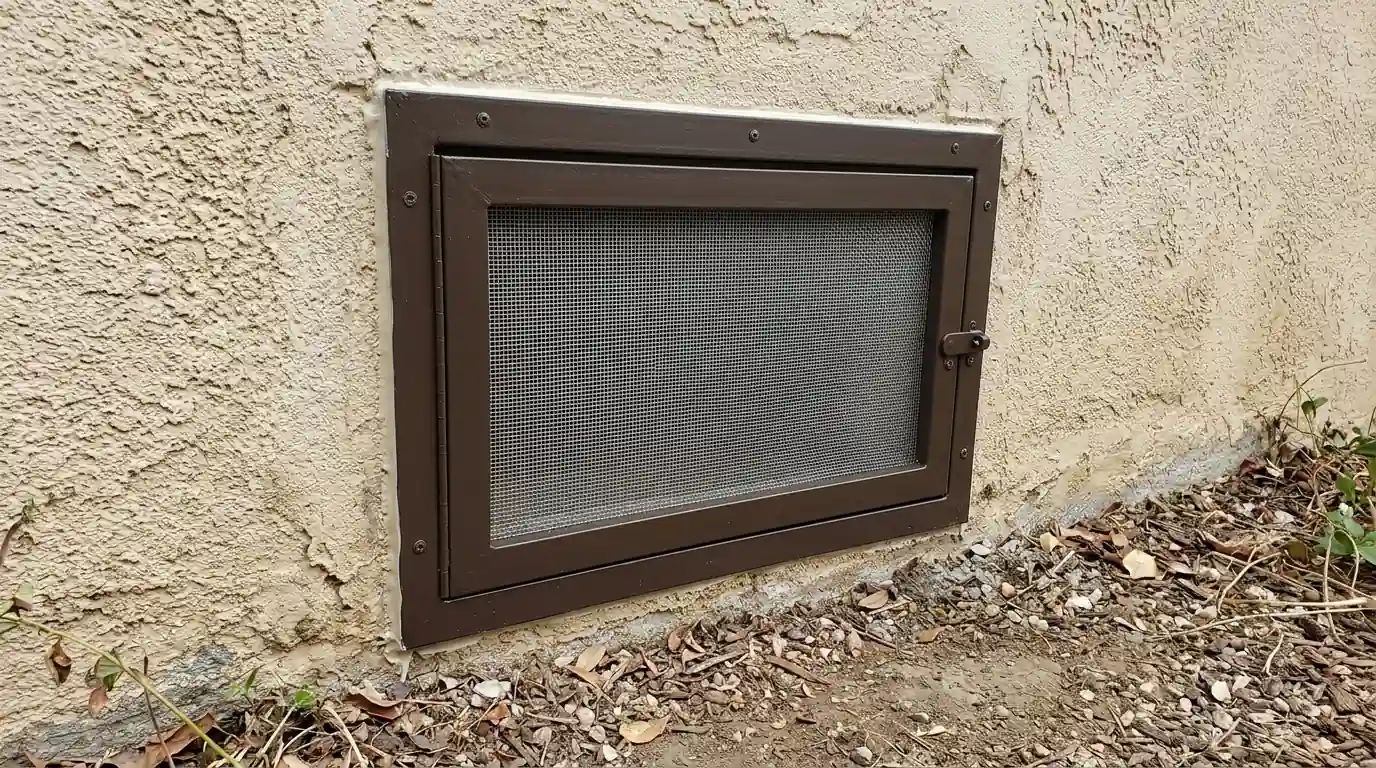
- Crawl space and foundation vents. Screened with sound mesh, fastened rather than pushed in, and not blocked, because airflow matters.
- Pipe and conduit penetrations. Under sinks, at the meter, where the AC line set enters. Mesh and sealant, never foam alone; rodents chew straight through foam.
- Door thresholds and weatherstripping. If a pencil fits under a door, a mouse does.
- Eave and roofline gaps. Harder to check safely, and the place roof rats actually use. Worth binoculars from the ground.
2. Cut the harborage
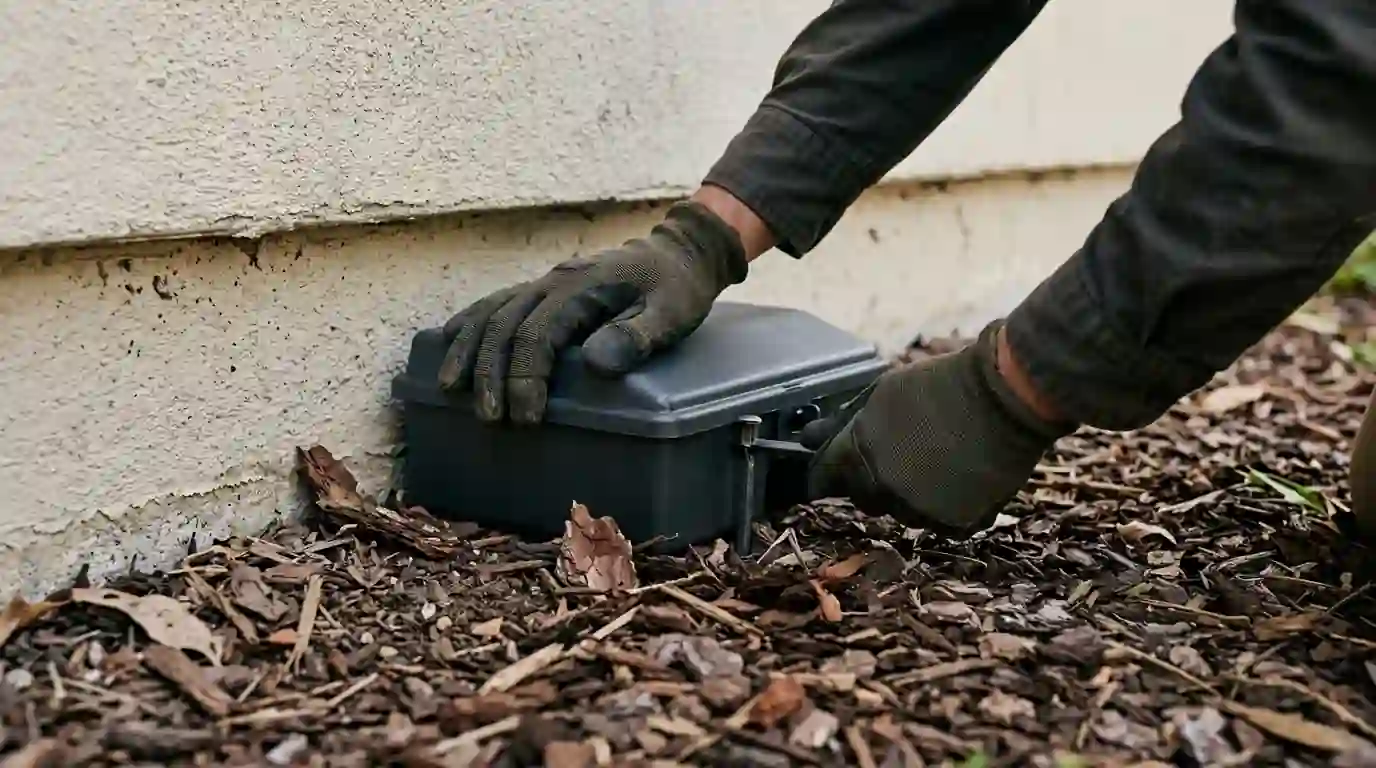
Pests shelter before they invade, and almost all of that shelter sits in the first three feet around the house.
- Pull mulch and groundcover back a few inches from the foundation so the damp strip is not touching the wall
- Move firewood off the ground and away from the structure; a woodpile against a wall is an invitation for rodents, spiders and carpenter ants
- Clear leaf litter from beds, window wells and the gap behind the trash enclosure
- Lift boards, pots and stored materials off soil, which also cuts snails, earwigs and silverfish
- Trim branches and vines touching the roof or siding, since those bypass every ground-level defense you just built
3. Fix the water
Water drives more pest problems here than cold does. Subterranean termites, carpenter ants, silverfish, earwigs and cockroaches all follow damp, and autumn is when the sources become obvious.
- Clear gutters and check that downspouts discharge away from the foundation rather than beside it
- Aim sprinklers off the wall and switch evening irrigation to morning so surfaces dry overnight
- Fix the slow hose bib drip and any leak under a sink or behind an appliance
- Check grading: soil should fall away from the house, not pool against it
What to check on the roof line
From the ground with binoculars you can see more than people expect: lifted or missing vent screens, gaps where fascia meets the roof edge, a soffit panel sitting proud, and branches close enough to the eave that something could step across. Note what you find rather than climbing up to fix it.
Those items are the ones most worth paying someone to handle, because they are both the hardest to reach safely and the likeliest actual entry point on a San Jose house.
4. Inside the house
Two quick jobs. Move pantry staples, pet food and birdseed into hard airtight containers, which prevents nearly all pantry pest introductions. And check stored wool and winter clothing before it goes back into the closet, because fabric pests work undisturbed items.
What changes once the rains start
Wet weather pushes shallow-nesting insects out of saturated soil and toward anything dry, which is why ant trails appear indoors after the first storms in houses that had none all summer. Rodents follow the same logic for warmth rather than dryness, and spiders follow both because their food just moved.
That is why the timing of this list matters more than the items on it. The same gap sealed in October prevents a problem; sealed in January it closes a door on something already inside, which is a different and more expensive job.
What this does not cover
Roofline sealing and anything requiring a ladder is worth having someone else do, both for safety and because that is where the openings people miss actually are. The same goes for an inspection of a crawl space you cannot comfortably get into.
If you want a single paid job out of this list, make it the roofline and vent work. It is the part most likely to be the reason something gets in, and the part least likely to get done properly from the ground.