Short answer
A quarterly pest plan is worth it in San Jose when the pressure is continuous rather than seasonal, which covers Argentine ants, roof rats and spiders on most properties. It is not worth it for isolated problems with a clear trigger, like a single wasp nest or a one-off spider flare-up, where a single corrective visit and some habitat changes do the job.
Pest companies sell plans because recurring revenue is good business. That does not make plans a bad deal, but it does mean the pitch rarely includes the cases where you should not buy one. Here is the version with both halves.
When a plan genuinely pays
The test is whether the pressure on your house ever stops. In this valley, three things mean it does not:
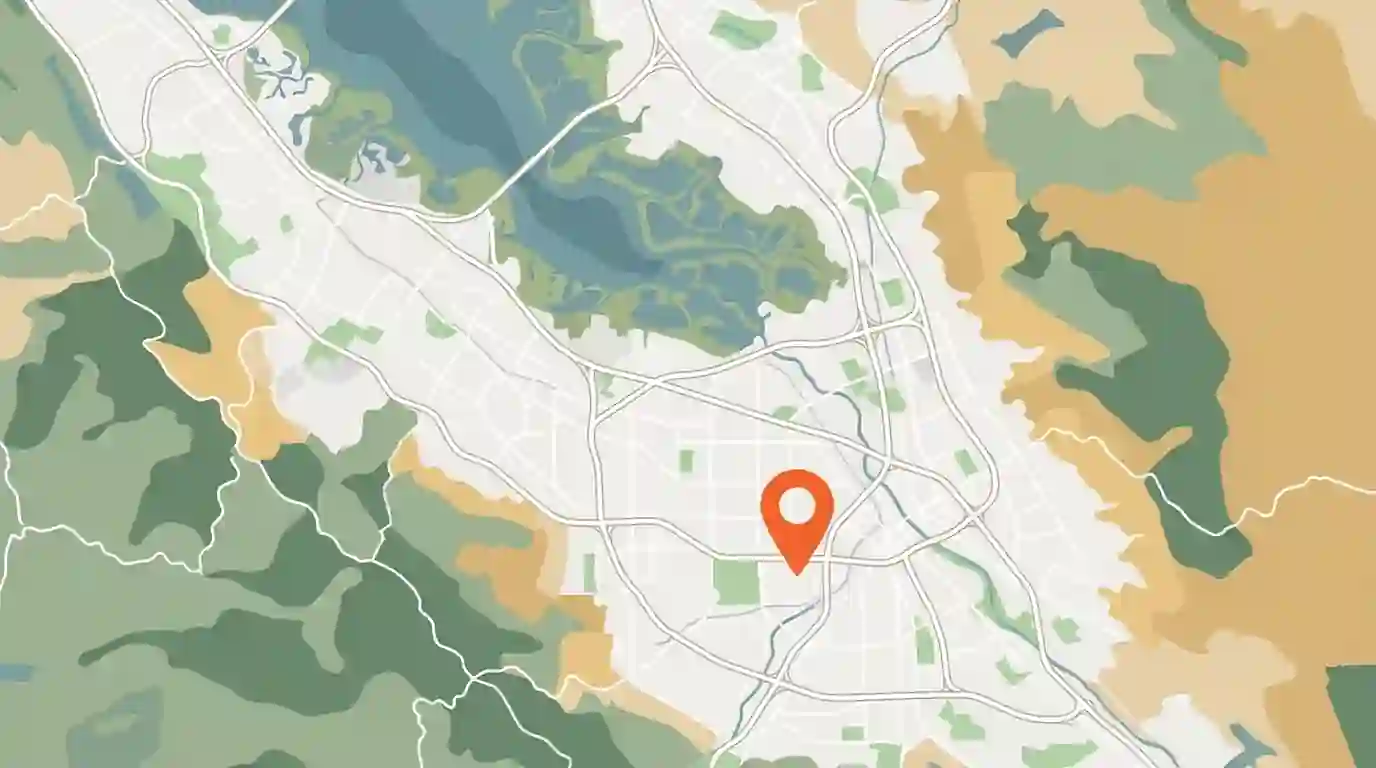
- Argentine ants. Supercolonies run valley-wide year-round with no seasonal break, so the population pressing at your foundation is permanent.
- Roof rats. The most abundant rodent pest in Santa Clara County, breeding through winters mild enough that nothing resets the population.
- Spiders and occasional invaders. Both follow the insect supply, which the first two keep topped up.
Against standing pressure like that, a one-off treatment buys weeks. The arithmetic is simple: if you are calling three or four times a year for the same recurring problem, a scheduled plan costs less and holds better, because the residual never fully lapses between visits.
When a plan is the wrong purchase
Plenty of pest problems are events, not conditions. A yellow jacket nest over a doorway, a spider flare-up in a garage after a dry spell, a mouse that got in during a remodel, a pantry moth infestation that came home in a bag of flour. Each has a clear trigger and a real end, and a single corrective visit plus a follow-up closes it.
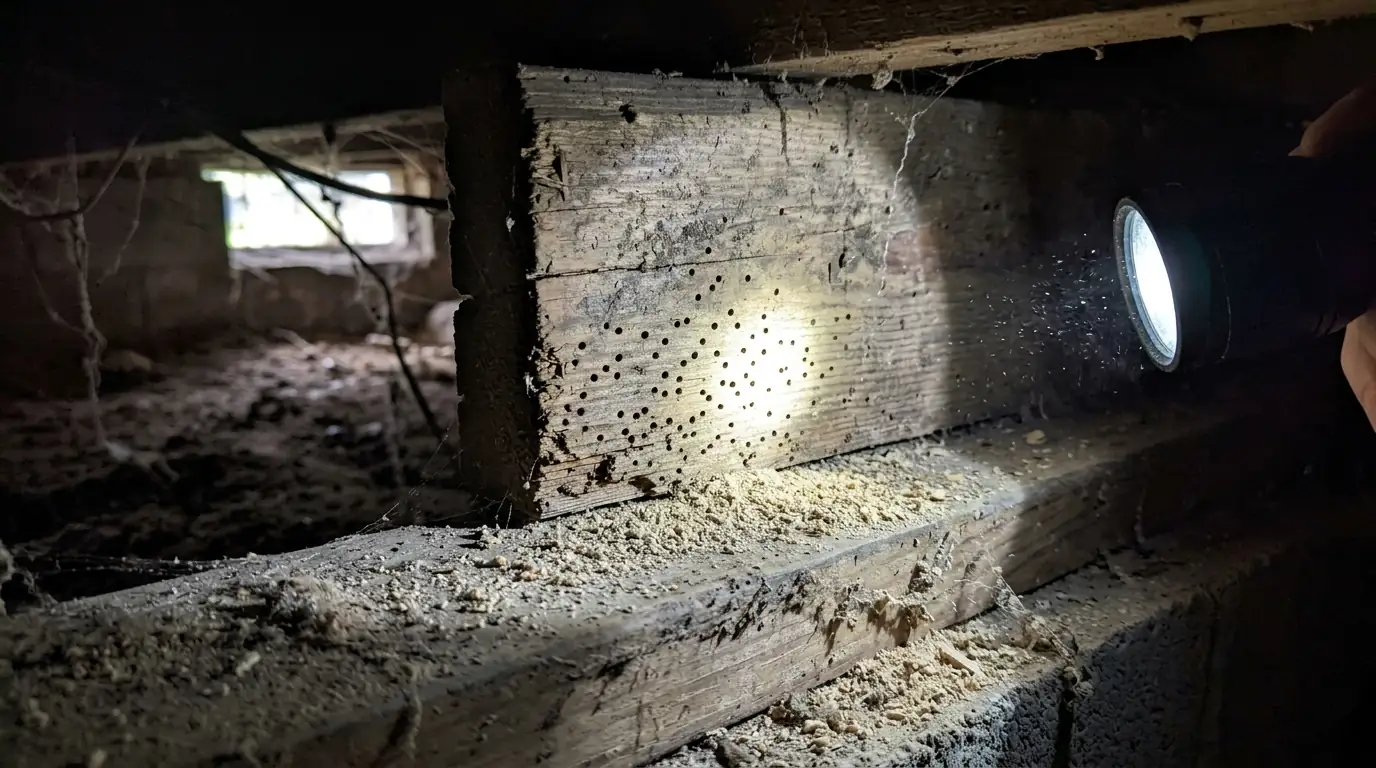
Termite work is its own category and never belongs inside a general pest plan. So is wildlife removal. If a plan is pitched as covering termites, ask exactly what that means, because a quarterly exterior visit does not inspect a crawl space.
The maths, roughly
Compare annual totals rather than per-visit prices. Four scheduled visits a year against three emergency calls for the same recurring ant problem usually lands close, with the plan ahead once you count the visits you did not have to make because the pressure never built.
Where plans clearly lose is on properties with genuinely low pressure. An interior lot with minimal landscaping, no fruit trees, no open space nearby and one pest call every two years does not need four visits a year, and we will say so rather than taking the booking.
What to ask before you sign anything
Five questions worth asking any company
- Is there a contract or cancellation fee, or can you stop whenever you want?
- Does the plan cover re-service between visits at no extra charge?
- What exactly is treated on each visit, and does the technician need to come inside?
- Which pests are covered and which are explicitly not, such as termites and wildlife?
- Is the price per visit or billed annually in advance?
The answers tell you a lot. A plan that only holds because of a contract is not a plan worth having, and free re-service between visits is the main practical difference between a program and four separate service calls priced as a bundle.
What the visits should actually include
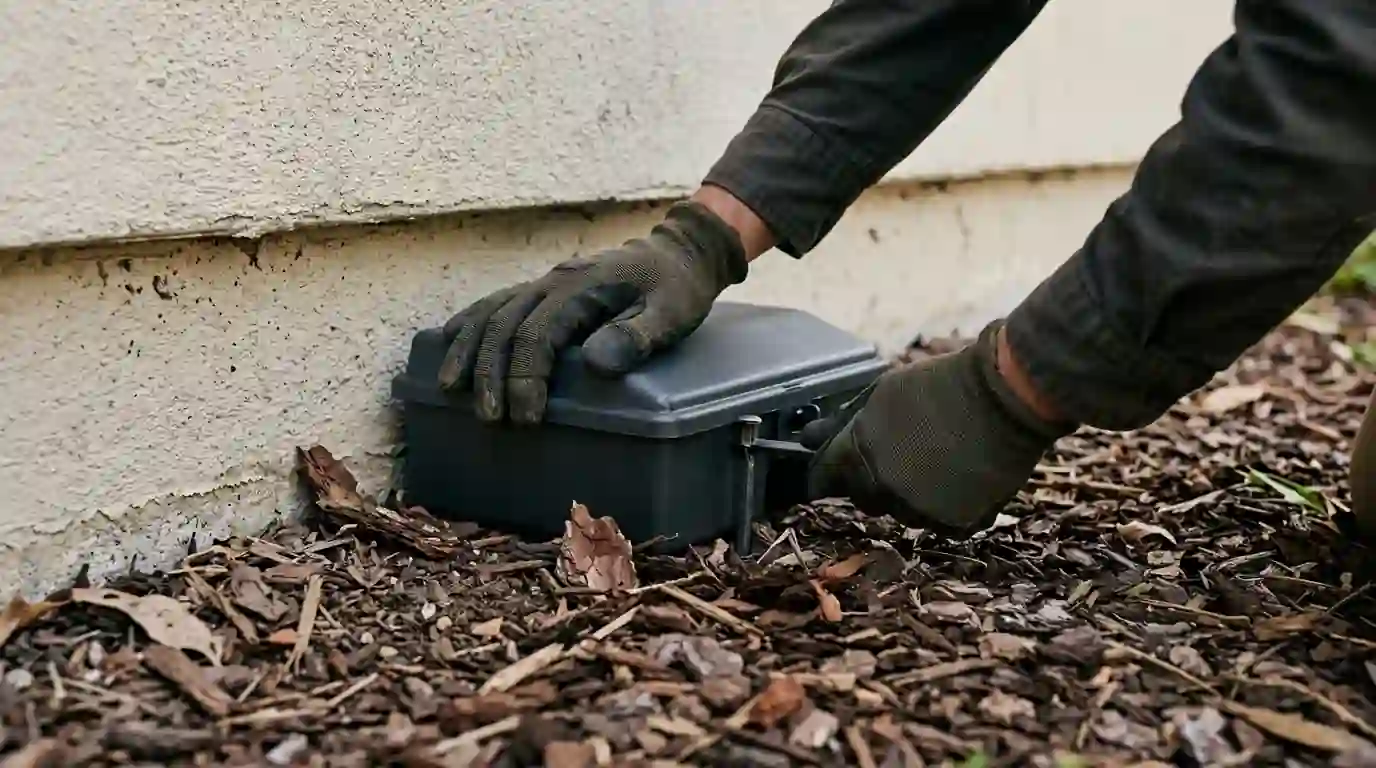
A scheduled visit that only sprays a strip of lawn is not worth paying for four times a year. The work that keeps pests out is on the exterior and at the junctions: a full perimeter band, an eave and soffit sweep that clears webbing and nests, door and window frames, utility penetrations, and a look at the harborage points, woodpiles, meter boxes, irrigation valve boxes and trash enclosures.
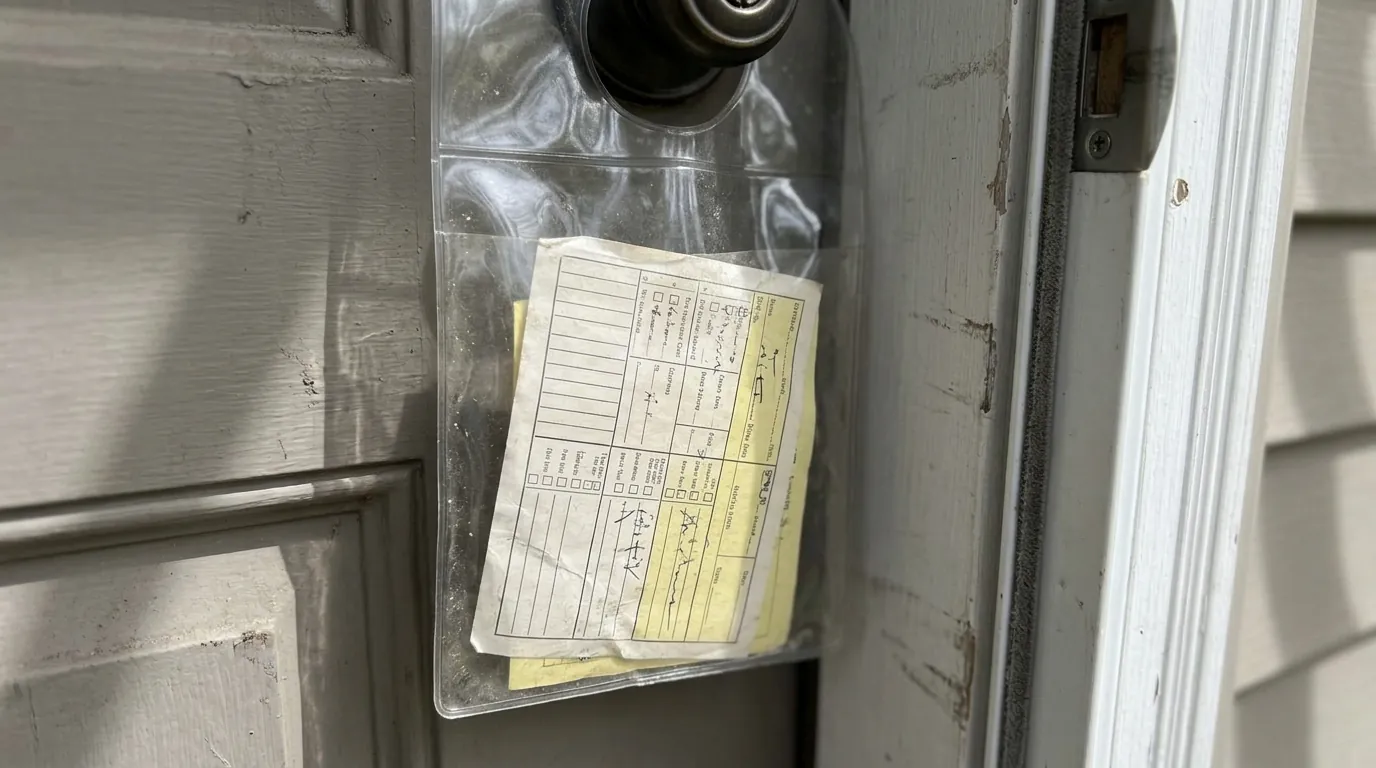
Interior treatment should be available on request rather than assumed, which is useful if you are out during the day. And every visit should leave a written note of what was found and what was done, because that record is how you judge whether the plan is earning its keep after a year.
Quarterly or bi-monthly
Quarterly suits most suburban lots. Bi-monthly, six visits a year, makes sense where pressure is heavier: homes backing onto creeks or open space, lots with mature fruit trees and dense canopy, or any property where activity consistently reappears in the last few weeks before the next quarterly visit.
That is a decision worth making from the service history rather than at signup. Plenty of properties start bi-monthly after an infestation and step down to quarterly once the pressure settles, which is the right direction for the cost to move.