German cockroaches
Restaurant kitchens and older attached buildings keep pressure moving.
Coverage
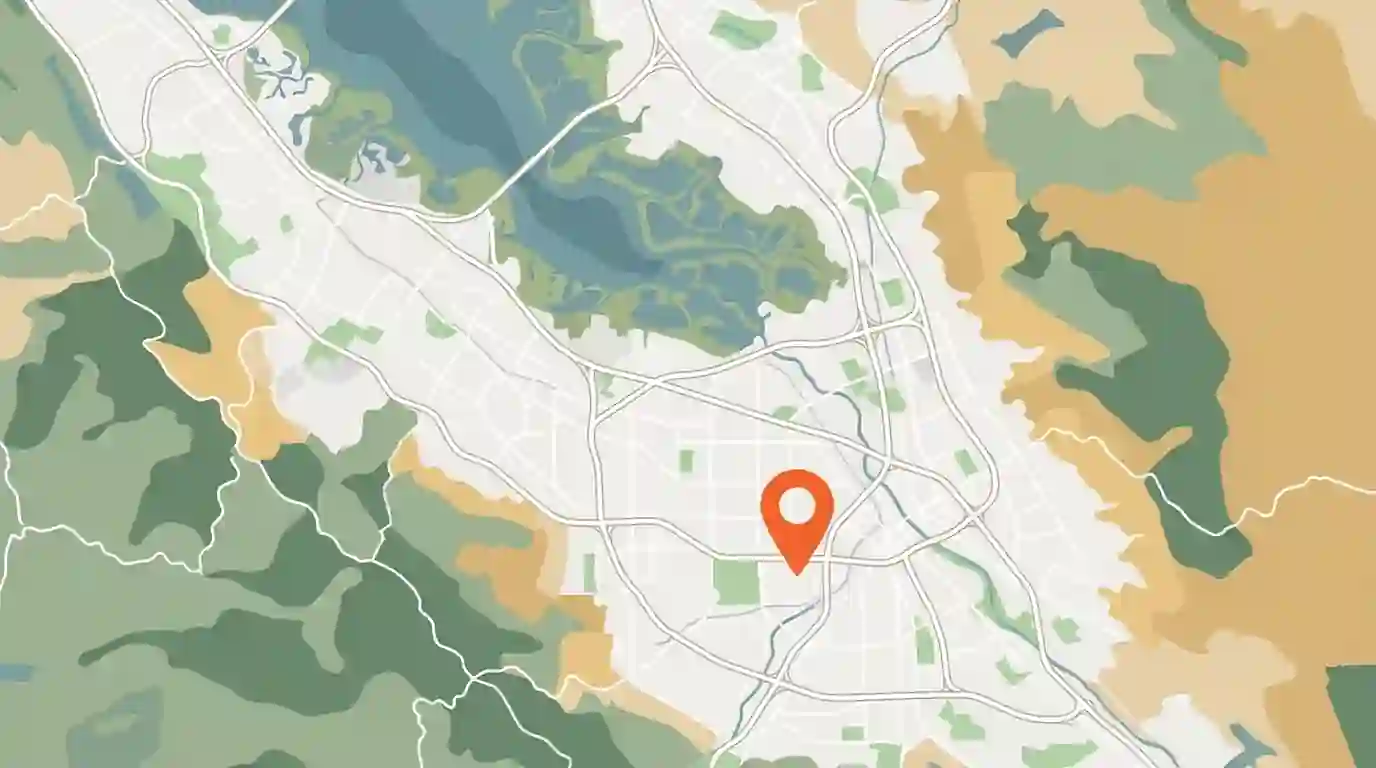
Japantown is one of the oldest built-up parts of the city, and the mix of historic homes and working restaurant kitchens produces both halves of this trade on the same block.
Local focus
Short answer
Pest control in Japantown runs on the same catalog we use across the Bay Area, with the emphasis set by what this area actually produces: German cockroaches, subterranean termites and the conditions behind them. Phones are answered around the clock and crews route out from the San Jose service office.
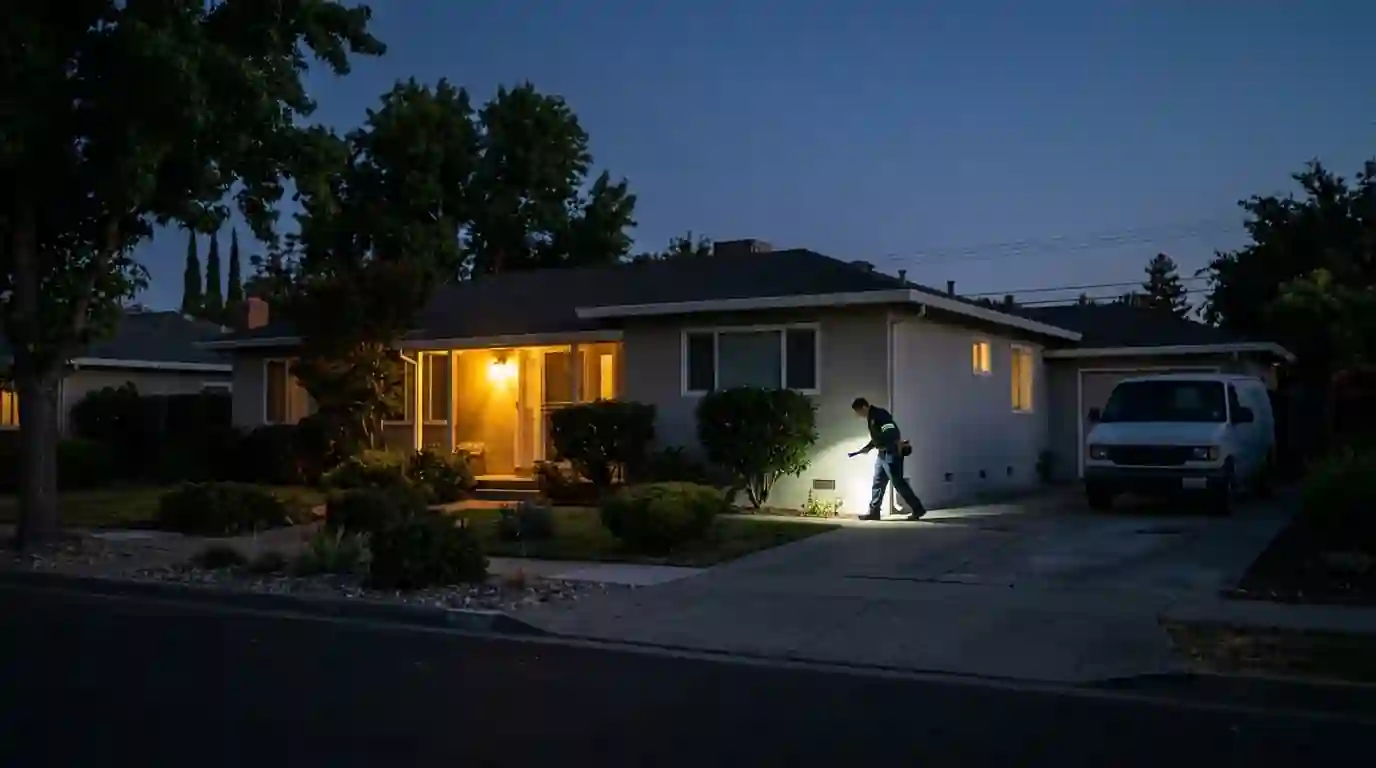
The housing stock here is old enough that subterranean termite findings are routine, with original framing close to soil and crawl spaces that have been accessible for decades. Carpenter ants show up in the same damp-framed buildings.
The commercial side brings different work. Restaurant kitchens, shared service alleys and older brick and timber buildings give German and American cockroaches more routes than a suburban house has, which is why that work runs on a schedule rather than a single visit.
What we see here
Restaurant kitchens and older attached buildings keep pressure moving.
Original framing close to soil under older raised foundations.
Floor drains, service alleys and basements provide the traffic routes.
Older rooflines and aging vents, with alley food sources close by.
On the ground
Crews run out of the San Jose service office, and routing is built around the day rather than a fixed territory, so a wasp nest or a biting-pest call gets moved up regardless of which part of the coverage area it sits in. Inspections and scheduled service book within a few days.
Coverage here takes in the historic blocks around Jackson Street, the restaurant corridor and the older residential streets behind it. If you are just outside what is listed, call anyway and we will tell you plainly whether we can route to you rather than taking a booking we cannot keep.
Local detail
A kitchen here needs service before opening or after close, drain work on a schedule, monitoring that produces counts rather than impressions, and documentation an inspector can read.
Where apartments sit above a kitchen, the two have to line up: treating one without the other just moves the population up or down a floor.
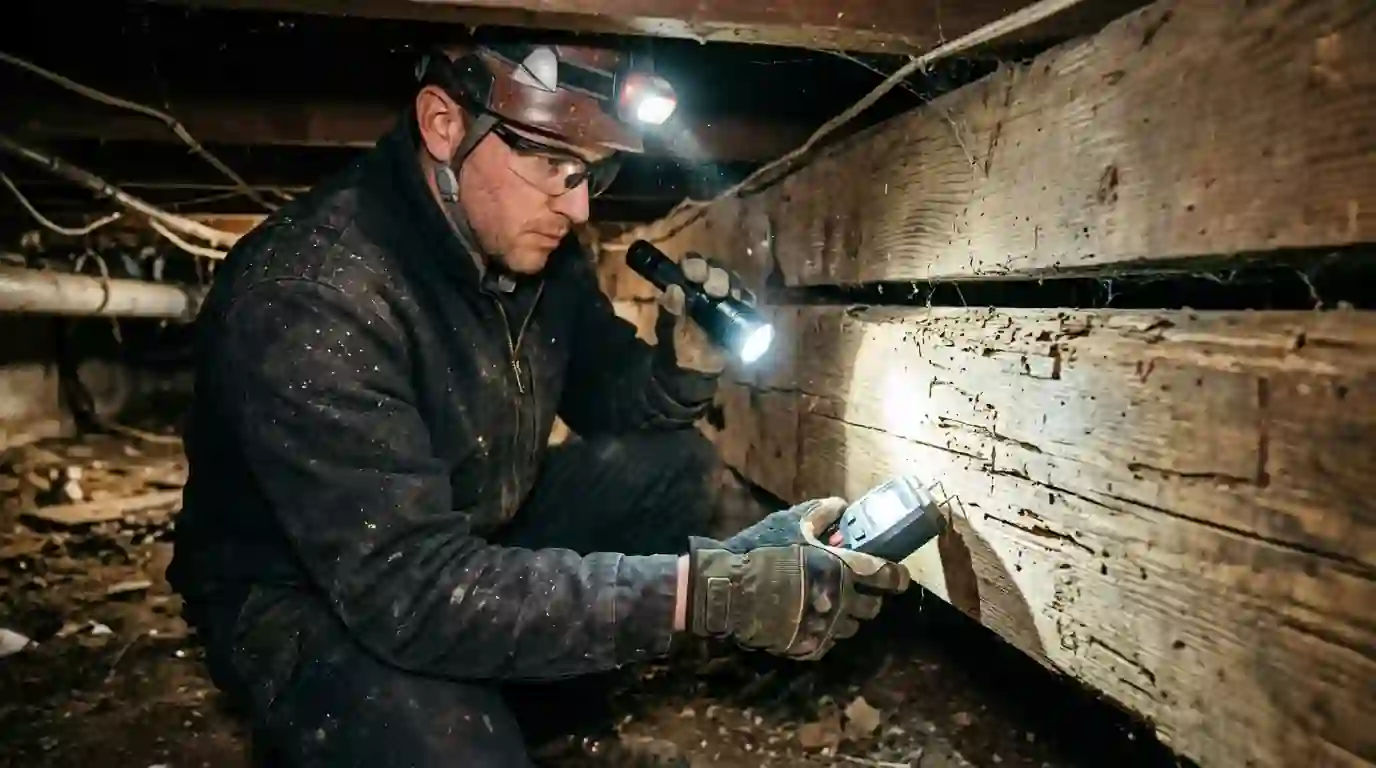
Older buildings change how an inspection runs. Original framing is dense, additions are common and clearances are short, so probing and sounding matter more than a visual walk-through, and most of what is worth finding sits under the floor or in the attic. On the commercial side the same age shows up as gaps around service doors, drains and shared walls.
Straight answers
Yes, and in this part of the city that is usually the only workable option. Pre-opening, after close and overnight service is standard.
Framing close to soil under a raised foundation is the classic setup, so a first inspection often finds something nobody suspected.
Usually not. American roaches come from drains and sewer connections; the fix is finding the route and sealing it rather than baiting a kitchen.
Local treatment is drilled and injected into galleries, and access on finished surfaces is discussed before anything happens.
One number, answered around the clock, and a written note on what was found.
Call (669) 369-0489 any hourWhere to find us