Ground squirrels
Burrow systems on slopes, retaining walls and the open-ground boundary.
Coverage
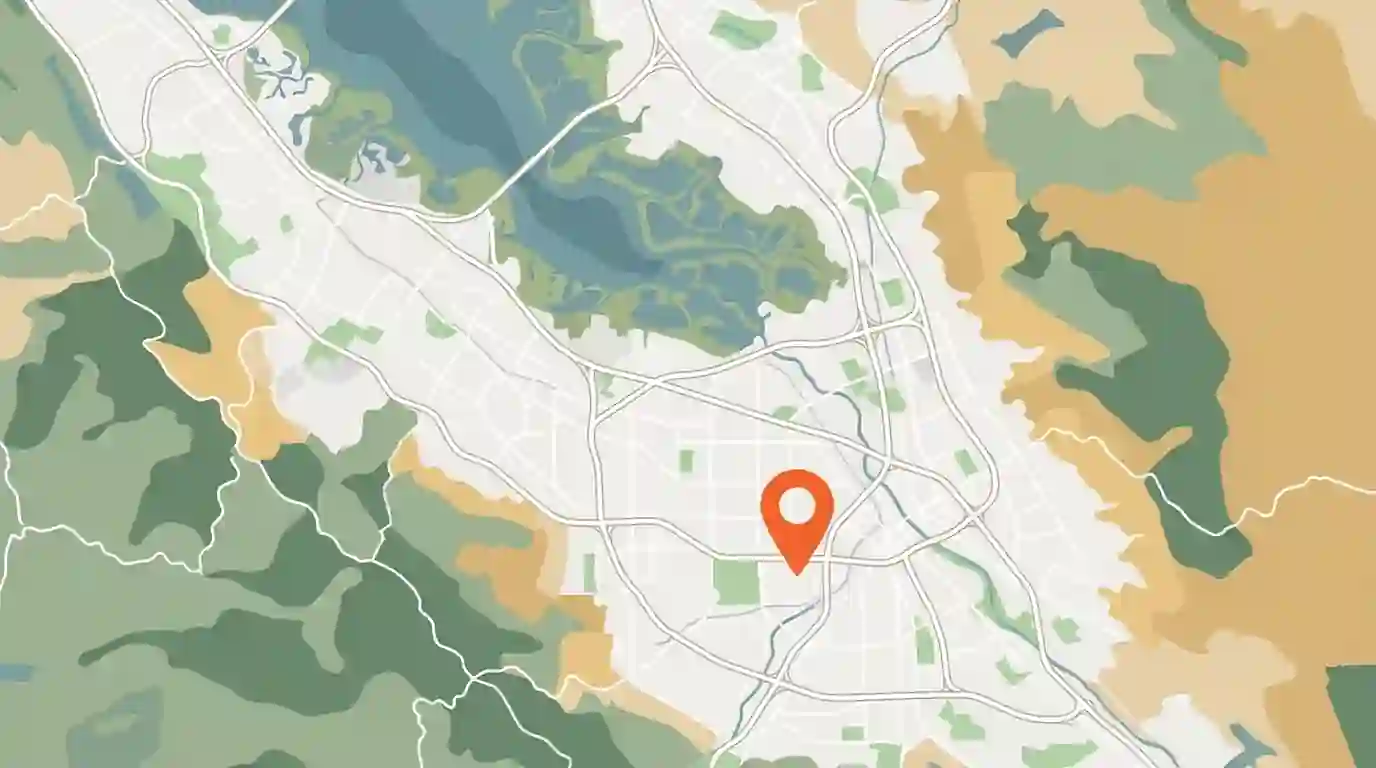
Silver Creek runs from newer valley-floor housing up into the hills, and that climb changes the call sheet street by street.
Local focus
Short answer
Pest control in Silver Creek runs on the same catalog we use across the Bay Area, with the emphasis set by what this area actually produces: ground squirrels, roof rats and the conditions behind them. Phones are answered around the clock and crews route out from the San Jose service office.
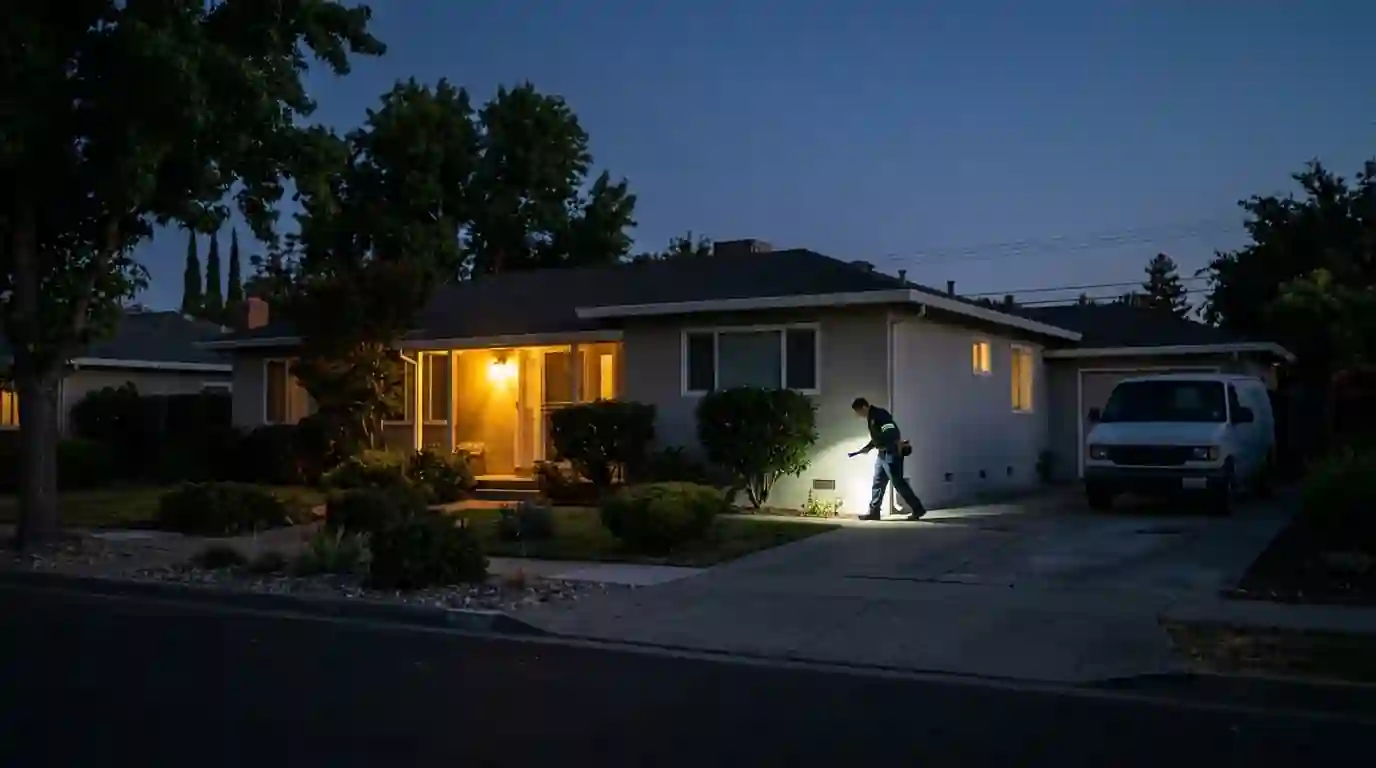
The tract and custom housing here is younger than the old San Jose neighborhoods, so structural termite work is lighter. What comes instead is exterior pressure: ant trails from irrigated landscaping, rodents at garage doors and vents, and spiders in garages and eaves.
The hillside streets and the lots backing onto open ground are a different job. Ground squirrels work the slopes, wildlife moves along fence lines after dark, and dry summer grass pushes rodents toward anything watered.
What we see here
Burrow systems on slopes, retaining walls and the open-ground boundary.
Garage doors, vents and rooflines, with pressure rising as hillside grass dries out.
Irrigated landscaping against foundations keeps trails running year-round.
Skunks, raccoons and opossums working fence lines from the open space.
On the ground
Crews run out of the San Jose service office, and routing is built around the day rather than a fixed territory, so a wasp nest or a biting-pest call gets moved up regardless of which part of the coverage area it sits in. Inspections and scheduled service book within a few days.
Coverage here takes in the hillside streets above the golf course, the newer valley-floor tracts and the lots backing onto open ground. If you are just outside what is listed, call anyway and we will tell you plainly whether we can route to you rather than taking a booking we cannot keep.
Local detail
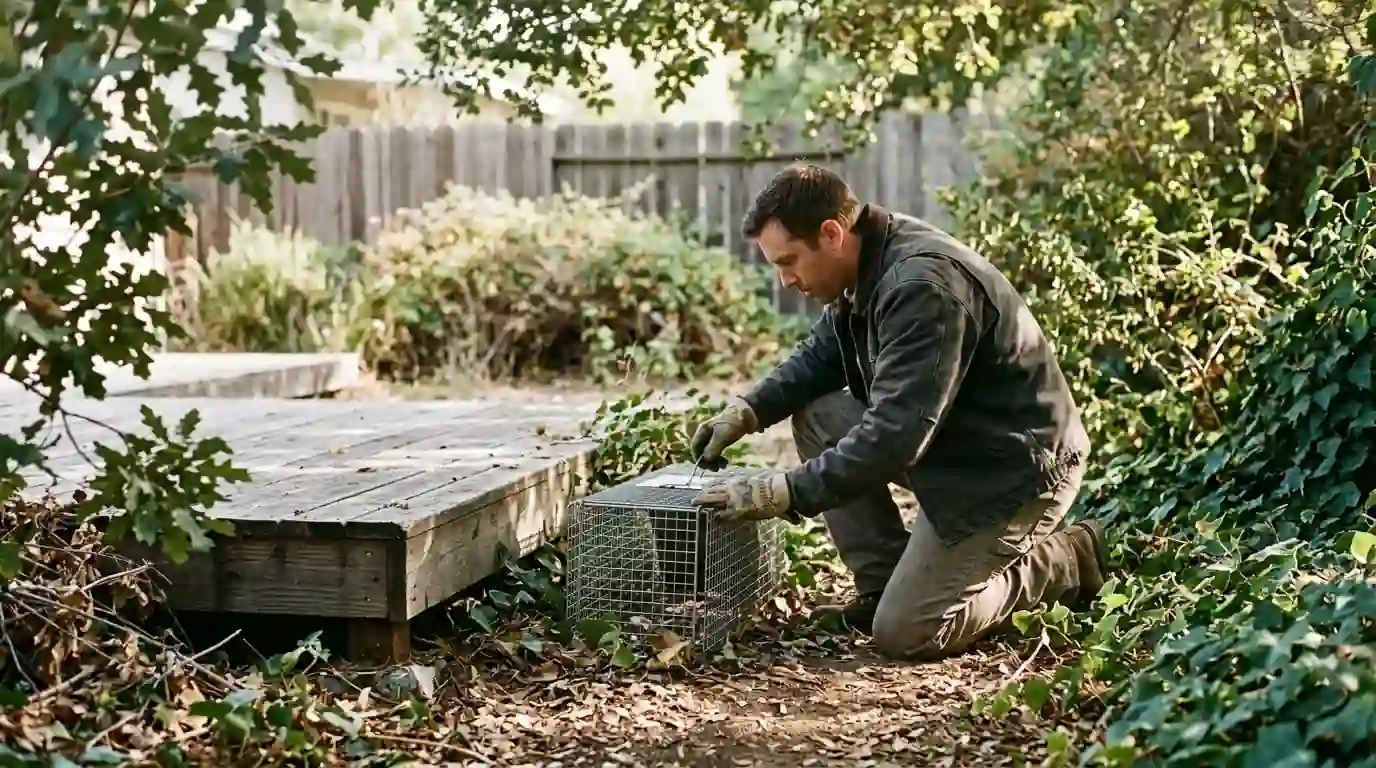
On hillside lots the burrows that matter are the ones under retaining walls, slabs, patios and footings, not the ones in the middle of a lawn. Those remove supporting soil and winter water follows the voids.
We map and prioritize those on the first visit, which is also why quotes on slope properties follow a site walk rather than a phone estimate.
The boundary is what matters on these lots. Burrowing colonies and wildlife live on land nobody treats, so a single visit resets a clock rather than ending anything. Properties that stay comfortable here are the ones with sealed structures, a cleared buffer between wild growth and usable yard, and checks timed to the seasons instead of one treatment a year.
Straight answers
The hillside grass dries out and everything living in it moves toward irrigated yards. The lots closest to open ground feel that shift first.
They can be. Chambers under walls, slabs and footings take away supporting soil, and the first wet winter shows it.
Newer slab construction sees less subterranean damage but is not exempt; entry moves to plumbing penetrations and expansion joints.
Yes, with removal timed around any young and the den closed afterward so the vacancy does not refill.
One number, answered around the clock, and a written note on what was found.
Call (669) 369-0489 any hourWhere to find us